Retrato de François Perrier

Pinturas de François Perrier: As 11 mais famosas, sob o olhar de uma galeria

Atualizado em Novembro 2026 · classificado pela nossa pontuação de popularidade (pesquisas, visitas e pedidos de cada obra) · 11 obras de François Perrier em nosso catálogo

Em resumo

Aos olhos da galeria, a pintura mais famosa de François Perrier é Orpheus before Pluto and Proserpine (1625). The Beheading of Saint John the Baptist (1625) e Acis and Galathea (1627) completam o trio que todos reconhecem. Dos 11 trabalhos de François Perrier em nosso catálogo, a galeria apresenta abaixo as 11 obras mais famosas, cada uma original, com seu ano, seu museu e o que a torna única.

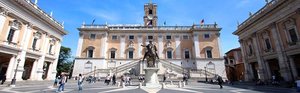
1594 – 1649, Pontarlier Baroque Mais obras: Museus Capitolinos

As 10 principais pinturas de François Perrier na galeria

1
Orpheus before Pluto and Proserpine (1625) de François Perrier

Orpheus before Pluto and Proserpine

1625 · Oil On Canvas

Orpheus before Pluto and Proserpine is an oil on canvas painting by the French artist François Perrier. The work was executed during the second quarter of the seventeenth century, specifically about 1647 to 1650. The composition depicts a scene inspired by the mythological narratives found in Ovid's Metamorphoses.

2
The Beheading of Saint John the Baptist (1625) de François Perrier

The Beheading of Saint John the Baptist

1625 · Oil · Kedleston Hall

The scene unfolds within a classical architectural setting, where deep shadows define the boundaries of the space. A muscular executioner occupies the left side of the frame, his body angled in a downward diagonal movement toward the center. He holds a blade, positioned to strike the kneeling figure of Saint John the Baptist. The saint is depicted with pale skin, his posture slumped in a manner that suggests heavy, tragic…

3
Acis and Galathea (1627) de François Perrier

Acis and Galathea

1627 · Oil On Canvas · Statens Museum For Kunst, Copenhague

Acis and Galathea, painted by François Perrier in 1627, draws its narrative from the traditions of Greek mythology. The composition centers on the relationship between the mortal Acis and the Nereid Galathea. These figures inhabit a seascape, a setting central to the mythological cycle involving the sea-nymph and her lover.

4
Polyphemus and the Sea Nymphs (1640) de François Perrier

Polyphemus and the Sea Nymphs

1640 · Oil On Canvas

A massive, muscular figure anchors the scene, seated upon a craggy, ochre-colored ledge. This is Polyphemus, the Cyclops, his skin pale against the dark, shadowed crevices of the rocks. He holds a panpipe to his lips, his expression caught between deep concentration and a heavy, lingering melancholy. Around his feet, the sea churns in white foam, a turbulent contrast to the stillness of his posture. The water rises to meet…

5
Moses draws water from the Rock (1642) de François Perrier

Moses draws water from the Rock

1642 · Oil On Canvas · Museus Capitolinos, Roma

In this 1642 oil on canvas, we find ourselves witnessing a moment of profound tension and sudden relief. The scene captures the biblical narrative of Moses striking a rock to provide water for his people, a moment where the physical desperation of the crowd meets the spiritual authority of their leader. On the left, a massive, dark rocky overhang dominates the composition, its heavy, textured surface acting as a rugged…

6
Adoration of the Golden Calf (1642) de François Perrier

Adoration of the Golden Calf

1642 · Oil · Museus Capitolinos, Roma

In Adoration of the Golden Calf, François Perrier organizes a vast landscape to frame this biblical scene of idolatry. The composition is expansive, guiding the viewer through a space that transitions from dense, dark foliage on the left toward an open, mountainous vista on the right. This movement creates a sense of rhythmic chaos, mirroring the themes of temptation and pagan ritual. The perspective draws the eye from the detailed…

7
Aeneas and the Cumaean Sibyl. (1646) de François Perrier

Aeneas and the Cumaean Sibyl.

1646 · Oil · Museu Nacional de Varsóvia, Varsóvia

In this 1646 oil painting, a scene from classical mythology unfolds through a dynamic arrangement of figures set against a mountainous landscape. The composition directs the eye from a dense group of soldiers on the left toward a central figure in golden Roman-style armor. This noble man gestures toward a ritual site, his form illuminated by a strong, directional light. To the far right, a female figure draped in white…

8
Bacchus and Ariadne (1648) de François Perrier

Bacchus and Ariadne

1648 · Oil On Canvas · Blanton Museum of Art

The oil on canvas titled Bacchus and Ariadne was executed by the French artist François Perrier. This work emerged from his brush circa 1647-50. It captures a moment of divine intersection through the medium of oil, where pigment meets the woven texture of the canvas to define the figures of the god and the princess.

Pinturas de François Perrier, classificadas de 11 a 11

Os temas que cativaram o olhar de François Perrier

Os quatro temas que mais se repetem nestas obras originais, cada um com o seu melhor exemplo.

Os museus que guardam os originais de François Perrier

Os 7 museus que detêm a maioria das pinturas desta página.

Museus Cidade Obras de François Perrier Pinturas desta lista
Museus Capitolinos, RomaMuseus Capitolinos Roma 2 Moses draws water from the Rock, Adoration of the Golden Calf
Museu do Louvre, ParisMuseu do Louvre Paris 2 Aeneas and his Companions Fighting the Harpies, Acis, Galatea, and Polyphemus
Kedleston HallKedleston Hall 1 The Beheading of Saint John the Baptist
Statens Museum For Kunst, CopenhagueStatens Museum For Kunst Copenhague 1 Acis and Galathea
Museu Nacional de Varsóvia, VarsóviaMuseu Nacional de Varsóvia Varsóvia 1 Aeneas and the Cumaean Sibyl.
Blanton Museum of ArtBlanton Museum of Art 1 Bacchus and Ariadne
Musée des Beaux-Arts de Dijon, DijonMusée des Beaux-Arts de Dijon Dijon 1 The Sacrifice of Iphigenia

François Perrier, uma pintura emblemática por década

Obras por década

Escolha uma década para ver a obra original que a define.

Pinturas de François Perrier: a galeria responde

Qual pintura de François Perrier é a mais famosa de todas?Revelar a resposta

Orpheus before Pluto and Proserpine (1625). The Beheading of Saint John the Baptist (1625) e Acis and Galathea (1627) vêm a seguir.

Qual era a idade de François Perrier ao concluir Orpheus before Pluto and Proserpine?Revelar a resposta

31 anos: Orpheus before Pluto and Proserpine data de 1625, e François Perrier nasceu em 1594.

Quais são as 10 principais pinturas de François Perrier?Revelar a resposta

Orpheus before Pluto and Proserpine, The Beheading of Saint John the Baptist, Acis and Galathea, Polyphemus and the Sea Nymphs, Moses draws water from the Rock, Adoration of the Golden Calf, Aeneas and the Cumaean Sibyl., Bacchus and Ariadne, The Sacrifice of Iphigenia e Aeneas and his Companions Fighting the Harpies. O ranking acima apresenta o ano e o museu de cada uma.

Quantas obras François Perrier criou?Revelar a resposta

Nosso catálogo contém 11 obras de François Perrier, datadas de 1625 a 1648.

Onde estão expostos os originais mais famosos de François Perrier?Revelar a resposta

Principalmente em Museus Capitolinos (Roma), Museu do Louvre (Paris) e Kedleston Hall. A tabela de museus acima lista todos eles.

Quando é que François Perrier criou as suas pinturas mais famosas?Revelar a resposta

Em 1640s: 7 das 11 obras nesta página foram feitas então, sendo Polyphemus and the Sea Nymphs delas.

Quais são as obras mais famosas de François Perrier no início e no fim de sua carreira?Revelar a resposta

Nesta página, a mais antiga é Orpheus before Pluto and Proserpine (1625) e a mais recente é Bacchus and Ariadne (1648).

Quais temas François Perrier mais explorou?Revelar a resposta

Woman (6), Man (5) e Sky (5), entre as 11 obras nesta página.

Em qual técnica François Perrier mais trabalhou?Revelar a resposta

Oil On Canvas, para 7 das 11 obras nesta página.

Com qual movimento François Perrier está associado(a)?Revelar a resposta

Baroque, a julgar pelos originais nesta página.

Quais obras originais de François Perrier o Museus Capitolinos possui?Revelar a resposta

Moses draws water from the Rock e Adoration of the Golden Calf: o Museus Capitolinos, Roma detém 2 das obras desta página.

François Perrier: o artista

O Arquiteto do Barroco Romano na França

François Perrier destaca-se como uma figura fundamental no cenário artístico francês do século XVII, um homem a quem se atribui a importação da grandiosidade deslumbrante e da energia dinâmica do Barroco romano para o coração dos ateliers parisienses. Nascido em Pontarlier, os seus primeiros anos foram imersos nas correntes intelectuais do humanismo e na redescoberta da antiguidade clássica. A sua formação na escola de Fontainebleau, onde absorveu os meticulosos preceitos estilísticos de artistas como Francesco Francia e Jean Fouquet, proporcionou-lhe uma base de precisão manierista. Esta exposição precoce ao detalhe refinado e ao pigmento expressivo serviria mais tarde como o andaime essencial sobre o qual construiu o seu estilo mais expansivo e dramático.

Uma Peregrinação Romana e a Evolução Estilística

A verdadeira metamorfose da arte de François Perrier ocorreu durante a sua jornada transformadora a Roma, entre 1620 e 1625. Esta peregrinação permitiu-lhe encontrar o epicentro da inovação artística, onde a influência de Giovanni Lanfranco se tornou um profundo catalisador para o seu desenvolvimento. Ao absorver os princípios do classicismo barroco académico, Perrier começou a afastar-se das rigidezes do Maneirismo em direção a uma abordagem definida por formas idealizadas e composições harmoniosas, mas profundamente emocionais. A sua obra começou a pulsar com a teatralidade característica da época, utilizando o chiaroscuro — o jogo dramático entre luz e sombra — para esculpir figuras e intensificar a tensão psicológica dentro das suas narrativas.

O Legado Duradouro da Linha e da Luz

Embora as suas telas tenham capturado a imaginação, o legado de François Perrier como desenhista meticuloso e gravador permanece igualmente monumental. Ele possuía uma capacidade singular de traduzir o peso e a graça das esculturas antigas para o meio da gravura, criando coleções inovadoras que serviram como repertórios visuais para gerações de artistas europeus. As suas gravuras baseadas em modelos clássicos proporcionaram uma ponte essencial entre a antiguidade e o florescente movimento Barroco.

Esta mestria tanto do pincel quanto do buril é, talvez, mais vividamente realizada nas suas obras mitológicas, como “Acis, Galatea e Polifemo” (1645). Nesta obra-prima, François Perrier alcança um mergulho visceral no drama, onde paisagens rústicas e paletas intensamente emocionais convergem para contar uma história de vulnerabilidade e ameaça iminente. Através do seu domínio dual da pintura e da gravura, François Perrier garantiu que o espírito do Barroco romano deixasse para sempre a sua marca na alma francesa.