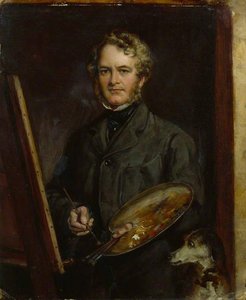
Retrato de Sir Francis Grant

As 100 Pinturas Mais Famosas de Sir Francis Grant, Cada Uma Única

Atualizado em Novembro 2026 · classificado pela nossa pontuação de popularidade (pesquisas, visitas e pedidos de cada obra) · 269 obras de Sir Francis Grant em nosso catálogo

Em resumo

Lieutenant General Sir George Pollock (1856) é a pintura de Sir Francis Grant que mais atrai olhares; a obra original pertence ao British Library, Londres. Depois disso, o olhar recai sobre Henry Edward Colville, Viscount Colville of Culross (1870) e John Hume Egerton, Viscount Alford (1851). Entre as 269 obras de Sir Francis Grant em nosso catálogo, estas 100 são as mais famosas, cada uma uma original única apresentada com o seu ano, o seu museu e a razão pela qual perdura.

1803 – 1878, Perth and Kinross Academic realism Mais obras: Royal Collection

As 10 principais pinturas de Sir Francis Grant, sob o olhar da galeria

1
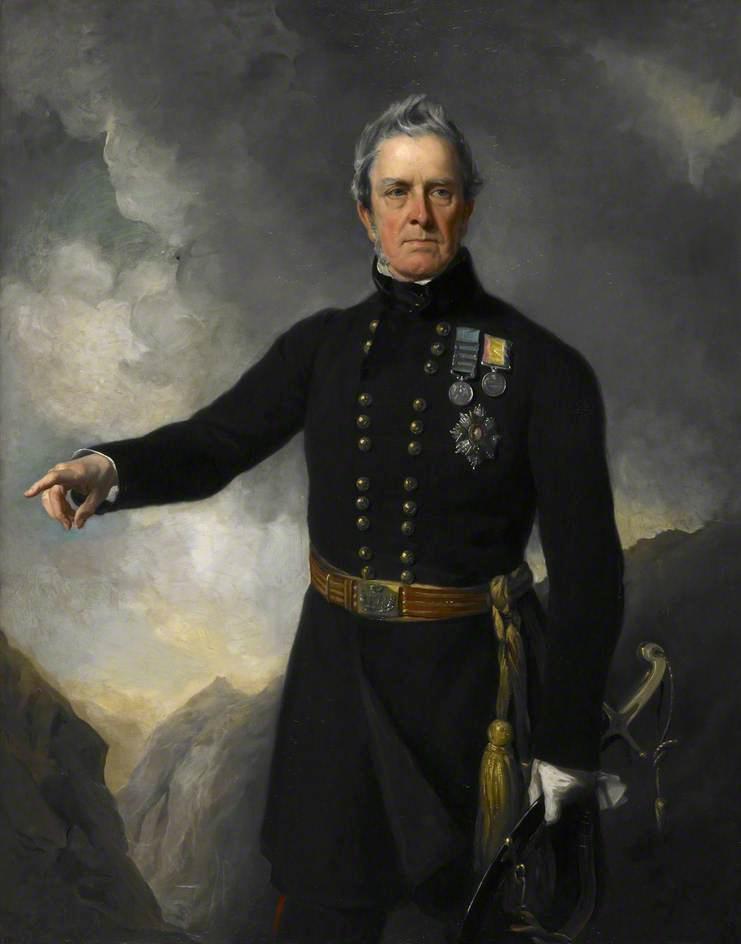
Lieutenant General Sir George Pollock (1856) de Sir Francis Grant

Lieutenant General Sir George Pollock

1856 · Oil On Canvas · British Library, Londres

In this 1856 portrait, we find ourselves in the presence of Lieutenant General Sir George Pollock, captured at the height of his military career. The subject is presented in a traditional three-quarter pose, his body angled slightly away while his gaze remains fixed and resolute. There is a quiet gravity to his posture, a sense of a man accustomed to the weight of responsibility. He is set against a landscape…

2
Henry Edward Colville, Viscount Colville of Culross (1870) de Sir Francis Grant

Henry Edward Colville, Viscount Colville of Culross

1870

This captivating portrait by Sir Francis Grant, painted in 1870, offers a fascinating window into the life and status of Henry Edward Colville, Viscount Colville of Culross. More than just a likeness, it's a carefully constructed image reflecting Victorian ideals of nobility, leisure, and societal standing. The artwork provides an intimate yet formal depiction of a prominent figure within British high society, inviting viewers to contemplate the nuances of his…

3
John Hume Egerton, Viscount Alford (1851) de Sir Francis Grant

John Hume Egerton, Viscount Alford

1851 · Oil On Canvas · Belton House, Grantham

The air feels still around John Hume Egerton, Viscount Alford, as he stands amidst the quietude of the English countryside. He is captured in a moment of poised composure, his gaze meeting the viewer with a steady, quiet confidence. Beside him, a massive oak tree rises, its textured bark and sprawling branches anchoring the scene. The tree reaches upward, its organic curves providing a soft contrast to the straight, dignified…

4
John Hume Egerton de Sir Francis Grant

John Hume Egerton

Oil On Canvas

This oil on canvas portrait depicts John Hume Egerton, Viscount Alford. The subject is rendered by the artist Francis Grant. The work is dated about 1851. The painting captures the likeness of the man who served as an English Tory Member of Parliament and a landowner.

5
Jew Rabbi (1824) de Sir Francis Grant

Jew Rabbi

1824 · Oil On Canvas

In this intimate portrait, titled Jew Rabbi, Francis Grant turns his attention toward a singular, dignified figure. Painted about 1824, the work presents an elderly Jewish Rabbi, capturing a moment of quietude and profound presence. Grant, who would later become a central figure in the British art establishment, demonstrates an early ability to handle the nuances of character through a focused, somber lens.

6
Queen Victoria with Victoria, Princess Royal, and Albert Edward, Prince of Wales (1842) de Sir Francis Grant

Queen Victoria with Victoria, Princess Royal, and Albert Edward, Prince of Wales

1842 · Oil On Canvas · Royal Collection, Londres

In Francis Grant's Queen Victoria with Victoria, Princess Royal, and Albert Edward, Prince of Wales, a sense of quiet domesticity meets royal dignity within a vertical group portrait. The Queen sits at the heart of the scene, her presence anchoring the arrangement. She holds the young Princess Royal upon her lap, while the Prince of Wales stands close by her side. This arrangement creates a tight, intimate triangle of family…

7
Victoria, Princess Royal (1840-1901) and Albert Edward, Prince of Wales (1841-1910) (1842) de Sir Francis Grant

Victoria, Princess Royal (1840-1901) and Albert Edward, Prince of Wales (1841-1910)

1842 · Oil On Canvas · Royal Collection, Londres

In this intimate oil portrait from 1842, we find ourselves invited into a private, quiet corner of the British monarchy. The scene depicts two young children, Victoria, Princess Royal, and her brother, Albert Edward, Prince of Wales, engaged in a moment of innocent play. There is a profound sense of domestic tranquility here, a departure from the formal, stiff portraiture often associated with the era. Instead, the composition centers on…

8
Queen Victoria (1819-1901) on Horseback (1845) de Sir Francis Grant

Queen Victoria (1819-1901) on Horseback

1845 · Oil On Canvas · Royal Collection, Londres

A young Queen Victoria sits with poised dignity atop a powerful chestnut horse, her figure positioned slightly left of center to create a sense of forward momentum. The composition is dominated by the equestrian subject, framed by the textured bark of a large tree to the left and a receding line of cavalry soldiers in the background. Under a cloudy, atmospheric sky, the scene captures a moment of ceremonial stillness.…

9
Prince Albert (1819-61) (1845) de Sir Francis Grant

Prince Albert (1819-61)

1845 · Oil On Canvas · Royal Collection, Londres

The portrait titled Prince Albert (1819-61) captures a singular moment of presence. Created by Francis Grant in 1845, the work focuses on the figure of Prince Albert. The subject is rendered with a quiet, steady weight that anchors the composition. It is a study of a man defined by his station and the stillness of his gaze.

10
Henry Byng (1831-1899), later 4th Earl of Strafford (1840) de Sir Francis Grant

Henry Byng (1831-1899), later 4th Earl of Strafford

1840 · Oil On Canvas · Royal Collection, Londres

A young boy stands poised in a quiet, dignified stance, his presence filling the vertical space with an air of quiet expectation. He is dressed in ceremonial military-style attire, the deep red of his jacket providing a sharp, singular pulse of color against a backdrop of muted, earthy tones. His white trousers and the gold detailing on his uniform catch the light, which spills softly from the upper left to…

Pinturas famosas de Sir Francis Grant, números 11 a 100

11Henry Dover (1847) de Sir Francis GrantHenry Dover1847 12George Hudson Esq., Lord Mayor of the City of York (1847) de Sir Francis GrantGeorge Hudson Esq., Lord Mayor of the City of York1847 13HM Queen Victoria (1846) de Sir Francis GrantHM Queen Victoria1846 14Mrs Livesay (1851) de Sir Francis GrantMrs Livesay1851 · Bristol Museum And Art Gallery 15Frances Anne Emily (nee Vane-Tempest), Marchioness of Londonderry (1800-1865) (1853) de Sir Francis GrantFrances Anne Emily (nee Vane-Tempest), Marchioness of Londonderry (1800-1865)1853 · Mount Stewart 16Portrait of Lady Alice Peel (1850) de Sir Francis GrantPortrait of Lady Alice Peel1850 17John Naylor (1857) de Sir Francis GrantJohn Naylor1857 18Georgiana Naylor (1857) de Sir Francis GrantGeorgiana Naylor1857 19James John Farquharson (1858) de Sir Francis GrantJames John Farquharson1858 20John Campbell (1861) de Sir Francis GrantJohn Campbell1861 21George William Coventry, 9th Earl of Coventry (1838-1930) and Lady Blanche Craven, Countess of Coventry (1842-1930) (1871) de Sir Francis GrantGeorge William Coventry, 9th Earl of Coventry (1838-1930) and Lady Blanche Craven, Countess of Coventry (1842-1930)1871 22Lady Mary Watkin (1870) de Sir Francis GrantLady Mary Watkin1870 23John James Hope Johnstone of Annandale (1871) de Sir Francis GrantJohn James Hope Johnstone of Annandale1871 24James Burchell (1866) de Sir Francis GrantJames Burchell1866 25Portrait of Edward Nugent Leeson, 6th Earl of Milltown (1835-1890) (1875) de Sir Francis GrantPortrait of Edward Nugent Leeson, 6th Earl of Milltown (1835-1890)1875 · National Gallery of Ireland 26The 4th Earl Of Sefton As A Young Man de Sir Francis GrantThe 4th Earl Of Sefton As A Young Man 27Edward George Geoffrey Smith Stanley de Sir Francis GrantEdward George Geoffrey Smith Stanley 28Algernon Percy, 4th Duke Of Northumberland de Sir Francis GrantAlgernon Percy, 4th Duke Of Northumberland 29Lord Wilton of the Leicestershire Hunt de Sir Francis GrantLord Wilton of the Leicestershire HuntManchester Art Gallery 30Hugo Francis Meynell Ingram (1865) de Sir Francis GrantHugo Francis Meynell Ingram1865 · Leeds Art Gallery 31John William Spencer Brownlow Egerton Cust (1863) de Sir Francis GrantJohn William Spencer Brownlow Egerton Cust1863 · Belton House 32Lady Marian Margaret Compton, Viscountess Alford (1841) de Sir Francis GrantLady Marian Margaret Compton, Viscountess Alford1841 · Belton House 33Frederick William Hervey, First Marquis of Bristol (1839) de Sir Francis GrantFrederick William Hervey, First Marquis of Bristol1839 34Lady Katherine Isabella Manners, Countess Jermyn (1839) de Sir Francis GrantLady Katherine Isabella Manners, Countess Jermyn1839 35A Shooting Party at Ranton Abbey (1840) de Sir Francis GrantA Shooting Party at Ranton Abbey1840 · Shugborough Hall 36Frederick William Hervey, 1st Marquess of Bristol (1845) de Sir Francis GrantFrederick William Hervey, 1st Marquess of Bristol1845 · Ickworth 37The Four Sons of Baron Nathan Mayer de Rothschild Following Hounds (also known as Full Cry) (1841) de Sir Francis GrantThe Four Sons of Baron Nathan Mayer de Rothschild Following Hounds (also known as Full Cry)1841 · Ascott House 38Edward (Clive) Herbert, 2nd Earl of Powis of the Third Creation (1845) de Sir Francis GrantEdward (Clive) Herbert, 2nd Earl of Powis of the Third Creation1845 · Powys Castle Museum 39James Thomas Brudenell, 7th Earl of Cardigan (1841) de Sir Francis GrantJames Thomas Brudenell, 7th Earl of Cardigan1841 · National Portrait Gallery 40John Gibson Lockhart (1850) de Sir Francis GrantJohn Gibson Lockhart1850 41John Russell, 1st Earl Russell (1853) de Sir Francis GrantJohn Russell, 1st Earl Russell1853 42Katherine Boulton (1850) de Sir Francis GrantKatherine Boulton1850 · Birmingham Museums And Art Gallery 43Edwin Landseer (1852) de Sir Francis GrantEdwin Landseer1852 44Marchioness of Bristol (1850) de Sir Francis GrantMarchioness of Bristol1850 45Mary Isabella Grant Knitting a Shawl (1855) de Sir Francis GrantMary Isabella Grant Knitting a Shawl1855 · Government Art Collection 46Margaret Stuart Tyndall Bruce of Falkland (1863) de Sir Francis GrantMargaret Stuart Tyndall Bruce of Falkland1863 · University of Edinburgh Fine Art Collection 47John Hick, Esq., Member of Parliament for Bolton (1861) de Sir Francis GrantJohn Hick, Esq., Member of Parliament for Bolton1861 · Bolton Museum And Art Gallery 48Francis Molison of Errol Park (1861) de Sir Francis GrantFrancis Molison of Errol Park1861 · Dundee Art Gallery And Museum 49Louisa Anne, née Stuart, Marchioness of Waterford (1860) de Sir Francis GrantLouisa Anne, née Stuart, Marchioness of Waterford1860 50John Henry Gurney (1861) de Sir Francis GrantJohn Henry Gurney1861 · Norfolk Museums 51Mrs Margaret Hick (1861) de Sir Francis GrantMrs Margaret Hick1861 · Bolton Museum And Art Gallery 52George Charles Bingham, 3rd Earl Of Lucan de Sir Francis GrantGeorge Charles Bingham, 3rd Earl Of LucanNational Portrait Gallery 53Henry Temple, 3rd Viscount Palmerston de Sir Francis GrantHenry Temple, 3rd Viscount Palmerston 54John Campbell, 1st Baron Campbell Of St Andrews de Sir Francis GrantJohn Campbell, 1st Baron Campbell Of St AndrewsNational Portrait Gallery 55Admiral Lord Charles Scott as a Boy de Sir Francis GrantAdmiral Lord Charles Scott as a Boy 56Thomas Brassey, 1st Earl Brassey de Sir Francis GrantThomas Brassey, 1st Earl Brassey 57Portrait Of Sir William Milner Bt de Sir Francis GrantPortrait Of Sir William Milner Bt 58Portrait Of Emily Jane, Viscountess Hardinge de Sir Francis GrantPortrait Of Emily Jane, Viscountess Hardinge 59Alexander Nasmyth de Sir Francis GrantAlexander Nasmyth 60Portrait Of A Gentleman, Possibly A Member Of The Fortescue Family de Sir Francis GrantPortrait Of A Gentleman, Possibly A Member Of The Fortescue Family 61The Prince of Wales with Lieutenant Colonel de Sir Francis GrantThe Prince of Wales with Lieutenant Colonel 62Portrait Of A Gentleman - de Sir Francis GrantPortrait Of A Gentleman - 63Portrait of Sir Walter Scott de Sir Francis GrantPortrait of Sir Walter Scott 64Lord Wilton Of The Leicestershire Hunt de Sir Francis GrantLord Wilton Of The Leicestershire Hunt 65Robert Pulsford - de Sir Francis GrantRobert Pulsford - 66Charles Dalrymple Fergusson, Bt de Sir Francis GrantCharles Dalrymple Fergusson, BtNew York Historical Society 67Edward Rigby de Sir Francis GrantEdward Rigby 68Sir edward watkin de Sir Francis GrantSir edward watkin 69Portrait Of The Hon. Henry Charles Hardinge de Sir Francis GrantPortrait Of The Hon. Henry Charles Hardinge 70Alexander Randall, Founder Of The Kentish Bank de Sir Francis GrantAlexander Randall, Founder Of The Kentish Bank 71Portrait of a Man Out Shooting with his Dog de Sir Francis GrantPortrait of a Man Out Shooting with his Dog 72Portrait Of Charlotte Sofia de Sir Francis GrantPortrait Of Charlotte Sofia 73William Long de Sir Francis GrantWilliam Long 74The Right Honourable Sir Frederick Pollock de Sir Francis GrantThe Right Honourable Sir Frederick Pollock 75James Bruce, 8th Earl of Elgin and 12th Earl of Kincardine, Governor General of India de Sir Francis GrantJames Bruce, 8th Earl of Elgin and 12th Earl of Kincardine, Governor General of India 76Portrait Of A Gentleman de Sir Francis GrantPortrait Of A Gentleman 77Sir james hope grant de Sir Francis GrantSir james hope grant 78Sir walter scott de Sir Francis GrantSir walter scott 79Edward Knight II de Sir Francis GrantEdward Knight II 80Sir George Cornewall Lewis, Bt, MP de Sir Francis GrantSir George Cornewall Lewis, Bt, MP 81Portrait of a gentleman, half-length, in a black jacket and white waistcoat de Sir Francis GrantPortrait of a gentleman, half-length, in a black jacket and white waistcoat 82The Honourable Elizabeth Albana Upton de Sir Francis GrantThe Honourable Elizabeth Albana UptonIckworth 83Lady Lucy Graham, Countess of Powis de Sir Francis GrantLady Lucy Graham, Countess of Powis 84Andrew Orr Of Harvieston And Castle Campbell, Lord Provost Of Glasgow de Sir Francis GrantAndrew Orr Of Harvieston And Castle Campbell, Lord Provost Of Glasgow 85HRH Prince Albert de Sir Francis GrantHRH Prince Albert 86Lady Susan Hamilton, Daughter of Alexander, 10th Duke of Hamilton de Sir Francis GrantLady Susan Hamilton, Daughter of Alexander, 10th Duke of Hamilton 87George Hay, 8th Marquess of Tweeddale, Agriculturist de Sir Francis GrantGeorge Hay, 8th Marquess of Tweeddale, AgriculturistGaleria Nacional de Retratos de Escócia 88Edward Geoffrey Smith Stanley de Sir Francis GrantEdward Geoffrey Smith StanleyHughenden Manor 89George Osbaldeston de Sir Francis GrantGeorge Osbaldeston 90Emily Charlotte Meynell Ingram (1867) de Sir Francis GrantEmily Charlotte Meynell Ingram1867 · Leeds Art Gallery 91Portrait of John Naylor (1857) de Sir Francis GrantPortrait of John Naylor1857 · Walker Art Gallery 92A Grey Horse Trotting Out Of A Wood de Sir Francis GrantA Grey Horse Trotting Out Of A Wood 93Robert Pulsford de Sir Francis GrantRobert Pulsford 94Richard Sutton And The Quorn Hounds de Sir Francis GrantRichard Sutton And The Quorn Hounds 95Robert Pulsford - de Sir Francis GrantRobert Pulsford - 96Joseph Warner Henley de Sir Francis GrantJoseph Warner Henley 97Charles Manners, Marquis of Granby de Sir Francis GrantCharles Manners, Marquis of Granby 98William Beckett de Sir Francis GrantWilliam Beckett 99The Meeting Of Her Majesty's Stag Hounds de Sir Francis GrantThe Meeting Of Her Majesty's Stag Hounds 100Meeting Of His Majesty's Staghounds On Ascot Heath de Sir Francis GrantMeeting Of His Majesty's Staghounds On Ascot Heath

Os temas que cativaram o olhar de Sir Francis Grant

Os quatro temas que mais se repetem nestas obras originais, cada um com o seu melhor exemplo.

Os museus que guardam os originais de Sir Francis Grant

Os 8 museus que detêm a maioria das pinturas desta página.

Museus Cidade Obras de Sir Francis Grant Pinturas desta lista
Royal Collection, LondresRoyal Collection Londres 6 Queen Victoria with Victoria, Princess Royal, and Albert Edward, Prince of Wales, Victoria, Princess Royal (1840-1901) and Albert Edward, Prince of Wales (1841-1910), Queen Victoria (1819-1901) on Horseback
National Portrait Gallery, LondresNational Portrait Gallery Londres 13 James Thomas Brudenell, 7th Earl of Cardigan, George Charles Bingham, 3rd Earl Of Lucan, John Campbell, 1st Baron Campbell Of St Andrews
Belton House, GranthamBelton House Grantham 4 John Hume Egerton, Viscount Alford, John William Spencer Brownlow Egerton Cust, Lady Marian Margaret Compton, Viscountess Alford
Ickworth, Condado de SuffolkIckworth Condado de Suffolk 3 Frederick William Hervey, 1st Marquess of Bristol, The Honourable Elizabeth Albana Upton
Leeds Art Gallery, LeedsLeeds Art Gallery Leeds 2 Hugo Francis Meynell Ingram, Emily Charlotte Meynell Ingram
Bolton Museum And Art Gallery, BoltonBolton Museum And Art Gallery Bolton 2 John Hick, Esq., Member of Parliament for Bolton, Mrs Margaret Hick
Galeria Nacional de Retratos de Escócia, EdimburgoGaleria Nacional de Retratos de Escócia Edimburgo 4 George Hay, 8th Marquess of Tweeddale, Agriculturist
Shugborough Hall, Stoke-on-TrentShugborough Hall Stoke-on-Trent 2 A Shooting Party at Ranton Abbey

Sir Francis Grant ao longo das décadas: uma obra original única para cada uma

Obras por década

Escolha uma década para ver a obra original que a define.

Pinturas de Sir Francis Grant: perguntas para a galeria

Qual é a obra mais famosa de Sir Francis Grant?Revelar a resposta

Lieutenant General Sir George Pollock (1856), British Library, Londres. Henry Edward Colville, Viscount Colville of Culross (1870) e John Hume Egerton, Viscount Alford (1851) vêm a seguir.

Com que idade Sir Francis Grant criou Lieutenant General Sir George Pollock?Revelar a resposta

53 anos: Lieutenant General Sir George Pollock data de 1856, e Sir Francis Grant nasceu em 1803.

Quais são as dez pinturas mais famosas de Sir Francis Grant?Revelar a resposta

Lieutenant General Sir George Pollock, Henry Edward Colville, Viscount Colville of Culross, John Hume Egerton, Viscount Alford, John Hume Egerton, Jew Rabbi, Queen Victoria with Victoria, Princess Royal, and Albert Edward, Prince of Wales, Victoria, Princess Royal (1840-1901) and Albert Edward, Prince of Wales (1841-1910), Queen Victoria (1819-1901) on Horseback, Prince Albert (1819-61) e Henry Byng (1831-1899), later 4th Earl of Strafford. O ranking acima apresenta o ano e o museu de cada uma.

Quantas obras de Sir Francis Grant são conhecidas?Revelar a resposta

Nosso catálogo contém 269 obras de Sir Francis Grant, datadas de 1824 a 1875.

Onde se pode ver os originais mais famosos de Sir Francis Grant?Revelar a resposta

Principalmente em Royal Collection (Londres), National Portrait Gallery (Londres) e Belton House (Grantham). A tabela de museus acima lista todos eles.

Em que período Sir Francis Grant criou as suas pinturas mais conhecidas?Revelar a resposta

Em 1850s: 15 das 100 obras nesta página foram feitas então, sendo Lieutenant General Sir George Pollock delas.

Qual pintura famosa de Sir Francis Grant é a mais antiga e qual é a mais recente?Revelar a resposta

Nesta página, a mais antiga é Jew Rabbi (1824) e a mais recente é Portrait of Edward Nugent Leeson, 6th Earl of Milltown (1835-1890) (1875).

Quais temas Sir Francis Grant preferia?Revelar a resposta

Portrait (19), Victorian era (18) e Man (14), entre as 100 obras nesta página.

Com quais materiais Sir Francis Grant mais pintou?Revelar a resposta

Oil On Canvas, para 28 das 100 obras nesta página.

A qual movimento pertence a obra de Sir Francis Grant?Revelar a resposta

Academic realism, a julgar pelos originais nesta página.

Quais originais de Sir Francis Grant posso ver no Royal Collection?Revelar a resposta

Queen Victoria with Victoria, Princess Royal, and Albert Edward, Prince of Wales, Victoria, Princess Royal (1840-1901) and Albert Edward, Prince of Wales (1841-1910) e Queen Victoria (1819-1901) on Horseback: o Royal Collection, Londres detém 5 das obras desta página.

Sir Francis Grant: um retrato do artista

A Life Dedicated to Portraiture and the Academy

Sir Francis Grant, a name synonymous with refined portraiture and dedicated service to the British art establishment, emerged as one of the most sought-after artists of his era. Born in 1803 into a landed family in Perthshire, Scotland, young Francis initially seemed destined for a career in law. However, the allure of artistic expression proved too irresistible to resist. Though largely self-taught, he briefly studied under Alexander Nasmyth in Edinburgh, laying an early foundation before forging his own distinctive path. This path wasn’t immediately apparent; Grant's initial successes came with sporting scenes, capturing the energy and vibrancy of rural life – a fascination that would inform much of his artistic vision throughout his career. A pivotal moment arrived through his marriage, granting him access to the exclusive world of Melton Mowbray’s hunting set. There, he honed his skills under John Ferneley, a master of equestrian art, and began to specialize in depictions of horses and hounds – subjects that would initially define his reputation and establish him as a prominent figure within the British artistic landscape.

Early Artistic Explorations: Sporting Scenes and Impressionistic Beginnings

Grant’s early canvases pulsed with dynamism and meticulous detail, reflecting Ferneley's influence and capturing the thrill of the hunt with remarkable accuracy. *Melton Breakfast* (1834), arguably his most celebrated work, exemplifies this style – a masterful composition brimming with light and shadow that conveys both the physicality of the scene and its emotional intensity. This initial focus on sporting subjects wasn’t merely a stylistic choice; it represented a broader engagement with the natural world and an appreciation for the traditions of rural England. However, Grant's artistic journey wouldn’t be confined to landscapes alone. Influenced by Impressionism – particularly by artists like Claude Monet – he began experimenting with looser brushstrokes and brighter palettes, subtly incorporating these techniques into his portraits as well. This blending of styles demonstrates Grant’s adaptability and willingness to embrace new artistic trends while retaining his core aesthetic sensibilities.

The Aristocratic Portraiture: Capturing Character and Status

Grant's true mastery lay in his ability to portray individuals with profound insight – capturing not just their physical likeness but also their inner character and social standing. He possessed an uncanny knack for conveying emotion and nuance, transforming mere portraits into windows onto the souls of his subjects. This skill proved invaluable during a period when visual representation served as a powerful tool for asserting identity and prestige. Commissions poured in from the British aristocracy and political elite – individuals who sought to immortalize their achievements and solidify their positions within society. Among these prestigious commissions was undoubtedly the portrait of Queen Victoria herself (1842), an undertaking that cemented Grant’s reputation as one of the foremost portraitists of his time. This monumental canvas showcases Grant's technical prowess alongside his artistic sensitivity, skillfully conveying Victoria’s regal bearing and inner dignity. The painting is considered a masterpiece of Victorian art history, embodying the grandeur and formality of the era.

Neoclassical Elegance Meets Romantic Sentimentality

Grant’s artistic style blended Neoclassical elegance with a touch of Romantic sentimentality – a harmonious fusion that distinguishes him from many of his contemporaries. He drew inspiration from classical sculpture and architecture, prioritizing balance and proportion in his compositions. Yet, he also embraced the expressive power of Romanticism, utilizing dramatic lighting and rich color to evoke emotion and convey psychological depth. This duality is evident throughout his oeuvre, particularly in portraits depicting women – where Grant skillfully captured both their beauty and vulnerability. His technique involved meticulous layering of paint—a hallmark of Neoclassical painting—combined with subtle tonal variations that imbue his canvases with warmth and luminosity. He achieved this effect through careful observation and painstaking execution, demonstrating a dedication to craftsmanship that elevated his work beyond mere likeness.

Presidency at the Royal Academy: Shaping Artistic Discourse

Grant’s artistic accomplishments culminated in his election as President of the Royal Academy in 1866 – an honor bestowed upon him by his peers recognizing not only his artistic talent but also his distinguished service to the art world. This prestigious position marked a pivotal moment in Grant's career and solidified his legacy as a champion of innovation and tradition alike. During his tenure, he championed the institution’s commitment to fostering artistic excellence while simultaneously advocating for greater public engagement with art. Notably, Grant instituted a groundbreaking practice: the holding of major loan exhibitions – ambitious undertakings that broadened the Academy’s reach and influence and brought together masterpieces from across Europe. This initiative challenged conventional notions of artistic patronage and encouraged dialogue about art history and aesthetics. His leadership ensured that the Royal Academy remained at the forefront of British cultural life for decades to come, cementing Grant's place as a transformative figure in Victorian art history. He died peacefully in 1878, leaving behind an enduring body of work—a testament to his unwavering devotion to artistic excellence and his profound contribution to British culture.