


1


Atualizado em Novembro 2026 · classificado pela nossa pontuação de popularidade (pesquisas, visitas e pedidos de cada obra) · 67 obras de Floris Van Schooten em nosso catálogo
Em resumo
Kitchen Scene (1622) é a pintura de Floris Van Schooten que mais atrai olhares; a obra original pertence ao Statens Museum For Kunst, Copenhague. Depois disso, o olhar recai sobre Christ and the woman of Samaria at the well (1620) e A woman and a boy in a kitchen (1620). Entre as 67 obras de Floris Van Schooten em nosso catálogo, estas 67 são as mais famosas, cada uma uma original única apresentada com o seu ano, o seu museu e a razão pela qual perdura.
 A kitchen interior with fish and utensils on a table1650
12
 A kitchen still life with a maid cleaning fish at a table and a boy holding an apple1650
13
 Laid Table1617
14Breakfast1615 · Kröller-Müller Museum
15
 Still life with cheese, herring, bread and wine1620 · National Gallery
16
 Kitchen Scene1620 · Rheinisches Landesmuseum
17
 Kitchen Utensils, Meat and Vegetables1610
18
 Still life of laid table with cheese1635 · Bavarian State Painting Collections
19
 Still Life with Cheese, Candlestick and Tobacco1630
20
 Still Life with smoked herring, oysters and smoker's gear1625 · Museu Frans Hals
21
 Still life with Jan Steen pitcher, salt cellar, and cheese on a laid table1629 · Het Prinsenhof
22
 Still life with grilled rib, cheese, apples and bread1630 · Het Prinsenhof
23
 Fruit Basket1634 · Statens Museum For Kunst
24
 Still life with pie on a laid table1633 · Muzeum Palacu Króla Jana Iii w Wilanowie
25
 Still life of food on a table1635
26
 Still life with a Jan Steen pitcher on a laid table1625
27
 Still life of fruit, butter and cheese1630
28
 Still life of fruit with bread, butter and a silver cup1625 · Gebruder Douwes
29
 Fruit still life1645 · Kröller-Müller Museum
30
 Still life with fruit, bread and a silver chalice1642
31
 Still life of butter, cheese, bread, shrimp and biscuits1642
32
 Still life with cut of meat, butter, chestnuts, glassware and bread on a table1639
33
 Stillife with dead birds1637
34
 Copper kettles and other objects on a tabletop1650
35
 Still-life with Ham1650
36
 Still life with bread, cheese, prawns and crabs1656 · Groninger Museum
37
 Breakfast with roast meat, bread, olives and chestnuts1650
38
 Still life of a laid table with cheese1650
39
 Still life of a laid table with cheese1650
40
 Still life of fruit and ham on a laid table1650
41
 Still life of fruit in a stone niche1650
42
 Still life with cheese, chalice and spoon1650 · The National Museum in Poznań
43
 Still life with bread, meat and olives1650 · Herzog Anton Ulrich Museum
44
 Still life with fruits in Delft porcelain1650
45
 Still life with fruit1650 · Museum Voor Moderne Kunst
46
 Still life with ham and fish with unplucked poultry.1650 · Museum of John Paul II Collection
47
 Still-life with Bread, Cheese and a cut Pie1650 · Koetser Gallery
48
 Still life of apples and grapes1650
49
 Still life of pie, cheese, bread and olives on a laid table1650 · Gallery van Diemen
50
 Still life of a laid table with cheese, meat and bread1650 · Hamburger Kunsthalle
51
 Laid table with cheese, bread, fruit and a roemer1650
52
 Still life with a ham on a laid table1650
53
 Fruit still life with silver beaker1650 · Francisque Mandet Museum
54
 Kitchen Interior1655
55
 BreakfastRoyal Museum of Fine Arts Antwerp
56
 Kitchen piece with woman cleaning a fish
57
 Kitchen Still Life
58
 Fruit Stall1630 · Castelo Real de Varsóvia
59
 Breakfast Still Life with CheeseVon der Heydt Museum
60
 Still life of assorted fruit with two blue-and-white porcelain bowls
61
 Still life of fruit served in kraak porcelain
62
 Still life with berriesMuseus Reais de Belas Artes da Bélgica
63
 Still life with copper pans, utensils and plums on a stone ledgeKoetser Gallery
64
 Still life with cut of beef, chalice and breadMuseum Kunstpalast
65
 Strawberries in a silver dish, cherries and white currents in a wanli bowl, with a bread roll and silver cup
66
 Still-life Of Fruit
67
 a Kitchen Still Life with pots and pans on a stone ledge and animated figures in the background
Os quatro temas que mais se repetem nestas obras originais, cada um com o seu melhor exemplo.
Os 8 museus que detêm a maioria das pinturas desta página.
| Museus | Cidade | Obras de Floris Van Schooten | Pinturas desta lista |
|---|---|---|---|
 Statens Museum For Kunst |
Copenhague | 4 | Kitchen Scene, Women and Children by a Fruit Seller, Stall with Fruit and Vegetables |
 Museu Frans Hals |
Haren | 2 | Kitchen scene, Still Life with smoked herring, oysters and smoker's gear |
 Kröller-Müller Museum |
Otterlo | 2 | Breakfast, Fruit still life |
 Het Prinsenhof |
Delft | 2 | Still life with Jan Steen pitcher, salt cellar, and cheese on a laid table, Still life with grilled rib, cheese, apples and bread |
| Koetser Gallery | 2 | Still-life with Bread, Cheese and a cut Pie, Still life with copper pans, utensils and plums on a stone ledge | |
 Museu Nacional de Varsóvia |
Varsóvia | 1 | Kitchen interior with a female cook. |
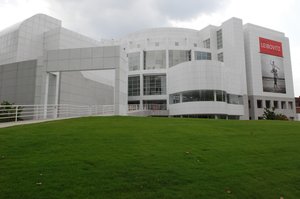 High Museum of Art |
Atlanta | 1 | Kitchen still life with two children |
 Gemäldegalerie Alte Meister |
Dresden | 1 | Young woman peeling a pear at a table with various fruits, an old man with a money bag adressing her |
Escolha uma década para ver a obra original que a define.


Kitchen Scene (1622), Statens Museum For Kunst, Copenhague. Christ and the woman of Samaria at the well (1620) e A woman and a boy in a kitchen (1620) vêm a seguir.
42 anos: Kitchen Scene data de 1622, e Floris Van Schooten nasceu em 1580.
Kitchen Scene, Christ and the woman of Samaria at the well, A woman and a boy in a kitchen, Larder Still Life with Cheese, Kitchen interior with a female cook., Women and Children by a Fruit Seller, Stall with Fruit and Vegetables, Kitchen scene, Kitchen still life with two children e Young woman peeling a pear at a table with various fruits, an old man with a money bag adressing her. O ranking acima apresenta o ano e o museu de cada uma.
Nosso catálogo contém 67 obras de Floris Van Schooten, datadas de 1610 a 1656.
Principalmente em Statens Museum For Kunst (Copenhague), Museu Frans Hals (Haren) e Kröller-Müller Museum (Otterlo). A tabela de museus acima lista todos eles.
Em 1650s: 23 das 67 obras nesta página foram feitas então, sendo A kitchen interior with fish and utensils on a table delas.
Nesta página, a mais antiga é Kitchen Utensils, Meat and Vegetables (1610) e a mais recente é Still life with bread, cheese, prawns and crabs (1656).
Fruits (2) e Life (2), entre as 67 obras nesta página.
Kitchen Scene, Women and Children by a Fruit Seller e Stall with Fruit and Vegetables: o Statens Museum For Kunst, Copenhague detém 4 das obras desta página.
Floris Gerritsz van Schooten (c. 1585 – 14 de novembro de 1656) destaca-se como uma figura fundamental no desenvolvimento da pintura de natureza-morta durante a Idade de Ouro Holandesa. Frequentemente atuando nos bastidores de contemporâneos mais exuberantes, ele moldou o gênero de forma silenciosa, porém profunda, refletindo sua evolução e absorvendo as inovações da vibrante comunidade artística de Haarlem. Seu legado não reside em técnicas revolucionárias, mas em sua observação meticulosa, na execução magistral e em uma compreensão profunda de como capturar a essência de objetos cotidianos – desde humildes banquetes de pequeno-almoço até elaboradas cenas de cozinha – todos imbuídos de um sutil sentido de vanitas.
Nascido no seio de uma próspera família católica que havia migrado de Amsterdã para Haarlem em busca de maior tolerância religiosa em 1612, a vida inicial de Floris foi profundamente enraizada nas tradições de sua linhagem. Seu pai, Gerrit Jacobsz van Schooten, era membro desta influente família, e seu casamento com Rycklant Bol van Zanen, filha de um proeminente cervejador, conferiu-lhe tanto prestígio social quanto uma conexão direta com o coração econômico de Haarlem. Esse contexto influenciou sutilmente a sua temática, retratando frequentemente a abundância da mesa, o que refletia a riqueza e a prosperidade da época.
A jornada artística de Van Schooten teve início nos recintos da Guilda de São Lucas em Haarlem, uma instituição crucial para a formação e regulamentação de artistas. Ele ascendeu rapidamente entre seus membros, tornando-se finalmente Decano em 1639, o que demonstra o respeito e a perícia que desfrutava no mundo da arte local. Sua carreira estendeu-se por várias décadas, período durante o qual produziu uma obra impressionante, estimada em cerca de 120 trabalhos — um testemunho de sua dedicação e produção constante. Notavelmente, apenas uma pintura totalmente assinada é conhecida: uma natureza-morta de pequeno-almoço, atualmente conservada no Von der Heydt Museum, em Wuppertal, Alemanha, oferecendo um raro vislumbre das intenções do próprio artista.
O desenvolvimento artístico de Floris Van Schooten estava intrinsecamente ligado à próspera cena de natureza-morta de Haarlem. Ele absorveu as técnicas e a sensibilidade de seus contemporâneos, particularmente as obras magistrais de Floris van Dyck, Pieter Claesz e Roelof Koets – todos figuras proeminentes dentro da guilda. Estes artistas serviram como influências significativas, moldando sua abordagem à composição, às paletas de cores e à representação de texturas. Notavelmente, ele espelhou as inovações que ocorriam na comunidade de natureza-morta de Haarlem, demonstrando uma aguda percepção das tendências contemporâneas.
Sua obra também revela um profundo apreço por mestres anteriores, como Pieter Aertsen e Joachim Beuckelaer, cujas cenas de mercado em grande escala haviam estabelecido convenções que Floris Van Schooten adaptou com destreza. Ele simplificou os arranjos complexos de seus predecessores, criando um maior senso de ordem e estabilidade em suas composições. Esta cuidadosa assimilação de influências é uma marca registrada de seu estilo – ele não era um inovador por si só, mas sim um diligente registrador e intérprete dos desdobramentos artísticos de sua época.
A obra de Floris Van Schooten é caracterizada por uma gama diversificada de temas de natureza-morta. Ele destacou-se na representação de cenas de pequeno-almoço, exibindo a suntuosidade das refeições matinais com presunto, queijo, pão e frutas meticulosamente arranjados. Com o mesmo talento, capturava cenas de cozinha – exibições elaboradas de provisões culinárias que refletiam os ritmos domésticos dos lares holandeses do século XVII. As cenas de mercado também ocupavam um lugar de destaque, oferecendo vislumbres do comércio vibrante das ruas de Haarlem.
Motivos recorrentes pontuavam o seu trabalho, sendo o mais notável a combinação de presunto e queijo. Estas composições, aparentemente simples, tornaram-se um elemento distintivo, imbuído de um peso simbólico – representando a abundância, a prosperidade e, talvez, até a mortalidade (um tema comum nas pinturas de vanitas). A sua atenção meticulosa ao detalhe — o brilho da prata polida, a textura da fruta madura, as dobras do linho — elevou estes objetos quotidianos a obras de arte cativantes.
Apesar do seu perfil relativamente modesto, Floris Van Schooten desempenhou um papel crucial na documentação da evolução da pintura de natureza-morta durante a Idade de Ouro Holandesa. As suas obras oferecem visões inestimáveis sobre as práticas artísticas e as sensibilidades estéticas do sistema de guildas de Haarlem. Abraham Bredius, um proeminente historiador da arte holandesa, reconheceu a importância do monograma “F.v.S” ou “FVS” como a identificação do artista, consolidando o seu lugar no registo histórico.
A sua obra serve como um testemunho da paisagem artística dinâmica da Holanda do século XVII – um reflexo tanto das tradições estabelecidas quanto das tendências emergentes. Através da sua representação magistral de objetos quotidianos, Floris Van Schooten ofereceu aos espectadores uma meditação pungente sobre a riqueza, a mortalidade e a beleza encontrada no comum.


