


1


Atualizado em Novembro 2026 · classificado pela nossa pontuação de popularidade (pesquisas, visitas e pedidos de cada obra) · 4 obras de Ferdinand Chaigneau em nosso catálogo
Em resumo
De todas as obras originais deixadas por Ferdinand Chaigneau, a mais famosa é Sheep (1885), da coleção do Manchester Art Gallery, em Manchester. Logo atrás vêm Sheep Grazing in the Evening Light (1850) e Shepherd and His Flock (1850). Nosso catálogo contém 4 obras de Ferdinand Chaigneau; a galeria preservou as 4 que o mundo mais admira, cada uma exibida com sua data, seu museu e sua história.
O museu que detém a maioria das pinturas desta página.
| Museus | Cidade | Obras de Ferdinand Chaigneau | Pinturas desta lista |
|---|---|---|---|
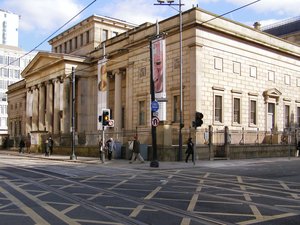 Manchester Art Gallery |
Manchester | 2 | Sheep, Sheep on the Cliff |
De 1850 a 1885, Ferdinand Chaigneau trabalhou durante 36 anos: a seleção acompanha essa longa carreira ano a ano, através das suas mais belas obras originais.
Escolha um ano para ver as obras originais.

Sheep (1885), Manchester Art Gallery, Manchester. Sheep Grazing in the Evening Light (1850) e Shepherd and His Flock (1850) vêm a seguir.
55 anos: Sheep data de 1885, e Ferdinand Chaigneau nasceu em 1830.
Nosso catálogo contém 4 obras de Ferdinand Chaigneau, datadas de 1850 a 1885.
Principalmente em Manchester Art Gallery (Manchester). A tabela de museus acima lista todos eles.
Em 1850: 2 das 4 obras nesta página foram feitas então, sendo Sheep Grazing in the Evening Light delas.
Nesta página, a mais antiga é Sheep Grazing in the Evening Light (1850) e a mais recente é Sheep (1885).
Sheep e Sheep on the Cliff: o Manchester Art Gallery, Manchester detém 2 das obras desta página.
Born in Bordeaux to Victorine Goethals and Jean-Frédéric Marius Chaigneau, Jean-Ferdinand Chaigneau began his life far from the quiet forests that would later define his soul. His early years were shaped by the guidance of his grandfather, a collector who nurtured a young eye for beauty. At nineteen, he moved toward the heart of the French art world, enrolling in the École des Beaux-Arts in Paris. There, he labored in the studios of masters like François-Édouard Picot and Léon Coignet, learning the rigorous discipline of the academic tradition. His early works, such as Souvenirs des Environs de Bordeaux, first appeared at the Salon in 1848, reflecting a young man still tethered to the formal structures of his training.
A profound shift occurred when he turned his gaze away from historical narratives and toward the living, breathing earth. Influenced heavily by Jacques Raymond Brascassat, Chaigneau found a new calling in the depiction of animals and the quietude of the landscape. This transformation led him to the village of Barbizon in 1858, where he established his home, La Bergerie. In this verdant setting, he moved among the great figures of the Barbizon School, finding kinship with Charles Jacque. It was here that his hand found its true purpose, capturing the tender, gray light and the intimate atmosphere of the countryside.
Chaigneau earned a particular affection from those who watched him work, receiving the nickname le Raphael des moutons. He possessed a singular talent for placing flocks of sheep within the plains of Chailly, using them to anchor his compositions with a sense of life and movement. His skill was not confined to the brush alone; he became an accomplished engraver and etcher, producing works like the twelve original etchings in Voyage autour de Barbizon. Through the medium of etching, he could explore the textures of the landscape with a precision that complemented his oil paintings.
His life was deeply intertwined with the natural world and his family. His home was a place of artistic gathering, and his children grew up surrounded by the scents of paint and the quiet industry of the studio. His daughter Suzanne became a noted violinist, while his son Charles-Paul followed in his father's footsteps, producing pastoral scenes of a similar spirit. When he passed away in Barbizon, he left behind a body of work that moved away from the mythologized past toward an unidealized, honest representation of nature. His etchings and paintings remain held in collections ranging from the Musée d'Orsay in Paris to the National Gallery of Canada.


