The Genesis of Abstraction: Post-War America & the Rejection of Realism
A post-war or postwar period is the interval immediately following the end of a war. The term usually refers to a varying period of time after World War II, which ended in 1945. A post-war period can become an interwar period or interbellum, when a w...
The seismic shift that birthed Abstract Expressionism wasn’t merely a stylistic evolution; it was a profound response to a world irrevocably altered by the devastation of World War II. The representational traditions of art, once seen as anchors of stability and meaning, felt inadequate—even hollow—in the face of unprecedented global trauma. American artists, largely shielded from the physical destruction that ravaged Europe, nonetheless absorbed the existential anxieties of the era. A sense of disillusionment permeated society, fostering a desire to move beyond literal depiction towards a more subjective, internal language. The social realism of the 1930s, with its focus on documentary and political messaging, gave way to an exploration of the unconscious mind, raw emotion, and the very act of painting itself. This wasn’t simply about *what* was being painted, but *how*—and why. The burgeoning New York art scene became a crucible for this new vision, attracting artists who sought to forge a uniquely American artistic identity, one untethered from European precedent.
Action vs. Color Field: Defining the Divergent Paths Within Abstract Expressionism
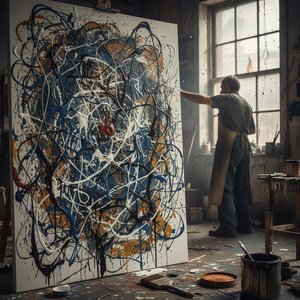
While united by a rejection of figuration and a commitment to expressive power, Abstract Expressionism quickly fractured into distinct, though often overlapping, approaches. The most immediately recognizable is perhaps “action painting,” exemplified by Jackson Pollock’s revolutionary drip technique. Pollock abandoned the easel altogether, laying his canvases on the floor and employing sticks, brushes, and even cans to fling, pour, and splatter paint in a dynamic choreography of movement. This wasn't about controlled application; it was about embodying the creative process itself—a visceral, almost primal engagement with materials. In stark contrast stood the “color field” painters like Mark Rothko and Barnett Newman. These artists eschewed gestural brushwork in favor of large expanses of luminous color, often arranged in simple rectangular forms. Their aim wasn’t to depict emotion directly, but rather to evoke it through pure chromatic experience—to create a meditative space for contemplation. The scale of these works was crucial; they were intended to envelop the viewer, fostering a sense of immersion and transcendence.
The Influence of Surrealism and the Unconscious on Painterly Gesture
The seeds of Abstract Expressionism can be traced back to the European avant-garde movements of the early 20th century, particularly Surrealism. Artists like André Masson and Max Ernst pioneered techniques such as automatism—allowing the unconscious mind to guide their hand without conscious control—which profoundly influenced the American painters. Arshile Gorky, a pivotal figure in the transition from Surrealist-inspired abstraction to full-blown Abstract Expressionism, embraced automatism as a means of unlocking his inner creative impulses. He sought to tap into a primal language of forms and symbols, often drawing inspiration from organic shapes and biomorphic imagery. This emphasis on the unconscious wasn’t merely about stylistic innovation; it was rooted in a broader intellectual climate shaped by psychoanalysis and a fascination with the hidden depths of the human psyche. The goal was to bypass rational thought and access a more authentic, visceral mode of expression.
Beyond Pollock: Exploring Lesser-Known Masters of the New York School
While Jackson Pollock remains the most iconic figure of Abstract Expressionism, the movement encompassed a diverse array of talents whose contributions deserve equal recognition. Willem de Kooning’s powerful and often unsettling paintings—particularly his “Woman” series—explored themes of gender, sexuality, and societal anxieties with raw intensity. Franz Kline's bold black-and-white abstractions, reminiscent of Japanese calligraphy, possessed a striking energy and monumentality. Norman Lewis, an African American artist who often worked in abstract forms, brought a unique perspective to the movement, incorporating elements of social commentary into his work. Lee Krasner, though frequently overshadowed by her husband Pollock, was a formidable painter in her own right, known for her dynamic compositions and vibrant use of color. These artists, along with others like Adolph Gottlieb and Clyfford Still, collectively defined the richness and complexity of the New York School.
Materiality & Scale: The Physical Presence of Paint in Abstract Expressionist Works
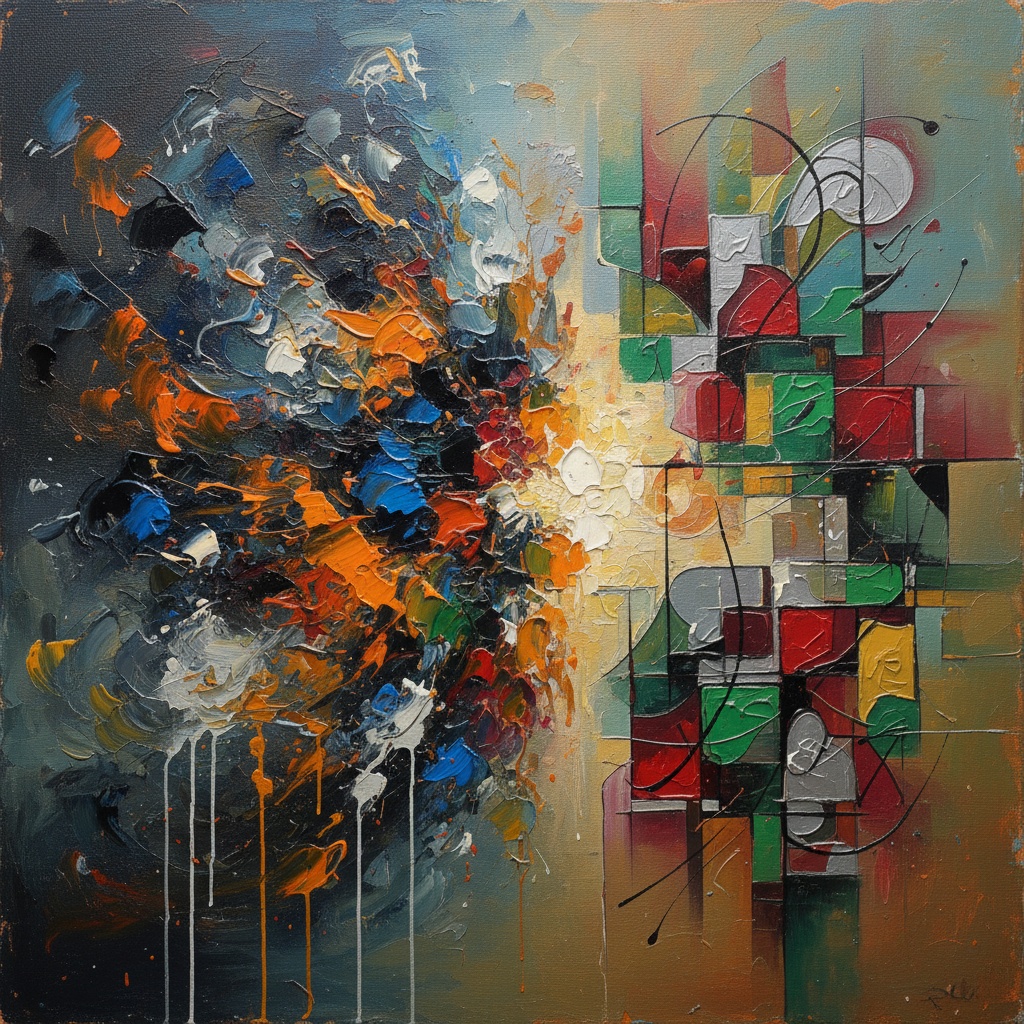
A defining characteristic of Abstract Expressionism is its emphasis on the physicality of paint. These weren’t simply images *on* a canvas; they were objects with their own inherent presence and texture. Pollock's drips, de Kooning’s impasto brushstrokes, and Rothko’s luminous washes all demonstrate a heightened awareness of the material qualities of paint itself. The scale of these works was also crucial—often monumental in size, they demanded the viewer’s full physical engagement. This wasn’t about creating easily digestible images; it was about confronting the viewer with a raw, visceral experience. The artists sought to break down the traditional barriers between painting and sculpture, transforming the canvas into an arena for action and expression. The very act of applying paint became a performance—a testament to the artist’s physical and emotional investment.
Collecting Abstract Expressionism: Identifying Quality, Provenance, and Investment Potential
Investing in Abstract Expressionist works requires careful consideration and expert guidance. Beyond aesthetic appeal, factors such as provenance (the documented history of ownership) are paramount. A clear chain of ownership adds significant value and authenticity to a piece. The condition of the artwork is also crucial—restoration work should be meticulously documented. Identifying quality involves assessing the artist’s technical skill, originality of composition, and overall impact. While iconic works by Pollock, Rothko, and de Kooning command high prices, exploring lesser-known artists can offer compelling investment opportunities. Consulting with art appraisers and specialists is essential to ensure you are acquiring a genuine work of significant value. OriginalUniqueArt.com offers a curated selection of museum-quality reproductions, allowing collectors to experience the power and beauty of Abstract Expressionism firsthand, while also providing resources for understanding this pivotal movement in art history.