The Withered Tree (William Collins)
William Collins (1824–1889) criou The Withered Tree.

 Visualizar na parede

 Pintura a Óleo Feita à Mão
 Compartilhar
 Compartilhar
 Ficha técnica


 Baixar imagem
 Semelhantes
 Raio X
 Ver diaporama
 Perguntas e Respostas

 Estatísticas
The Withered Tree, em resumo
- Título
- The Withered Tree
- Artista
- William Collins (1824–1889)
- Artista nascido em
- Londres, Reino Unido
- Tema
- forests
Imagens em alta resolução de The Withered Tree
William Collins, The Withered Tree.
William Collins (1824–1889), The Withered Tree. Domínio público. Imagem: OriginalUniqueArt.com.
Perguntas sobre The Withered Tree respondidas
O que "The Withered Tree", de William Collins retrata?
"The Withered Tree", de William Collins retrata: forests.
A imagem de "The Withered Tree", de William Collins pode ser reproduzida livremente?
Informação de direitos autorais para "The Withered Tree", de William Collins: a obra está em em domínio público — seus direitos autorais expiraram. Isso determina se reproduções da imagem podem ser feitas livremente.
Quem é o artista por trás de "The Withered Tree"?
O artista por trás de "The Withered Tree" é William Collins. A obra está catalogada sob o nome de William Collins.
Qual é a situação dos direitos autorais de "The Withered Tree", de William Collins?
"The Withered Tree", de William Collins está em em domínio público — seus direitos autorais expiraram. O período de direitos autorais conta a partir do falecimento do artista, ocorrido em 1889.
Sobre o artista, William Collins

1824–1889, Reino Unido
William Collins
A Life Immersed in Sentiment: The World of William Collins Born in London in 1788, William Collins emerged as a significant voice within the British Romantic tradition, though his path to artistic recognition was subtly interwoven with familial and societal currents. His father, also named William Collins, was a respected painter and writer, providing young William with an early immersion into the world of art. This foundational exposure shaped his aesthetic sensibilities, yet his journey wasn’t simply one of direct imitation. While initially intended for a career mirroring his father's, Collins ultimately carved out a distinctive niche for himself, focusing on scenes that resonated deeply with Victorian audiences – idyllic portrayals of rural life and tender depictions of childhood innocence.
Também de William Collins
 O Gatinho Abandonado
 Happy as a King1836
 The Day's Bag
 Seaford, Sussex
Ensaios sobre The Withered Tree
 Master of the Forest: The Top 25 Ivan Shishkin ArtworksBorn in 1832 in Yelabuga, Shishkin traded the polished artifice of the studio for the raw, unyielding truth of the Russian wilderness.
 Masterpieces of the Wilderness: The Top 25 Thomas Cole ArtworksBorn in Bolton, England, Thomas Cole moved away from rigid portraiture to found the Hudson River School, capturing the American wilderness.
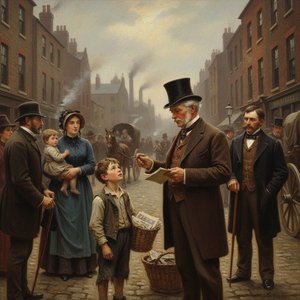 William Collins: A Study in Victorian Narrative Painting & Social CommentaryExplore the captivating world of William Collins (1788-1847), a celebrated Victorian painter known for his charming genre scenes and poigna…