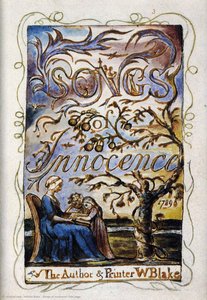
Visualizar na parede
 Compartilhar
 Compartilhar
 Detalhes
 Guia
Guia

 Baixar imagem
 Semelhantes
 Raio X
 Ver diaporama
 Estatísticas
Beatriz no carro, Matilde e Dante

 Ler mais
Reprodução em Óleo Feita à Mão
Óleo sobre tela pintado à mão no tamanho e moldura de sua escolha, feito sob encomenda pelos nossos artistas. ( Alternar para Impressão Alternar para Imagem Digital)




P118B €10

P118H €10

P118W €10

P438Z €10

P508JH €12

P508YH €12

P805H €10

P805Z €10

P919BZ €10

P919G €10

P919XJ €10

P959ZH €10

P968JZ €12

W106C €8

W218G €10

W218JH €8

W218Y €10

W307PJ €10

W316G €10

W316PJ €8

W316Y €10

W398PJ €8

W4111J €10

W500HY €15

W500JH €15

W692G €12

W849H €8

W940BG €15

W953PJ €8




Escolha entre os nossos tamanhos pré-definidos que respeitam as proporções originais da obra de arte.

Insira a largura e a altura desejadas para se ajustarem à sua moldura ou parede. Como esta obra é pintada à mão, para um tamanho com proporções diferentes, o artista poderá pintar um pouco mais ao redor da imagem ou reduzir ligeiramente a composição — você escolhe. Enviamos uma maquete digital para sua aprovação antes de iniciar a pintura. A imagem exibida nesta página não representa o resultado real — apenas a maquete mostra o resultado final.
Após o pedido, a equipa OriginalUniqueArt.com enviará um e-mail ao cliente para solicitar instruções e fornecer uma prévia do esboço.
Entrega mundial () em 3 a 4 semanas, em vez das 5 semanas padrão. (27 Outubro). Sem comprometer a qualidade.

Envio expresso gratuito para todo o mundo

Tela de Linho de Alta Qualidade

Seguro de transporte completo

Garantia de Reembolso de Impostos Alfandegários

Garantia de Fidelidade Cromática

Política de Devolução em 100 Dias (Apenas para Defeitos)

Garantia de reembolso de 100%

Oferta de desconto por quantidade
 A opção de vidro está disponível apenas para tamanhos inferiores a 110 cm

Beatriz no carro, Matilde e Dante
Técnica de Reprodução
Tamanho da Reprodução
-


Preço Total
€ 264
Beatriz en el carro, Matilde y Dante: Un Encuentro Celestial Inspirado en Dante
Este impresionante cuadro de William Blake, titulado “Beatriz en el carro, Matilde y Dante”, captura una escena clave del poema épico italiano "La Divina Comedia" de Dante Alighieri. Pintado entre 1824 y 1827, esta obra maestra simbolista ofrece una visión profundamente espiritual y emocional que sigue fascinando a artistas y amantes del arte hasta nuestros días. La pintura fue creada durante el período romántico inglés, un movimiento caracterizado por la exaltación de la imaginación, la emoción y la libertad creativa, valores que encontraron eco en la sensibilidad artística de Blake.- Descripción General: El cuadro presenta una representación magistral del viaje espiritual de Dante a través del Infierno, el Purgatorio y el Paraíso. En esta etapa final del poema, Dante se encuentra con Beatriz, quien lo guía hacia la iluminación divina en un carro tirado por caballos blancos, simbolizando la esperanza y la gracia celestial. Esta imagen evocadora captura la esencia misma de la unión entre hombre y Dios, tema central en la poesía de Blake.
- Estilo y Técnica: Blake empleó una combinación innovadora de técnicas pictóricas que reflejan su visión artística única. Utilizó acuarela sobre papel combinado con grabado en cobre, creando una textura rica y compleja que enfatiza la profundidad emocional del cuadro. Esta técnica permitió a Blake lograr efectos luminosos impresionantes y transmitir una sensación de movimiento y energía espiritual.
- Contexto Histórico: La obra fue creada en respuesta al creciente interés por el pensamiento religioso y filosófico de la época romántica, donde Dante Alighieri era considerado un modelo de inspiración intelectual y artística. Blake buscó expresar los ideales religiosos y morales del Romanticismo a través de una representación simbólica del viaje espiritual humano hacia Dios.
- Simbolismo: El cuadro está repleto de símbolos que enriquecen su significado profundo. Beatriz, representada en el carro blanco, simboliza la gracia divina y la esperanza eterna. Los caballos blancos representan la fuerza y la pureza espiritual, mientras que los árboles y el agua crean una atmósfera de serenidad y armonía celestial. Cada elemento del cuadro está cuidadosamente elegido para transmitir un mensaje religioso y filosófico complejo.
- Impacto Emocional: “Beatriz en el carro, Matilde y Dante” posee una fuerza emocional impresionante que conmueve al espectador. La pintura transmite una sensación de belleza sublime y trascendencia espiritual, invitando a la reflexión sobre temas fundamentales como el amor divino, la fe y la búsqueda de la iluminación interior. Esta obra sigue siendo un testimonio del poder del arte para expresar emociones profundas y transmitir mensajes universales.
Perguntas e Respostas
Posso ver "Beatriz no carro, Matilde e Dante" como um slideshow em tela cheia?
O diaporama de "Beatriz no carro, Matilde e Dante" pode ser visualizado na página Apresentação de imagens da obra.
Qual é a orientação de "Beatriz no carro, Matilde e Dante", de William Blake?
"Beatriz no carro, Matilde e Dante", de William Blake possui um formato Formato paisagem. O formato descreve as proporções da composição.
Para que uso é sugerida a reprodução de "Beatriz no carro, Matilde e Dante", de William Blake?
Uma reprodução de "Beatriz no carro, Matilde e Dante", de William Blake é recomendada para Ponto de cor. Esta sugestão decorre do tema, da atmosfera e das cores da obra.
Biografia do Artista
A Visionary’s Journey: The Life and Art of William Blake
William Blake, born in London on November 28, 1757, was a figure perpetually out of step with his time, yet destined to become one of the most celebrated artists and poets of the Romantic Age. His life unfolded against the backdrop of a rapidly changing England—a world grappling with industrialization, political upheaval, and shifting spiritual beliefs. From humble beginnings as the son of a hosier, Blake’s early years were marked by an intensely vivid imagination and a propensity for visionary experiences that would profoundly shape his artistic trajectory. Though largely self-taught in formal academics, he received drawing instruction at a young age, quickly revealing a talent that hinted at the extraordinary path ahead. His apprenticeship with engraver James Basire proved pivotal, providing him not only with technical mastery but also an understanding of printmaking techniques he would later revolutionize. These early influences—the Gothic grandeur of Westminster Abbey, the classical forms of Raphael and Michelangelo—served as foundational elements in his developing aesthetic, though Blake was never one to remain bound by convention.The Illuminated World: Technique and Innovation
Blake’s artistic innovation wasn't merely about subject matter; it resided fundamentally in *how* he created. Dissatisfied with conventional engraving methods, he developed a unique process known as “illuminated printing.” This involved etching both text and illustrations onto copper plates, then hand-coloring the resulting prints—a laborious but deeply personal approach that allowed for complete artistic control. This wasn’t simply illustration accompanying poetry; it was an integrated art form where image and verse were inextricably linked, each enhancing the meaning of the other. His relief etching technique, born from a claimed visionary experience following his brother's death, further distinguished his work, granting it a distinctive textural quality and allowing for greater artistic freedom than traditional methods. Beyond printmaking, Blake also worked with watercolors and tempera paints, often depicting biblical scenes or fantastical subjects imbued with symbolic weight. A key characteristic of his style was a deliberate rejection of linear perspective in favor of a more emotive, symbolic representation—a flattening of space that drew the viewer into the heart of his visionary world. He sought to capture not just what he saw but what he *felt*, channeling spiritual insight into every brushstroke and line of text.Themes of Innocence, Experience, and Rebellion
The core of Blake’s artistic output lies in its exploration of profound themes: the duality of innocence and experience, the constraints of reason versus the liberating power of imagination, and a fierce critique of societal norms.- Songs of Innocence and of Experience (1794), perhaps his most accessible work, presents a contrasting vision of childhood—one idyllic and untainted, the other marked by hardship and corruption.
- The Marriage of Heaven & Hell (1793) is a provocative prose poem that challenges conventional morality, celebrating energy, desire, and rebellion against restrictive doctrines.
- His illustrations for Dante’s *Divine Comedy* showcase his dramatic vision and ability to translate complex narratives into powerful visual imagery.
A Legacy Rediscovered: Blake's Enduring Influence
During his lifetime, William Blake remained largely marginalized, misunderstood by many of his contemporaries. His work was often dismissed as eccentric or even mad. He struggled financially throughout much of his life, relying on commissions and the support of a small circle of patrons like Thomas Butts. However, in the decades following his death on August 12, 1827, Blake’s reputation began to grow steadily. The Pre-Raphaelites, captivated by his visionary style and symbolic imagery, embraced him as a kindred spirit. Later movements—Symbolism and Modernism—found resonance in his emphasis on imagination, subjective experience, and spiritual themes. Today, William Blake is recognized as a pivotal figure in the Romantic movement, an artist whose work continues to inspire poets, painters, and thinkers across disciplines. His exploration of complex philosophical and religious ideas through art remains profoundly relevant, challenging us to question conventional wisdom and embrace the power of individual vision. Blake’s legacy isn't simply about his artistic achievements; it is about his unwavering commitment to creative freedom—a testament to the enduring power of imagination in a world often dominated by reason and constraint.
William Blake
1757 - 1827 , Reino Unido
Dados Rápidos
- Artistic Movement Or Style: Romantismo
- Artists Who Influenced This Artist:
- Rafael
- Michelangelo
- Date Of Birth: 1757
- Date Of Death: 1827
- Full Name: William Blake
- Nationality: Britânico
- Notable Artworks:
- Canções da Innocência e da Experiência
- O Casamento do Céu e do Inferno
- O Tigre
- Jerusalém
- Place Of Birth: Londres, Reino Unido
Artigos Relacionados

Romantic Realism's Finest: 10 Masterpieces for Your Home | OriginalUniqueArt
Explore 10 defining masterpieces of Romantic Realism! Discover Courbet, Millet & Daumier's powerful paintings—capturing emotion and social realities. Find museum-quality reproductions for your home at OriginalUniqueArt.com.

Dante Gabriel Rossetti: As 25 Obras-Primas do Mestre Pré-Rafaelita | OriginalUniqueArt
Descubra as 25 obras-primas de Dante Gabriel Rossetti, o mestre pré-rafaelita! Explore a beleza, simbolismo e paixão em pinturas icônicas como 'Proserpina' e 'Beata Beatrix'. Encontre reproduções de arte exclusivas para transformar sua casa com OriginalUniqueArt.com.
William Blake: Romantic Visionary & Mystical Genius of the Imagination
Explore the mystical art & poetic genius of William Blake (1757-1827). Discover his revolutionary illuminated printing, rich symbolism, and lasting influence on Romanticism. Find handmade reproductions at OriginalUniqueArt.

Sir William Blake Richmond: A Visionary of Aestheticism & Symbolism
Explore the life & art of Sir William Blake Richmond, a pivotal figure bridging Pre-Raphaelitism and Aestheticism. Discover his stunning portraits, mosaics at St Paul's Cathedral, and lasting influence on Victorian art.
John Varley I: Intimate Observation & the British Romantic Landscape
Explore the serene landscapes of John Varley I, a key figure in British Romanticism. Discover his unique watercolour style, collaboration with William Blake & lasting artistic legacy. Learn about collecting Varley's work.