Expressionism · 1910
Quérido (Theo van Doesburg, 1910)
Theo van Doesburg (1883–1931) criou Quérido. Data de 1910. Pertence ao movimento Expressionism. É feito em Charcoal.
- 1910
- Charcoal

 Visualizar na parede

 Pintura a Óleo Feita à Mão
 Compartilhar
 Compartilhar
 Guia


 Baixar imagem
 Semelhantes
 Raio X
 Ver diaporama
 Perguntas e Respostas

 Estatísticas
Quérido: o essencial
- Título
- Quérido
- Artista
- Theo van Doesburg (1883–1931)
- Artista nascido em
- Utreque, Países Baixos
- Data
- 1910
- Técnica
- Charcoal
- Movimento
- Expressionism
- Período
- Modern
- Tema
- man, portrait, face, shoulders, scarf, short hair
O que Quérido retrata?
The Portrait of a Man by Theo van Doesburg
In the quiet intensity of Quérido, Theo van Doesburg captures a man caught in a moment of profound stillness. Created about 1910, this portrait presents a figure whose presence feels immediate and heavy. The subject gazes forward with an expression that suggests deep introspection, pulling the viewer into a silent, psychological encounter. He possesses short hair and wears a scarf or collar around his neck, details that anchor the figure within the frame. There is a certain weight to his stare, a directness that refuses to look away.
The composition focuses entirely on the man, cropping the view tightly around his head and shoulders. This closeness strips away the distractions of the surrounding world, leaving only the essential form of the person. Every line and shadow works to define the contours of his face, creating a sense of volume that feels tangible. The man exists in a space where the background has retreated, leaving his features to command the entirety of the viewer's attention. It is a study of a human presence, stripped of ornament and focused on the gravity of a single, unmoving moment.
Composition and Visual Elements of the Portrait
The subject sits centered, facing forward in a tight, intimate framing that leaves no room for distraction. The composition pulls the viewer inward, focusing entirely on the head and shoulders of the man. This close-up approach eliminates any sense of a wider environment, stripping away the background to ensure all attention remains on the figure. His direct gaze meets the viewer with a heavy sense of intensity, suggesting a moment of deep introspection or a quiet, psychological encounter.
A monochromatic palette of grayscale tones defines the visual field, moving from the deepest blacks to the lightest whites. Light descends from above, casting shadows that trace the roundness of the face and the contours of the neck. Because the framing is so close and the background remains empty, perspective feels minimal. Instead, a sense of depth emerges through subtle tonal variations and the way lines overlap to suggest form.
Technique and Artistic Materials Used
The artist works with charcoal or pencil upon paper, leaving behind a stark and graphic presence. Every stroke carries a specific weight, moving between deep, heavy blacks and the lightest grays to build a sense of volume. Through the deliberate application of hatching and cross-hatching, the surface gains a tactile quality that suggests depth without the need for color. These intersecting lines build up tonal values, creating a play of light and shadow that defines the contours of the face and the folds of the clothing.
Lines act as the primary architect of this form, used extensively to trace the delicate features of the eyes, the bridge of the nose, and the curve of the mouth. The texture of the hair and the heavy drape of the fabric emerge from the density and direction of these marks. By varying the thickness and pressure of the tool, the artist simulates the physical sensation of different surfaces. This approach emphasizes a simplification of form, where the focus shifts away from literal representation toward a powerful interplay of line and tonal contrast.
Quérido em alta resolução
Theo van Doesburg, Quérido (1910). Domínio público.
Um especialista digital verifica as cores em relação à pintura original e retoca o ficheiro, respeitando fielmente a pincelada do artista.
Comprar a imagem em alta resoluçãoPerguntas sobre Quérido
Em que ano foi criada a obra "Quérido", de Theo van Doesburg?
"Quérido", de Theo van Doesburg foi criado em 1910.
Qual técnica foi utilizada em "Quérido", de Theo van Doesburg?
Theo van Doesburg utilizou a técnica de Charcoal para "Quérido". A técnica define a natureza material da obra original.
Quais temas aparecem em "Quérido", de Theo van Doesburg?
Os temas presentes em "Quérido", de Theo van Doesburg incluem man, portrait, face, shoulders, scarf, short hair. Juntos, eles sintetizam o assunto da obra.
"Quérido" está em domínio público?
Informação de direitos autorais para "Quérido", de Theo van Doesburg: a obra está em em domínio público — seus direitos autorais expiraram. Isso determina se reproduções da imagem podem ser feitas livremente.
Quem é o artista por trás de "Quérido"?
O artista por trás de "Quérido" é Theo van Doesburg. A obra está catalogada sob o nome de Theo van Doesburg.
A qual estilo pertence "Quérido"?
"Quérido" é uma obra do Expressionism. O movimento indica a tradição artística da qual a obra faz parte.
A que período da carreira de Theo van Doesburg pertence "Quérido"?
Dentro da trajetória de Theo van Doesburg, "Quérido" pertence ao período Early Period. Esta fase permite compará-la com outras obras do artista.
Com que idade Theo van Doesburg criou "Quérido"?
Quando "Quérido" foi criada em 1910, Theo van Doesburg — nascido(a) em 1883 — tinha 27 anos.
Qual é a situação dos direitos autorais de "Quérido", de Theo van Doesburg?
"Quérido", de Theo van Doesburg está em em domínio público — seus direitos autorais expiraram. O período de direitos autorais conta a partir do falecimento do artista, ocorrido em 1931.
Sobre o artista, Theo van Doesburg

1883–1931, Países Baixos
Theo van Doesburg
The Architect of Abstraction: A Life in Geometric Harmony Theo van Doesburg, born Christian Emil Marie Küpper in 1883 in Utrecht, Netherlands, wasn’t merely a painter; he was a revolutionary force who fundamentally reshaped the very foundations of modern art. His journey began amidst the lingering echoes of Impressionism and Post-Impressionism, initially mirroring styles reminiscent of Vincent van Gogh – both in subject matter and emotional intensity. However, this early phase served as a crucial prelude, a necessary stepping stone toward the radical transformation that would define his enduring legacy. A pivotal moment arrived in 1913 with his encounter with Wassily Kandinsky’s *Rückblicke*.
Também de Theo van Doesburg
 Counter composition XV1925
 Rhythm of a Russian Dance
 Troelstra1910
 Study for Composition VIII (The Cow)1918
Ensaios sobre Quérido
 The Visceral Turn: Exploring Emotional Intensity in ExpressionismExplore the powerful world of Expressionism with OriginalUniqueArt. Discover key artists like Kirchner & Nolde, understand its emotional im…
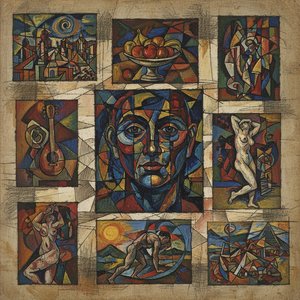 Cubismo Expressionista: 10 Obras-Primas que Moldaram a Arte Moderna | OriginalUniqueArtDescubra as 10 obras-primas do Cubismo Expressionista que revolucionaram a arte moderna! Explore Picasso, Braque e outros mestres. Reproduç…
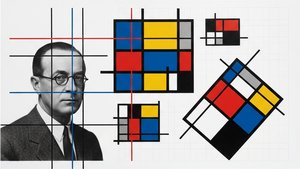 Theo van Doesburg: Pioneering De Stijl & the Evolution of Neo-PlasticismExplore the revolutionary De Stijl movement & Neo-Plasticism with our expert guide. Discover Piet Mondrian, Theo van Doesburg, and the last…