

 Visualizar na parede
 Compartilhar
 Compartilhar
 Detalhes

 Baixar imagem
 Semelhantes
 Raio X
 Slideshow
Godfrey Enters Jerusalém


 Ler mais
Reprodução em Óleo Feita à Mão
Óleo sobre tela pintado à mão no tamanho e moldura de sua escolha, feito sob encomenda pelos nossos artistas. ( Comprar impressão Comprar imagem)




P118B $10

P118H $10

P118W $10

P438Z $10

P508JH $12

P508YH $12

P805H $10

P805Z $10

P919BZ $10

P919G $10

P919XJ $10

P959ZH $10

P968JZ $12

W106C $8

W218G $10

W218JH $8

W218Y $10

W307PJ $10

W316G $10

W316PJ $8

W316Y $10

W398PJ $8

W4111J $10

W500HY $15

W500JH $15

W692G $12

W849H $8

W940BG $15

W953PJ $8




Escolha entre os nossos tamanhos pré-definidos que respeitam as proporções originais da obra de arte.

Pode inserir as suas próprias dimensões para se adequar a uma moldura ou espaço específico. Se o tamanho selecionado não corresponder às proporções da imagem original, iremos cortar a obra de arte ou estender a pintura com elementos adicionais pintados à mão. Um esboço digital será enviado para sua aprovação antes do início da produção.
Tenha em atenção que a pré-visualização no ecrã não reflete o corte ou extensão real. Apenas o esboço mostrará com precisão a composição final.
Embora tamanhos personalizados estejam disponíveis, recomendamos selecionar uma dimensão da lista predefinida para preservar as proporções originais.
Após o pedido, a equipa OriginalUniqueArt.com enviará um e-mail ao cliente para solicitar instruções e fornecer uma prévia do esboço.
Entrega mundial () em 3 a 4 semanas, em vez das 5 semanas padrão. (25 Agosto). Sem comprometer a qualidade.

Envio expresso gratuito para todo o mundo

Tela de Linho de Alta Qualidade

Seguro de transporte completo

Garantia de Reembolso de Impostos Alfandegários

Garantia de Fidelidade Cromática

Política de Devolução em 60 Dias (Apenas para Defeitos)

Garantia de reembolso de 100%

Oferta de desconto por quantidade
 A opção de vidro está disponível apenas para tamanhos inferiores a 110 cm

Godfrey Enters Jerusalém
Técnica de Reprodução
Tamanho da Reprodução
-


Preço Total
$ 900
Descrição da Obra
Godfrey Enters Jerusalem: Uma Dramática Gravura de Gustave Doré
Gustave Doré’s “Godfrey Enters Jerusalem,” concluído em 1877, permanece uma obra monumental da ilustração romântica – uma representação visceral do cerco e triunfo que marcou o ponto culminativo da Primeira Cruzada. Mais do que um registro histórico, é uma declaração artística repleta de ressonância simbólica e execução magistral, cativando espectadores até hoje com sua força bruta e detalhe impressionante.
Composição e Técnica: Capturando o Caos
A genialidade composicional de Doré é imediatamente evidente. A gravura rejeita a perspectiva tradicional, favorecendo em vez um espaço achatado que amplifica o senso de urgência e desorientação inerente à cena. Figuras estão densamente agrupadas no quadro – soldados lutando ferozmente, paredes desmoronando testemunhas de séculos de conflito –, criando uma panorâmica avassaladora de ação. Linhas finas dominam a imagem, meticulosamente trabalhadas para render texturas que variam da pedra bruta das muralhas de Jerusalém à couro gasto dos armaduras de cavaleiros cruzados. Técnicas de hatching e cruzamento esculpem sombras profundas, destacando figuras chave em meio ao tumulto.
Contexto Histórico: Fé e Fúria
"Godfrey Enters Jerusalem" celebra um momento crucial na história cristã – a retomada de Jerusalém pelas forças cruzadas após séculos de domínio muçulmano. A representação de Doré captura não apenas a luta militar, mas também o fervor religioso que impulsiona a Cruzada, personificado no olhar determinado de Godfrey enquanto ele lidera seus homens para a cidade santa. A gravura reflete as ansiedades e aspirações da Inglaterra Vitoriana lutando com questões de império e moralidade, espelhando uma preocupação cultural mais ampla com heroísmo e convicção espiritual.
Simbolismo: Triunfo Entre o Sofrimento
Além de seu relato histórico, Doré atribui à obra elementos simbólicos poderosos. Os soldados caídos representam sacrifício e perda – uma lembrança pungente do custo humano da zelo religioso. No entanto, a resolução inabalável de Godfrey simboliza favor divino e vitória final – o cumprimento da profecia bíblica e o triunfo do cristianismo sobre o paganismo. As paredes desmoronadas servem como metáfora visual para o declínio de antigas fé e o surgimento de novas aspirações espirituais.
Impacto Emocional: Uma Obra-Prima da Expressão Dramática
O uso magistral de chiaroscuro – a interação entre luz e sombra – eleva “Godfrey Enters Jerusalem” além da mera ilustração, transformando-a em uma experiência emocional carregada. A luz dramática lança sombras longas sobre o campo de batalha, enfatizando a brutalidade da luta enquanto simultaneamente transmite um senso de grandeza e solenidade. A gravura obriga os espectadores a confrontar temas de coragem, fé e mortalidade, deixando uma impressão indelével em quem encontrar sua arte excepcional. Ela permanece um testemunho da capacidade incomparável de Doré para traduzir eventos históricos em narrativas visuais inesquecíveis – uma pedra angular da história da arte romântica.
Biografia do Artista
A Life Etched in Shadow and Light: The World of Gustave Doré
Paul Gustave Louis Christophe Doré, known to the world as Gustave Doré, was a figure who straddled the worlds of illustration, painting, and sculpture with an astonishing virtuosity. Born in Strasbourg, France, on January 6th, 1832, his life unfolded during a period of immense social and artistic change, a time when Romanticism still held sway but was giving way to new currents of realism and symbolism. Even as a child, Doré displayed a precocious talent, not merely in drawing—which he began at an incredibly young age—but also in a personality that hinted at the dramatic flair which would come to define his work. Stories abound of youthful pranks demonstrating a maturity beyond his years, foreshadowing the complex and often melancholic themes that would permeate his art. He embarked on his professional career remarkably early, at just fifteen years old, as a caricaturist for the French journal *Le Journal pour rire*, honing his skills in observation and composition within the bustling world of Parisian satire.From Caricature to Literary Giants: The Rise of an Illustrator
Doré’s early commissions laid the foundation for his future renown. Works like *Les Travaux d'Hercule* (1847), *Trois artistes incompris et mécontents* (1851), and *Les Dés-agréments d'un voyage d'agrément* (1851) showcased a burgeoning talent for dynamic composition and a masterful use of light and shadow, even in these relatively modest beginnings. He was deeply influenced by the illustrations of J.J. Grandville, whose fantastical imagery and satirical edge resonated with Doré’s own developing style. However, it was through his collaborations with literary giants that Doré truly ascended to prominence. In 1853, he received a commission to illustrate the works of Lord Byron, an undertaking which opened doors to further prestigious projects. The monumental task of illustrating the Bible followed, a project that would cement his reputation and bring his art before a vast international audience. His illustrations for Cervantes’ *Don Quixote* in the 1860s were particularly impactful, profoundly influencing subsequent interpretations of the characters and narrative. He wasn't merely illustrating these stories; he was reimagining them, imbuing them with a dramatic intensity that captured the imagination of readers worldwide. The oversized edition of Edgar Allan Poe’s “The Raven,” completed in 1883, earned him an impressive 30,000 francs from Harper & Brothers, demonstrating the commercial success alongside the artistic acclaim he had achieved. His collaboration with Blanchard Jerrold on *London: A Pilgrimage* (1872) was a particularly poignant and controversial work, depicting the stark realities of Victorian London’s poverty and sparking debate about social conditions.A Master of Technique: Wood Engraving and Romantic Vision
Doré's artistic prowess lay not only in his imaginative vision but also in his technical mastery, particularly in wood engraving. He possessed an extraordinary ability to create incredibly detailed and dramatic images through this medium, a skill that allowed for the mass production and widespread dissemination of his work. His compositions are characterized by their dynamism, strong contrasts between light and shadow—a technique known as chiaroscuro—and a sense of grandeur that often evokes a feeling of awe or even terror. He frequently employed a large team of block-cutters to translate his designs into wood engravings, enabling the efficient production needed to meet the demands of publishers and readers alike. His style is firmly rooted in the Romantic tradition, emphasizing emotion, imagination, and the sublime—a fascination with the overwhelming power of nature and the human condition. He wasn’t merely recording scenes; he was interpreting them through a lens of heightened emotionality and dramatic flair. This approach, while celebrated by many, also drew criticism from some contemporaries who found his work overly theatrical or sensationalized.Notable Works and Lasting Influence
Doré's prolific output spanned a vast range of subjects and styles. His illustrations for Dante’s *Inferno* remain perhaps his most iconic achievement, capturing the terrifying visions of hell with unparalleled intensity. Similarly, his interpretations of Milton’s *Paradise Lost* and Cervantes’ *Don Quixote* are celebrated for their grandeur and dramatic flair. Beyond these monumental projects, Doré produced countless illustrations for popular literature, including works by Balzac, Coleridge, and Poe. His depictions of London—particularly *London: A Pilgrimage*, which offered a stark portrayal of poverty and social injustice—left a lasting impact on the public’s perception of the city. Despite facing some criticism during his lifetime—some found his style overly dramatic or lacking in subtlety—Doré's work is now celebrated for its artistic merit and historical importance. His illustrations continue to shape our understanding of classic literature and Victorian society, offering a powerful visual interpretation of timeless stories and enduring themes. He died on January 23rd, 1883, leaving behind an immense body of work that continues to captivate and inspire. *His art remains a testament to the power of illustration to not only depict but also to interpret and transform the world around us.*Key Characteristics
- Dramatic Composition: Doré’s works are renowned for their dynamic arrangements, often featuring sweeping vistas and figures in dramatic poses.
- Chiaroscuro: His masterful use of light and shadow creates a powerful sense of depth and atmosphere.
- Romantic Intensity: Doré's illustrations are infused with emotion, imagination, and a fascination with the sublime.
- Technical Skill: He was a highly skilled wood engraver, capable of producing incredibly detailed and intricate images.
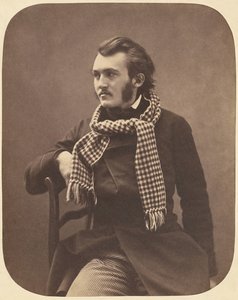
Gustave Doré
1832 - 1883 , França
Dados Rápidos
- Artistic Movement Or Style: Romantismo
- Artists Or Movements Influenced By This Artist: ['Van Gogh']
- Artists Who Influenced This Artist: ['Grandville']
- Date Of Birth: 6 jan. 1832
- Date Of Death: 23 jan. 1883
- Full Name: Paul Gustave Doré
- Nationality: Francês
- Notable Artworks:
- Don Quixote
- Inferno
- Paraíso
- Place Of Birth: Estrasburgo, França
Artigos Relacionados
Harold Copping: A Life Depicted – Exploring the Narrative Power of a Golden Age Illustrator
Explore the life and art of Harold Copping, renowned for his beautiful biblical illustrations and Victorian depictions. Discover the story behind 'The Copping Bible' and his lasting impact on religious art history.
Kay Rasmus Nielsen: A Golden Age Illustrator's Enchanting Legacy of Symbolism & Narrative
Explore the captivating world of Kay Rasmus Nielsen, a celebrated Golden Age illustrator renowned for his Art Nouveau fairy tale art & Disney contributions. Discover his unique style, enduring legacy, and how to collect his enchanting works.

Angelo Chiacchio: A Mid-Century American Illustration Master & the Rise of Commercial Art
Explore the captivating world of Angelo Chiacchio, a master of mid-century American illustration. Discover his evolution, signature style, and lasting impact on commercial art & design. Learn about his legacy at the Museum of American Illustration.
The Refined Aesthetic of Victorian Illustration: A Study in Narrative & Technique
Explore the captivating world of Victorian illustration! Discover Pre-Raphaelite influences, key artists like Rossetti & Stephens, and the era's rich narrative detail. A deep dive for art enthusiasts.
High Medieval Art: 10 Masterpieces That Shaped an Era | OriginalUniqueArt
Journey through High Medieval Art! Explore 10 iconic masterpieces – from Giotto's frescoes to stunning Gothic cathedrals. Discover the stories behind these timeless paintings, sculptures & illuminated manuscripts. Find museum-quality art reproductions at OriginalUniqueArt.com.



