Renaissance
St. Jerome (Sandro Botticelli)
Sandro Botticelli (1445–1510) criou St. Jerome. Pertence ao movimento Renaissance. É feito em Oil On Panel. Está conservada no Museu Hermitage, em São Petersburgo, Rússia.
- Oil On Panel
- Museu Hermitage, São Petersburgo

 Visualizar na parede

 Pintura a Óleo Feita à Mão
 Compartilhar
 Compartilhar
 Ficha técnica


 Baixar imagem
 Semelhantes
 Raio X
 Ver diaporama
 Perguntas e Respostas

 Estatísticas
St. Jerome, em resumo
- Título
- St. Jerome
- Artista
- Sandro Botticelli (1445–1510)
- Artista nascido em
- Florença, Itália
- Técnica
- Oil On Panel
- Onde ver
- Museu Hermitage, São Petersburgo, Rússia
- Movimento
- Renaissance
- Período
- Renaissance
- Tema
- religious lamentation, medieval grief scene, renaissance figures, classical composition, memento mori theme, oil painting technique
O que St. Jerome retrata?
A Moment of Profound Grief: Exploring Botticelli’s *St. Jerome*
Sandro Botticelli's *St. Jerome*, a poignant depiction of sorrow and contemplation, offers a captivating glimpse into the artistic sensibilities of the Early Renaissance. While often overshadowed by his more celebrated mythological works like *The Birth of Venus*, this painting reveals Botticelli’s mastery of religious iconography and emotional depth.
Subject & Narrative
- A Scene of Lamentation: Though initially identified as the Lamentation, recent scholarship suggests this work depicts St. Jerome in his final moments, receiving communion before death. The central figure, surrounded by mourners, is likely not Joseph of Arimathea but figures expressing grief over the saint’s impending passing.
- St. Jerome – A Scholar and Ascetic: Saint Jerome (c. 347–420 AD) was a prominent theologian and translator of the Bible into Latin (the Vulgate). His life, marked by both scholarly pursuits and periods of intense asceticism, makes him a compelling subject for artistic representation.
- Setting the Stage: The rocky, cave-like setting evokes a sense of seclusion and spiritual retreat. This isolated location emphasizes the solemnity of the occasion and invites contemplation on mortality.
Artistic Style & Technique
- Renaissance Linearity: Botticelli’s style is characterized by elegant, flowing lines that define forms with precision. This linearity bridges the gap between the late Gothic and Early Renaissance aesthetics.
- Oil on Panel – A Flourishing Medium: Executed in oil on panel, the technique allows for subtle gradations of color and a smooth application of paint, enhancing the realism of the figures and drapery.
- Subdued Palette & Dramatic Lighting: The painting employs a subdued color palette, dominated by earth tones and muted hues. This is contrasted with dramatic lighting that highlights the central figure and casts shadows, intensifying the emotional impact.
- Perspective & Composition: While perspective isn’t fully developed as in later Renaissance works, Botticelli utilizes layering and overlapping forms to create a sense of depth within the confined space. The composition draws the viewer's eye towards St. Jerome through strategic arrangement and contrast.
Symbolism & Iconography
- Mortality & Remembrance: Symbolic elements, such as a skull (a *memento mori*), serve as reminders of human mortality and the transient nature of life.
- Religious Devotion: The act of receiving communion underscores St. Jerome’s unwavering faith and devotion to God in his final moments.
- The Mourners: The surrounding figures represent the grief and sorrow felt by those witnessing the saint's passing, emphasizing the human cost of spiritual dedication.
Historical Context & Legacy
- Florentine Renaissance: Created during the vibrant artistic climate of Florence in the late 15th century, *St. Jerome* reflects the humanist ideals and religious fervor of the period.
- Botticelli’s Diverse Oeuvre: While renowned for his mythological paintings, Botticelli also produced numerous religious works, demonstrating his versatility as an artist.
- Rediscovery & Appreciation: Like many Renaissance masters, Botticelli's work experienced a period of relative obscurity before being rediscovered and celebrated by the Pre-Raphaelites in the 19th century.
Emotional Impact & Interpretation
St. Jerome* evokes feelings of profound sadness, reverence, and contemplation. The painting invites viewers to reflect on themes of mortality, faith, and the human condition. Its quiet intensity and masterful execution make it a compelling work of art that continues to resonate with audiences today.
Em qual museu se encontra St. Jerome?
Museu Hermitage
São Petersburgo, Rússia
Origens e História do Museu Hermitage A trajetória do Museu Hermitage remonta ao ano de 1764, tendo sua fundação enraizada na aquisição de uma coleção de 225 pinturas do mercador berlinense Johann Ernst Gotzkowsky. Foi a imperatriz Catarina, a Grande, quem deu o pontapé inicial a esta coleção, consolidando a presença do museu em São Petersburgo, na Rússia. Estas aquisições primordiais constituíram o núcleo do que viria a ser um vasto e inestimável repositório de arte europeia ocidental.


Imagens em alta resolução de St. Jerome
Sandro Botticelli, St. Jerome, Museu Hermitage. Domínio público.
Perguntas sobre St. Jerome respondidas
Onde "St. Jerome", de Sandro Botticelli está em exibição hoje?
A obra original "St. Jerome", de Sandro Botticelli encontra-se no Museu Hermitage, São Petersburgo, Rússia. Uma reprodução permite que a obra seja exibida em sua casa.
Qual técnica foi utilizada em "St. Jerome", de Sandro Botticelli?
Sandro Botticelli utilizou a técnica de Oil On Panel para "St. Jerome". A técnica define a natureza material da obra original.
Quais temas aparecem em "St. Jerome", de Sandro Botticelli?
Os temas presentes em "St. Jerome", de Sandro Botticelli incluem religious lamentation, medieval grief scene, renaissance figures, classical composition, memento mori theme, oil painting technique, symbolic imagery. Juntos, eles sintetizam o assunto da obra.
"St. Jerome" está em domínio público?
Quanto aos direitos autorais, "St. Jerome" está em em domínio público — seus direitos autorais expiraram.
A qual artista "St. Jerome" é atribuída?
O artista por trás de "St. Jerome" é Sandro Botticelli. A obra está catalogada sob o nome de Sandro Botticelli.
A qual movimento artístico pertence "St. Jerome", de Sandro Botticelli?
"St. Jerome", de Sandro Botticelli pertence ao movimento Renaissance. Este movimento fornece o contexto estilístico da obra.
A que período da carreira de Sandro Botticelli pertence "St. Jerome"?
Dentro da trajetória de Sandro Botticelli, "St. Jerome" pertence ao período Mature Renaissance. Esta fase permite compará-la com outras obras do artista.
Por que o status de direitos autorais de "St. Jerome" é como é?
"St. Jerome", de Sandro Botticelli, está em em domínio público — seus direitos autorais expiraram. Os termos de direitos autorais são calculados a partir do falecimento do artista, e Sandro Botticelli faleceu em 1510.
"St. Jerome" encontra-se no país de seu criador?
Não – a obra de arte encontra-se no exterior. "St. Jerome" está guardada em Rússia, enquanto Sandro Botticelli nasceu em Itália.
Sobre o artista, Sandro Botticelli
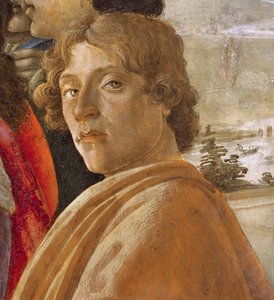
1445–1510, Itália
Sandro Botticelli
A Vida de Sandro Botticelli Sandro Botticelli viveu sua existência entre as ruas estreitas e movimentadas de Florença, na Itália. Nascido como Alessandro di Mariano di Vanni Filipepi por volta de 1445, ele era filho de um curtidor. Sua família habitava o bairro de Ognissanti, um lugar ao qual ele permaneceu profundamente ligado ao longo de seus anos. Com o tempo, ele passou a ser conhecido pelo nome de Botticelli, um apelido derivado da palavra botticello, que se refere a um pequeno barril ou tonel de vinho.
Também de Sandro Botticelli
 O Nascimento de Vênus1485
 Primavera1482
 Venus e Marte1483
 Adoração dos Magos
Ensaios sobre St. Jerome
 25 Masterpieces by Sandro Botticelli: The Ultimate Guide to Renaissance BeautyJourney through the ethereal beauty of Sandro Botticelli's greatest works. From The Birth of Venus to his mythic Renaissance masterpieces, …
 The Scholar and the Hermit: Examining the Iconography of Saint Jerome in Renaissance and Baroque ArtExplore the profound iconography of Saint Jerome through Renaissance and Baroque masters. Discover the secrets of sacred art history now.
 Master of Shadow: The Top 25 Essential Artworks by Jusepe de RiberaExplore 25 iconic works by Jusepe de Ribera. Master the drama of Baroque tenebrism. Discover all masterpieces on OriginalUniqueArt.com.