Hudson River School · 1855
Pompeii (Robert S. Duncanson, 1855)
Robert S. Duncanson (1821–1872) criou Pompeii. Data de 1855. Pertence ao movimento Hudson River School. É feito em Oil On Canvas. Está conservada no Smithsonian American Art Museum, em Washington, D.C., Estados Unidos da América. Mede 53 × 43 cm.
- 1855
- Oil On Canvas
- 53 × 43 cm
- Smithsonian American Art Museum, Washington, D.C.

 Visualizar na parede

 Pintura a Óleo Feita à Mão
 Compartilhar
 Compartilhar
 Ficha técnica


 Baixar imagem
 Semelhantes
 Raio X
 Ver diaporama
 Perguntas e Respostas

 Estatísticas
Pompeii, em resumo
- Título
- Pompeii
- Artista
- Robert S. Duncanson (1821–1872)
- Artista nascido em
- Fayette, Estados Unidos
- Data
- 1855
- Técnica
- Oil On Canvas
- Dimensões
- 53 × 43 cm
- Onde ver
- Smithsonian American Art Museum, Washington, D.C., Estados Unidos da América
- Movimento
- Hudson River School
- Período
- 19th Century
- Tema
- people, tower, boats, mountains, trees, bushes
O que Pompeii retrata?
Identification of the Artwork and Artist
The painting Pompeii is a work by the artist Robert Seldon Duncanson. Created in 1855, this oil on canvas captures a specific moment of stillness. The artist, born in Fayette, United States, in 1821, sought to translate the weight of history through the medium of paint. He lived until 1872.
Duncanson was a man of many layers, a pioneer of the American landscape. His hands moved from the practical work of carpentry to the delicate application of oil. He studied the light of the Old Masters to find his own way through the wilderness. This work emerged from that disciplined study.
The canvas holds a view of ancient ruins and a volcanic landscape. It is a quiet record of stone and sky. The brush traces the edges of a mountain and the silhouette of a tower. A stillness remains.
The Composition and Visual Elements
A large stone tower anchors the foreground, its heavy presence grounding the viewer amidst a mountainous landscape. Near this structure, a group of people gathers, their small forms providing a sense of scale against the ancient masonry. Scattered trees and bushes break the terrain, adding organic textures to the rugged earth. The eye is drawn from these immediate details toward the water, where several boats drift upon the surface.
In the distance, a second, smaller tower rises against the backdrop of the mountains. The composition relies on a receding perspective, layering the bay, the ruins, and the peaks to establish a deep sense of space. Light softens the distant mountains, creating an atmospheric veil over the volcanic landscape. The verticality of the stone structures contrasts with the horizontal stillness of the water. A quiet shadow falls across the rocks.
Technical Details and Artistic Style
The artist works in oil on canvas, layering pigment to build a sense of weight and light. Through the careful application of blending and glazing, smooth transitions emerge between the shadows of the ruins and the glow of the sky. This technique allows the colors to settle into one another, creating a soft, atmospheric depth. The composition relies on atmospheric perspective, where the clarity of the distant mountains and the volcano is softened by the intervening air, pushing the horizon far into the distance.
A tension exists between the geometric and the wild. The verticality of the central column and the rounded dome provide a linear structure that anchors the scene. These rigid, man-made forms contrast against the organic textures of the irregular rocks, the scattered foliage, and the drifting clouds. This marriage of the structured and the untamed is a hallmark of the Hudson River School and the Romanticism movement. The light does not merely illuminate; it defines the space, using tonal shifts to guide the eye from the foreground stones toward the hazy, volcanic peaks.
Thematic and Historical Context
The canvas captures a collision between the enduring earth and the fragile remnants of human endeavor. A single stone column rises from the terrain, a vertical ghost of classical architecture standing against a landscape of volcanic power. In the distance, the silhouette of a smoking volcano looms, a silent reminder of the geological forces that once buried this site. The composition places the scale of the natural world above the broken geometry of civilization, emphasizing a quiet tension between the permanence of mountains and the decay of stone.
This work explores the heavy weight of time through the lens of historical ruins. By situating human structures within a vast, untamed environment, the painting examines the relationship between the built world and the wild. The stillness of the scene suggests a moment of quiet contemplation regarding the passage of years and the inevitable reclamation of cities by the earth. It is a study of what remains when the pulse of a city has ceased, leaving only the mountains and the ash.
Related Works by the Artist
The artist’s hand often returned to the tension between the permanent and the fleeting. In 1870, he revisited the shadow of the volcano in Vesuvius and Pompeii. This later work echoes the geological power found in his earlier studies. He also captured the quietude of the pastoral in Landscape with Sheep. The animals move through a landscape that feels settled and still.
Earlier in his career, his focus shifted toward the intimate and the specific. He painted Roses Still Life in 1843, a study of delicate forms. In 1844, he turned his attention to the American terrain with Mt. Healthy, Ohio. These works reveal a painter navigating the transition from small, contained subjects to the vastness of the natural world. A single petal or a distant hill remains held in his gaze. The light settles on the earth and stays.
Em qual museu se encontra Pompeii?
Smithsonian American Art Museum
Washington, D.C., Estados Unidos da América
Uma Crônica da Identidade Americana O Smithsonian American Art Museum, localizado em Washington, D.C., é a primeira coleção de arte americana do país. Como parte da Smithsonian Institution, ele abriga uma das maiores e mais inclusivas coleções de arte produzida nos Estados Unidos. Seu acervo representa um registro contínuo da experiência americana, capturando as aspirações, o caráter e a imaginação do povo, desde o período colonial até os dias atuais.


Imagens em alta resolução de Pompeii
Robert S. Duncanson, Pompeii (1855), Smithsonian American Art Museum. Domínio público.
Perguntas sobre Pompeii respondidas
Onde posso ver a obra original "Pompeii", de Robert S. Duncanson?
"Pompeii", de Robert S. Duncanson está em exibição no Smithsonian American Art Museum, Washington, D.C., Estados Unidos da América. A referência ao museu diz respeito à obra original, não a reproduções.
Em que ano foi criado "Pompeii"?
"Pompeii", de Robert S. Duncanson foi criado em 1855.
Qual é a técnica utilizada em "Pompeii", de Robert S. Duncanson?
A técnica de "Pompeii", de Robert S. Duncanson é Oil On Canvas. As reproduções visam reproduzir a aparência desta técnica.
Quais são as dimensões da obra original "Pompeii", de Robert S. Duncanson?
"Pompeii" mede 53 x 43 cm em sua forma original. As dimensões originais são uma referência útil ao escolher o tamanho de uma reprodução.
O que representa "Pompeii"?
Os temas de "Pompeii" são people, tower, boats, mountains, trees, bushes, water.
A imagem de "Pompeii", de Robert S. Duncanson pode ser reproduzida livremente?
Quanto aos direitos autorais, "Pompeii" está em em domínio público — seus direitos autorais expiraram.
Quem é o artista por trás de "Pompeii"?
"Pompeii" foi criado por Robert S. Duncanson. As informações nesta página descrevem a obra original de Robert S. Duncanson.
A qual estilo pertence "Pompeii"?
"Pompeii" é uma obra do Hudson River School. O movimento indica a tradição artística da qual a obra faz parte.
A que período da carreira de Robert S. Duncanson pertence "Pompeii"?
"Pompeii" pertence ao Mature Period da carreira de Robert S. Duncanson. Esta classificação relaciona a obra ao desenvolvimento do artista.
Sobre o artista, Robert S. Duncanson
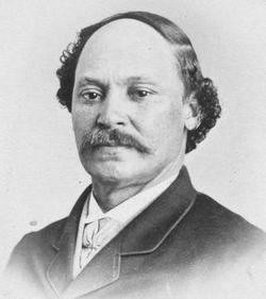
1821–1872, Estados Unidos
Robert S. Duncanson
A Pioneer of the American Landscape Robert Seldon Duncanson, um nome que ressoa com brilhantismo artístico e significado histórico, emergiu como uma figura central na arte americana do século XIX. Nascido por volta de 1821 em Fayetteville, Nova York, filho de pais de origem europeia e africana – seu pai, John Dean Duncanson, um comerciante negro livre que transmitiu valores de diligência e aprendizado – Duncanson navegou por um mundo marcado pelo preconceito racial, ao mesmo tempo em que alcançou reconhecimento internacional como pintor de paisagens. Sua jornada foi uma de autossuficiência, dedicação inabalável e uma profunda conexão com o mundo natural, estabelecendo-o finalmente como o primeiro artista afro-americano a alcançar ampla notoriedade tanto nos Estados Unidos quanto na Europa. A mudança da família para Monroe, Michigan, viu Robert aprendizado artesanalmente e trabalhando como pintor itinerante, revelando uma aptidão precoce para a arte que logo definiria seu caminho de vida.
Sobre Robert S. Duncanson Obras notáveis de Robert S. Duncanson
Também de Robert S. Duncanson
 Italianate Landscape1855
 Man Fishing1848
 The Drunkard's Plight, (painting)1846
 William Berthelet, (painting)1846
Ensaios sobre Pompeii
 Understanding Arte Povera and Pop Art: Two Different Responses to ModernityDiscover the core differences between Arte Povera and Pop Art through expert analysis. Explore these iconic movements now.
 Robert Seldon Duncanson: Landscape, Abolitionism & Shaping American IdentityDiscover Robert Seldon Duncanson, the first internationally acclaimed African American landscape artist. Explore his connection to the Huds…
 American Hudson River School paintersHudson River School painters like Frederic Edwin Church, Asher Brown Durand, and Sanford Robinson Gifford define American sublime art at Or…