

 Visualizar em escala
 Enviar
 Compartilhar
 Ver detalhes
 Guia de Obras do Aluno

 Baixar imagem
 Semelhantes
 Raio X
 Apresentação de slides
 Estatísticas
Toddy Tapper
 Acrílico sobre tela
- Arte de Parede
- Contemporary Realism
 1895
1895 The Raja Ravi Varma Heritage Foundation
 Ver mais
Reprodução em Óleo Feita à Mão
Óleo sobre tela pintado à mão no tamanho e moldura de sua escolha, feito sob encomenda pelos nossos artistas. ( Alternar para Impressão Ver Imagem Digital)




P118B €10

P118H €10

P118W €10

P438Z €10

P508JH €12

P508YH €12

P805H €10

P805Z €10

P919BZ €10

P919G €10

P919XJ €10

P959ZH €10

P968JZ €12

W106C €8

W218G €10

W218JH €8

W218Y €10

W307PJ €10

W316G €10

W316PJ €8

W316Y €10

W398PJ €8

W4111J €10

W500HY €15

W500JH €15

W692G €12

W849H €8

W940BG €15

W953PJ €8




Escolha entre os nossos tamanhos pré-definidos que respeitam as proporções originais da obra de arte.

Digite a largura e a altura de que necessita, para se ajustar à sua moldura ou à sua parede. Esta obra é pintada à mão, por isso, para um tamanho com uma proporção diferente, o artista pode pintar um pouco mais ao redor da imagem ou cortar um pouco — você escolhe. Enviamos-lhe uma maquete digital para aprovação antes de a pintura começar. A imagem exibida nesta página não mostra o resultado real — apenas a maquete mostra.
Após o pedido, a equipa OriginalUniqueArt.com enviará um e-mail ao cliente para solicitar instruções e fornecer uma prévia do esboço.
Entrega mundial () em 3 a 4 semanas, em vez das 5 semanas padrão. (24 Outubro). Sem comprometer a qualidade.

Envio expresso gratuito para todo o mundo

Tela de Linho Premium

Seguro de transporte total

Garantia de Reembolso de Impostos Alfandegários

Garantia de Fidelidade de Cor

Política de Devolução em 100 Dias (Apenas para Defeitos)

Garantia de reembolso de 100%

Desconto para múltiplas unidades
 A opção de vidro está disponível apenas para tamanhos inferiores a 110 cm

Toddy Tapper
Técnica de Reprodução
Dimensões da Reprodução
-


Preço Total
€ 263
Uma Jornada pela Alma da Índia Ocidentalizada
Este pequeno esboço por Ravi Varma captura um momento único na paisagem rural indiana de 1895, oferecendo uma visão fascinante sobre o processo criativo do artista e a influência das tradições europeias no mundo da pintura oriental. Mais do que apenas uma imagem, é um testemunho da busca pela beleza e pelo significado em um período de transformação cultural.- Título: Toddy Tapper (O Cozinheiro de Coco)
- Artista: Raja Ravi Varma
- Ano: 1895
- Localização Original: Não Especificada
Raja Ravi Varma, um nome que ecoa inovação artística na Índia, surgiu da linhagem principesca do Palácio de Kilimanjaro durante o século XIX. Nascido em 29 de abril de 1848, sua vida foi impregnada tanto pela tradição aristocrática quanto por uma alma intrinsecamente criativa. Ele não era apenas um pintor; ele era uma ponte cultural, habilmente combinando técnicas acadêmicas europeias com o rico tecido da mitologia hindu e estética. Sua família longa conexão com a Casa Real Travancore – de fato, duas de suas filhas foram posteriormente adotadas nessa mesma família – forneceu tanto privilégio quanto uma profunda compreensão da vida cortesã indiana, que influenciaria profundamente sua visão artística.
Estilo e Técnica: Uma Fusão Harmoniosa
A obra apresenta um estilo realista, caracterizado pela atenção meticulosa aos detalhes e pela busca por precisão anatômica. Ravi Varma empregou técnicas de pintura à óleo tradicionais da Escola Tanjore, incorporando elementos como o uso de cores vibrantes e camadas suaves para criar uma sensação de profundidade e textura. Apesar da influência europeia evidente na composição geral, a obra permanece fiel às raízes culturais indianas, refletindo valores estéticos importantes da época.Simbolismo e Narrativa: Uma Cena Rural Contada com Elegância
O esboço retrata uma cena rural que transmite uma mensagem poderosa sobre trabalho árduo, conexão com a natureza e o espírito comunitário. O homem representado está posicionado em frente à árvore de coco, simbolizando força física e determinação, enquanto o olhar atento para trás revela um profundo respeito pela tradição e pelo passado. Além disso, o trem ao fundo representa o progresso tecnológico e a abertura da Índia ao mundo ocidentalizado.Impacto Emocional: Uma Reflexão Sobre Beleza e Identidade
“Toddy Tapper” não é apenas uma pintura; é uma obra de arte que convida à contemplação e à reflexão sobre questões fundamentais relacionadas à beleza, à identidade nacional e à relação entre tradição e modernidade. Sua composição equilibrada e uso cuidadoso da luz criam uma atmosfera calma e inspiradora, capturando a essência da paisagem indiana e transmitindo uma sensação de nostalgia por um tempo passado.Este pequeno esboço por Ravi Varma captura um momento único na paisagem rural indiana de 1895, oferecendo uma visão fascinante sobre o processo criativo do artista e a influência das tradições europeias no mundo da pintura oriental. Mais do que apenas uma imagem, é um testemunho da busca pela beleza e pelo significado em um período de transformação cultural.
- Observações adicionais: Este trabalho demonstra uma compreensão profunda da cultura indiana e uma habilidade excepcional para transmitir emoções através da pintura à óleo. É uma peça essencial para qualquer coleção que aspire a celebrar o legado artístico da Índia no século XIX.
Perguntas e Respostas
"Toddy Tapper" apresenta contrastes fortes entre luz e sombra?
"Toddy Tapper" de Raja Ravi Varma apresenta um contraste Sereno entre suas áreas claras e escuras.
Posso encomendar uma reprodução a óleo de "Toddy Tapper"?
Cópias pintadas à mão de "Toddy Tapper" de Raja Ravi Varma são vendidas no este site: uma reprodução a óleo pintada à mão sobre tela de linho, encomendadas através da sua página Reprodução Pintada à Mão.
Que tom emocional acompanha o estilo Contemporary Realism de "Toddy Tapper"?
"Toddy Tapper" carrega um tom emocional Reflexivo dentro do movimento Contemporary Realism.
Biografia do Artista
The Princely Brush: Raja Ravi Varma and the Dawn of Modern Indian Painting
Raja Ravi Varma, a name that echoes through the halls of Indian art history, emerged from the opulent world of the Kilimanoor Palace in Kerala during the mid-19th century. More than simply a painter, he was a cultural architect, skillfully weaving together European academic techniques with the vibrant threads of Indian mythology and tradition. His lineage, tracing back to the royal family of Travancore – two of his daughters later becoming adopted members of that very house – provided him not only with privilege but also an intimate understanding of Indian courtly life, profoundly shaping his artistic vision. From a young age, Ravi Varma displayed an extraordinary aptitude for art, nurtured by his uncle, Raja Raja Varma, who introduced him to the world of drawing and painting, primarily within the established framework of the Tanjore School. Yet, Ravi Varma’s ambition stretched far beyond mere imitation; he yearned to master techniques that would allow him to capture not just likeness but also the very essence of emotion and narrative depth – a desire that set him apart from his contemporaries.A Fusion of Worlds: Technique and Inspiration
Ravi Varma's artistic journey took an extraordinary turn when he encountered the works of European masters, particularly during his travels and through interactions with British officials stationed in India. He was utterly captivated by the realism and technical precision of academic painting – the meticulous study of perspective, anatomy, light, and shadow. However, unlike many artists who simply adopted these styles wholesale, Varma ingeniously adapted them to serve distinctly Indian subjects. His canvases transformed into vibrant stages for scenes from the Ramayana, the Mahabharata, and the Puranas, populated by gods and goddesses rendered with a newfound naturalism that was both startlingly familiar and profoundly moving. He didn’t merely illustrate these ancient stories; he imbued them with human emotion, psychological complexity, and an almost palpable sense of drama. This revolutionary approach – blending European technical mastery with Indian mythological themes – marked a pivotal moment in the history of Indian art. Before Varma, depictions of deities often adhered to rigid, stylized conventions, prioritizing symbolic representation over emotional resonance. Ravi Varma dared to portray them as relatable figures—beautiful, powerful, and deeply human—capturing their essence with unprecedented sensitivity. His mastery of oil painting – a relatively new medium in India at the time – allowed him to achieve an astonishing level of detail and luminosity, further enhancing the emotional impact of his work. Consider, for example, *Hansa Damayanthi*, where the heroine’s longing gaze and delicate posture convey a depth of feeling previously unseen in Indian art. Similarly, *The Maharani of Travancore* exemplifies Varma's ability to capture not just outward appearance but also the inner character and regal bearing of his subject.Democratizing Art: Lithographs and Public Appeal
Recognizing that original paintings were largely inaccessible to the vast majority of Indians, Raja Ravi Varma took a bold step – establishing the Raja Ravi Varma Fine Arts Lithographic Press in 1894. This groundbreaking venture was more than just a business; it was an act of democratization, making art accessible to a wider audience than ever before. Through this press, he produced affordable lithographs based on his iconic paintings, transforming them into objects of widespread admiration and reverence. These weren’t simply reproductions; they were carefully crafted interpretations that captured the essence of Varma's originals – each detail meticulously rendered to convey the same sense of beauty, emotion, and spiritual depth. Suddenly, images of Hindu deities and mythological scenes adorned homes across India, becoming cherished symbols of cultural identity and religious devotion. The lithographs played a crucial role in fostering a greater appreciation for visual culture among all segments of Indian society, transcending social and economic barriers. This act of democratizing art not only expanded the reach of his work but also solidified his position as a truly public figure—his images becoming ubiquitous symbols of Indian identity and artistic achievement.Royal Patronage and Artistic Development
Ravi Varma’s early career was significantly shaped by royal patronage, beginning with his uncle, Raja Raja Varma, who recognized his exceptional talent and provided him with formal training in painting. He later served as a court artist for various princely states – Mewar, Baroda, and Mysore – gaining invaluable experience and exposure to diverse artistic traditions. His time at the Travancore court was particularly formative, allowing him to hone his skills and develop his unique style. The Governor’s Gold Medal at the Madras Fine Art Exhibition in 1873 for *Nair Lady Adorning Her Hair* marked a significant milestone, establishing him as a rising star in the Indian art world. His travels across India with his brother, Raja Varma, between 1888 and 1889, provided him with an unparalleled opportunity to study diverse cultures, gather models for his paintings, and broaden his artistic horizons. This period of extensive travel profoundly influenced his work, enriching its visual vocabulary and deepening its understanding of Indian society.Legacy and Enduring Influence
Raja Ravi Varma passed away in 1906, leaving behind a legacy that continues to inspire artists and shape the cultural landscape of India. His pioneering work not only transformed the course of Indian painting but also laid the foundation for modern Indian art. He challenged conventional norms, embraced innovation, and skillfully blended tradition with modernity—a testament to his artistic vision and enduring influence. Museums like The Raja Ravi Varma Heritage Foundation in Bangalore and The Ganesh Shivaswamy Foundation preserve and celebrate his legacy, ensuring that his profound contribution to Indian art remains accessible to future generations. His paintings – masterpieces of beauty, spirituality, and cultural richness – stand as powerful reminders of his genius and the transformative power of art.Exploring Varma’s World Today
For those seeking to delve deeper into the world of Raja Ravi Varma, numerous resources are available:- Explore artworks: Discover masterpieces like “Portrait of a Gentleman,” “Hansa Damayanthi,” and “The Maharani of Travancore” through online databases.
- Visit museums: Immerse yourself in Varma’s legacy at The Raja Ravi Varma Heritage Foundation, The Ganesh Shivaswamy Foundation, and the Kiran Nadar Museum of Art.
- Further research: Consult Wikipedia and Google Arts & Culture for detailed biographical information and scholarly insights.
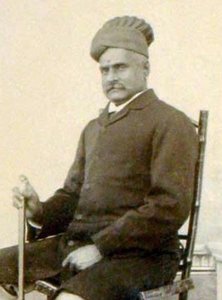
Raja Ravi Varma
1848 - 1906 , Índia
Informações Rápidas
- Artistic Movement Or Style: Fusion acadêmico/indiano
- Artists Or Movements Influenced By This Artist: ['Arte indiana moderna']
- Artists Who Influenced This Artist: ['Maestros europeus']
- Date Of Birth: 29 de abril de 1848
- Date Of Death: 2 de outubro de 1906
- Full Name: Raja Ravi Varma
- Nationality: Índio
- Notable Artworks:
- Hansa Damayanthi
- Maharani
- Shakuntala
- Place Of Birth: Kilimanoor, Índia
Artigos Relacionados
The Eloquent Line: Exploring the Artistic Significance of Sketches Across Movements and Media
Explore the profound artistic significance of sketches throughout history. From Renaissance masters to modern innovators like Van Gogh & Guston, discover how these foundational works reveal technique, emotion, and vision. Learn more at OriginalUniqueArt.

Raja Ravi Varma: Bridging Tradition & Modernity in 19th-Century Indian Art
Explore the life & art of Raja Ravi Varma, a pioneer who fused European techniques with Indian iconography. Discover his iconic paintings, lasting legacy, and influence on modern Indian art at OriginalUniqueArt.

Echoes of Rural Life: Nostalgia, Labor & Identity in Art History
Explore the rich history of rural life in art! Discover how Realism captured labor & identity through masterpieces by Van Gogh, Millet & more. Expert analysis for collectors and enthusiasts.
Cultivating Visions: Rural Life & Social Commentary in Art History
Explore the rich history of rural life in art! Discover masterpieces from Dutch Masters to Van Gogh & Courbet. Uncover artistic movements, social significance & expert collecting insights at OriginalUniqueArt.
Ephemeral Lines: Exploring Emotional Resonance in Ink Sketching Traditions
Explore the profound art of ink sketching! Discover techniques to express emotion, master line work, and cultivate artistic sensitivity. Learn from historical masters & unlock your creative potential.


