Art Nouveau Symbolism · 1900
Spring (Mikhail Vrubel, 1900)
Mikhail Vrubel (1856–1910) criou Spring. Data de 1900. Pertence ao movimento Art Nouveau Symbolism. É feito em Oil On Canvas. Está conservada no Art Museum Riga Bourse, em Riga, Letónia. Mede 34 × 45 cm.
- 1900
- Oil On Canvas
- 34 × 45 cm
- Art Museum Riga Bourse

 Visualizar na parede

 Pintura a Óleo Feita à Mão
 Compartilhar
 Compartilhar
 Ficha técnica


 Baixar imagem
 Semelhantes
 Raio X
 Ver diaporama
 Perguntas e Respostas

 Estatísticas
Spring, em resumo
- Título
- Spring
- Artista
- Mikhail Vrubel (1856–1910)
- Artista nascido em
- Omsk, Rússia
- Data
- 1900
- Técnica
- Oil On Canvas
- Dimensões
- 34 × 45 cm
- Onde ver
- Art Museum Riga Bourse, Riga, Letónia
- Movimento
- Art Nouveau Symbolism
- Período
- 19th Century
- Tema
- woman statue, clay sculpture, vrubel artwork, art nouveau, russian art, female figure
O que Spring retrata?
Mikhail Vrubel's "Spring": A Study in Melancholy Beauty
This exquisite hand-painted reproduction captures a poignant moment from Mikhail Vrubel’s iconic sculpture, “Spring,” created in 1900. The artwork immediately draws the viewer into a world of quiet contemplation, dominated by a female figure rendered with remarkable sensitivity and technical skill. The image presents a close-up view of a clay statue, meticulously painted in a rich tapestry of colors – blues, greens, and ochres – that evoke the very essence of springtime itself, yet tempered with an undeniable sense of sorrow.
A Symbolist Vision
Vrubel was a pivotal figure within the Russian Symbolist movement, deeply influenced by the burgeoning Art Nouveau style. His work frequently explored themes of spirituality, death, and beauty through highly stylized forms and evocative color palettes. “Spring,” like much of Vrubel’s oeuvre, is not simply a depiction of nature; it's an exploration of its transience – the fleeting joy of renewal juxtaposed with the inevitable decay that follows. The statue’s upward gaze suggests a yearning for something beyond the earthly realm, a common motif within Symbolist art.
Technique and Materiality
The sculpture itself, likely modeled in clay, demonstrates Vrubel's mastery of form and texture. The artist’s meticulous application of paint creates an illusion of depth and volume, highlighting the delicate curves of the figure’s body and the subtle nuances of her expression. The use of saturated colors – a hallmark of Vrubel’s style after his Venetian studies – adds to the work's dramatic intensity. The choice of clay as the primary material further emphasizes the artwork’s connection to the earth, reinforcing its symbolic link to rebirth and growth.
Historical Context and Legacy
Created in 1900, “Spring” reflects a period of significant artistic innovation in Russia. Vrubel's work gained considerable acclaim, particularly after his commission to recreate the mosaics in St. Cyril’s Church of Kyiv, an experience that profoundly shaped his artistic vision. The statue’s melancholic beauty resonates with broader anxieties about mortality and the passage of time – themes prevalent throughout Western European art at the turn of the 20th century. This reproduction offers a tangible connection to this pivotal moment in Russian art history, allowing you to appreciate Vrubel's genius firsthand.
Perfect for Interior Design & Art Collection
This hand-painted reproduction, measuring 34 x 45 cm, is an ideal addition to any interior space. Its evocative imagery and rich color palette will bring a touch of artistic sophistication to your home or office. A stunning piece for art collectors seeking unique Symbolist works, or for interior designers looking to create a contemplative and visually arresting atmosphere.
Em qual museu se encontra Spring?
Art Museum Riga Bourse
Riga, Letónia
Uma Joia do Renascimento Báltico: Art Museum Riga Bourse Aninhado no coração de Riga, na Letónia, o Art Museum Riga Bourse ergue-se como um testemunho tanto da ambição artística quanto da grandiosidade arquitetónica. Estabelecida em 1920, esta instituição não é meramente um repositório de arte; é uma crónica viva do intercâmbio cultural entre a Europa e a Ásia, acolhida num dos edifícios mais deslumbrantes do Leste Europeu. Desde as suas origens como uma movimentada bolsa de valores até ao seu papel atual como um centro vibrante de apreciação artística, o museu oferece aos visitantes uma jornada imersiva através de séculos de criatividade e design.


Imagens em alta resolução de Spring

Mikhail Vrubel, Spring (1900), Art Museum Riga Bourse. Domínio público.
Cores ajustadas à obra original por um especialista digital, o ficheiro finamente retocado e fiel às pinceladas do artista.
Adquira o ficheiro de alta resoluçãoPerguntas sobre Spring respondidas
Onde posso ver a obra original "Spring", de Mikhail Vrubel?
A obra original "Spring", de Mikhail Vrubel encontra-se no Art Museum Riga Bourse, Riga, Letónia. Uma reprodução permite que a obra seja exibida em sua casa.
Em que ano foi criado "Spring", de Mikhail Vrubel?
"Spring", de Mikhail Vrubel foi criado em 1900.
De que técnica é feita a obra "Spring"?
Mikhail Vrubel utilizou a técnica de Oil On Canvas para "Spring". A técnica define a natureza material da obra original.
Quais são as dimensões de "Spring", de Mikhail Vrubel na vida real?
A obra original "Spring", de Mikhail Vrubel mede 34 x 45 cm.
O que "Spring", de Mikhail Vrubel retrata?
Os temas de "Spring" são woman statue, clay sculpture, vrubel artwork, art nouveau, russian art, female figure, tabletop scene.
"Spring" está em domínio público?
"Spring", de Mikhail Vrubel está em em domínio público — seus direitos autorais expiraram. Este status determina como a imagem da obra pode ser reproduzida.
A qual artista "Spring" é atribuída?
"Spring" foi criado por Mikhail Vrubel. As informações nesta página descrevem a obra original de Mikhail Vrubel.
A qual estilo pertence "Spring"?
"Spring", de Mikhail Vrubel pertence ao movimento Art Nouveau Symbolism. Este movimento fornece o contexto estilístico da obra.
A que período da carreira de Mikhail Vrubel pertence "Spring"?
"Spring" pertence ao Late Period da carreira de Mikhail Vrubel. Esta classificação relaciona a obra ao desenvolvimento do artista.
Sobre o artista, Mikhail Vrubel

1856–1910, Rússia
Mikhail Vrubel
Os Primeiros Anos e a Academia Mikhail Vrubel nasceu em Omsk, na Rússia. Sua criação foi moldada por uma família de raízes nobres e um pai que servia ao exército. Embora tenha se graduado na faculdade de direito da Universidade de São Petersburgo em 1880, seu foco permaneceu na tela. Ele ingressou na Academia Imperial de Artes para estudar com Pavel Chistyakov, onde começou a desenvolver um estilo que se distanciava do realismo tradicional de seus contemporâneos.
Também de Mikhail Vrubel
 Princesa Cisne
 The Seated Demon
 Swan-Princess1904
 Persian Prince1886

Ensaios sobre Spring
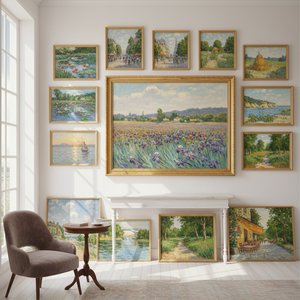 Paisagens Impressionistas Icônicas: 10 Obras que Mudaram a Arte | OriginalUniqueArtDescubra as 10 obras impressionistas que revolucionaram a arte! Explore Monet, Renoir e outros mestres da paisagem. Encontre reproduções de…
 The Art of Ceramics: A Guide to Mastery, Texture, and Timeless Form for the Discerning CollectorExplore the profound elegance of ceramic art. From master glazes to sculptural forms, our expert guide offers discerning collectors deep in…
 Beyond Symbolism: Exploring the Spiritual Landscapes of Mikalojus Konstantinas Čiurlionis's ArtExplore the captivating world of Mikalojus Konstantinas Čiurlionis, a pioneer of abstract art. Discover his unique blend of music and paint…