Expressionism · 1915
Marching (Marc Chagall, 1915)
Marc Chagall (1887–1985) criou Marching. Data de 1915. Pertence ao movimento Expressionism. É feito em Acrylic On Canvas.
- 1915
- Acrylic On Canvas

 Visualizar na parede

 Pintura a Óleo Feita à Mão
 Compartilhar
 Compartilhar
 Guia


 Baixar imagem
 Semelhantes
 Raio X
 Ver diaporama
 Perguntas e Respostas

 Estatísticas
Marching: o essencial
- Título
- Marching
- Artista
- Marc Chagall (1887–1985)
- Artista nascido em
- Liozna, Bielorrússia
- Data
- 1915
- Técnica
- Acrylic On Canvas
- Movimento
- Expressionism
- Tema
- uniform, roof, sky, clock, figures, folklore
O que Marching retrata?
A Symphony of Color and Memory: Exploring Marc Chagall's "I Am Alone"
Marc Chagall’s “I Am Alone,” painted in 1915, isn’t merely a depiction of solitude; it’s an embodiment of existential angst rendered in the breathtaking language of Expressionism. Created during the turbulent years preceding World War I—a period marked by anxieties about national identity and impending conflict—the painting transcends its immediate historical context to speak to universal themes of isolation and longing. It's housed in the Musée d'Orsay, Paris, a testament to Chagall’s enduring influence on modern art.- Subject Matter: The canvas portrays a man standing alone on a rooftop amidst a swirling panorama of fantastical figures—a woman with outstretched arms, a child perched precariously on the edge of the roof, and several other stylized individuals drifting upwards into the heavens.
- Style: Chagall’s style is unmistakably Expressionist. Rejecting representational accuracy in favor of emotional intensity, he employs bold colors—primarily yellows, blues, and reds—to convey mood and feeling rather than to faithfully reproduce reality. The figures themselves are distorted and stylized, imbued with a dreamlike quality that defies logical interpretation.
Technique: Bold Brushstrokes and Layered Color
Chagall’s technique is characterized by thick, impasto brushstrokes—meaning the paint is applied in layers so thickly that it stands up prominently from the surface of the canvas. This textural approach contributes significantly to the painting's dramatic impact, creating a palpable sense of movement and conveying the artist’s emotional state directly onto the artwork. The colors are blended strategically to create luminous washes and vibrant accents, enhancing the overall visual richness.- Color Palette: The dominant hues—golden yellows symbolizing warmth and optimism juxtaposed with deep blues representing melancholy and uncertainty—are deliberately chosen to evoke specific emotions. Chagall’s masterful use of color underscores the painting's psychological depth.
- Composition: The rooftop setting serves as a focal point, anchoring the swirling figures and emphasizing the man’s isolation. The upward trajectory of the figures symbolizes aspiration but also hints at vulnerability—a yearning for connection amidst overwhelming circumstances.
Symbolism: Folklore and Existential Concerns
“I Am Alone” is replete with symbolic references drawn from Jewish folklore and Kabbalah—the mystical tradition of Judaism. The woman with outstretched arms represents compassion and maternal care, while the child symbolizes innocence and vulnerability. The swirling figures embody the chaotic forces of fate and the anxieties surrounding impending war. More broadly, the painting explores profound existential questions about human existence—questions concerning identity, purpose, and the inevitability of suffering.Ultimately, Chagall’s “I Am Alone” transcends its historical origins to resonate with viewers across generations. It's a hauntingly beautiful meditation on solitude, loss, and the enduring quest for meaning—a masterpiece that continues to inspire awe and provoke contemplation decades after its creation.
Marching em alta resolução

Protegida por direitos de autor: a imagem é apresentada apenas para fins de referência.
Mais tamanhos, cortes e citações →Marc Chagall, Marching (1915).
Perguntas sobre Marching
"Marching" apresenta contrastes fortes entre luz e sombra?
"Marching", de Marc Chagall apresenta um contraste Statement entre suas áreas claras e escuras.
"Marching", de Marc Chagall é uma obra de tons claros ou escuros?
"Marching" apresenta um brilho geral de bright, com uma luminância de Bright Balance.
O que "Marching", de Marc Chagall retrata e qual é a sua atmosfera?
"Marching", de Marc Chagall retrata uniform, roof, sky, clock, figures, folklore, dreams, em uma atmosfera Romantic. O tema e a ambientação descrevem, juntos, a obra.
Quantas pessoas visualizam "Marching"?
As estatísticas sobre "Marching", de Marc Chagall encontram-se na página de Estatísticas da obra: visitas mensais da obra, visitas às obras do artista e o detalhamento por país e idioma dos visitantes recentes.
Qual ambiente combina com as cores de "Marching", de Marc Chagall?
A paleta de cores Earthy de "Marching", de Marc Chagall harmoniza perfeitamente com o ambiente recomendado: um(a) Living Room.
De qual país é a obra do Expressionism "Marching"?
A obra do Expressionism "Marching" foi criada por um artista nascido em Bielorrússia.
Que tom emocional acompanha o estilo Expressionism de "Marching"?
A emoção Melancholic de "Marching" acompanha seu estilo Expressionism.
Por que o status de direitos autorais de "Marching" é como é?
"Marching", de Marc Chagall está em ainda protegido por direitos autorais. O período de direitos autorais conta a partir do falecimento do artista, ocorrido em 1985.
Em que parte da casa uma reprodução de "Marching" ficaria bem?
"Marching", de Marc Chagall é recomendado para um(a) Living Room. Esta sugestão baseia-se no tema, nas cores e na atmosfera da obra.
Sobre o artista, Marc Chagall
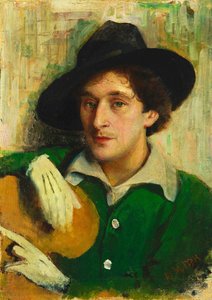
1887–1985, Bielorrússia
Marc Chagall
Vida Inicial, Família e Formação Marc Chagall chega ao mundo em 7 de julho de 1887, em Vitebsk, no Império Russo, nascido como Moishe Segal. Ele é o primeiro de nove filhos de uma modesta família judaica. Sua vida é definida pelos ritmos do trabalho e do pequeno comércio; seu pai, Khatskel Segal, trabalha como conservador de arenque em um armazém, enquanto sua mãe, Feïga-Ita Tchernina, administra uma pequena mercearia. Estes primeiros anos estão enraizados nas texturas específicas de uma cidade provincial, onde os limites de seu mundo são moldados pelas necessidades de um numeroso lar e pelas tradições de sua comunidade.
Também de Marc Chagall
 Eu e a Vila1911
 Crucificação Branca1938
 O Aniversário1915
 Sobre a cidade1918
Ensaios sobre Marching
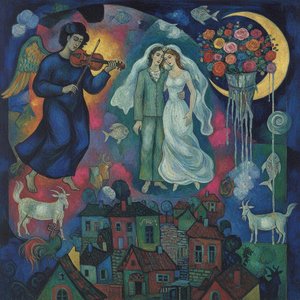 Marc Chagall’s Masterpieces: Exploring the Magic, Color, and Surrealist Legacy of a Modernist IconEmbark on a journey through the dreamlike masterpieces of Marc Chagall. Explore the profound symbolism and vibrant colors of this Surrealis…
 The Language of Brushstrokes: How Artistic Technique Expresses Emotion and EraExplore the profound connection between artistic technique and emotion. From the heavy impasto of Van Gogh to classical mastery, learn how …
 Dreaming in Color: The 25 Most Iconic Masterpieces by Marc ChagallStep into the dreamlike world of Marc Chagall. Explore 25 iconic masterpieces, from vibrant surrealist tales to soulful folklore. Find insp…