Work, Work, Work (Thérèse Lessore)
Thérèse Lessore (1884–1945) criou Work, Work, Work. Mede 66 × 40 cm.
- 66 × 40 cm

 Visualizar na parede

 Pintura a Óleo Feita à Mão
 Compartilhar
 Compartilhar
 Guia


 Baixar imagem
 Semelhantes
 Raio X
 Ver diaporama
 Perguntas e Respostas

 Estatísticas
Work, Work, Work: o essencial
- Título
- Work, Work, Work
- Artista
- Thérèse Lessore (1884–1945)
- Artista nascido em
- Southwick, United Kingdom
- Dimensões
- 66 × 40 cm
Work, Work, Work em alta resolução
Thérèse Lessore, Work, Work, Work. Domínio público.
Um especialista digital verifica as cores em relação à pintura original e retoca o ficheiro, respeitando fielmente a pincelada do artista.
Comprar a imagem em alta resoluçãoPerguntas sobre Work, Work, Work
Quais são as dimensões da obra original "Work, Work, Work"?
As dimensões registradas de "Work, Work, Work", de Thérèse Lessore são 66 x 40 cm. Reproduções podem ser encomendadas em outros tamanhos, mantendo as mesmas proporções.
"Work, Work, Work", de Thérèse Lessore está em domínio público?
Quanto aos direitos autorais, "Work, Work, Work" está em em domínio público — seus direitos autorais expiraram.
A qual artista "Work, Work, Work" é atribuída?
"Work, Work, Work" é atribuída a Thérèse Lessore.
Por que o status de direitos autorais de "Work, Work, Work" é como é?
O status de direitos autorais de "Work, Work, Work" - em domínio público — seus direitos autorais expiraram - decorre do falecimento do artista em 1945.
Sobre o artista, Thérèse Lessore
1884–1945, United Kingdom
Thérèse Lessore
Thérèse Lessore: A Quiet Observer of Bloomsbury Beauty Thérèse Lessore (1884 – 1945) was a British artist whose distinctive watercolor paintings and collaborative designs for Wedgwood pottery cemented her place as a significant figure in the artistic landscape of the early twentieth century. Born in Southwick, West Sussex, she inherited an artistic lineage stretching back to Jules Frédéric Lessore, her father—a French painter who had established himself in England—and his wife Ada Louise Cooper. Her family’s connections to Wedgwood and its celebrated designers further shaped her creative vision, fostering a fascination with decorative arts alongside her passion for capturing the subtleties of human experience. Her formative years were marked by exposure to artistic excellence; she attended the Slade School of Fine Art from 1904 to 1909, where she honed her skills and earned the prestigious Melville Nettleship Prize for figure composition.
Também de Thérèse Lessore
 Saturday Evening1920
 Circus at Bath
 Walcot Street from Hedgemead, Bath1942
 Islington Circus
Ensaios sobre Work, Work, Work
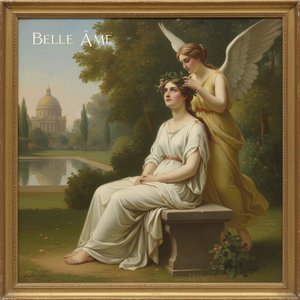 Jules Lefebvre: Master of Academic Realism & the Pursuit of Belle ÂmeExplore the captivating figure paintings of Jules Lefebvre (1836-1911), a renowned French academic artist and educator. Discover his master…
 Realismo Acadêmico: 10 Obras-Primas que Moldaram a História da Arte | OriginalUniqueArtDescubra as 10 obras-primas do Realismo Acadêmico que revolucionaram a arte! Explore Bouguereau, Gérôme e Cabanel. Reproduções de alta qual…
 Top 10 Obras de Arte com Vibração Industrial | OriginalUniqueArt.comDescubra 10 obras de arte icônicas que capturam a atmosfera industrial! Explore Monet, Manet e outros mestres do Impressionismo e Realismo.…