Fauvism · 1923
Nude (André Derain, 1923)
André Derain (1880–1954) criou Nude. Data de 1923. Pertence ao movimento Fauvism. É feito em Oil On Canvas. Mede 44 × 58 cm.
- 1923
- Oil On Canvas
- 44 × 58 cm

 Visualizar na parede

 Pintura a Óleo Feita à Mão
 Compartilhar
 Compartilhar
 Ficha técnica


 Baixar imagem
 Semelhantes
 Raio X
 Ver diaporama
 Perguntas e Respostas

 Estatísticas
Nude, em resumo
- Título
- Nude
- Artista
- André Derain (1880–1954)
- Artista nascido em
- Chatou, França
- Data
- 1923
- Técnica
- Oil On Canvas
- Dimensões
- 44 × 58 cm
- Movimento
- Fauvism
- Período
- Modern
- Tema
- woman, nude, female figure, grayscale, seated woman
O que Nude retrata?
Identification of the Nude by André Derain
In this 1923 work, titled Nude, André Derain turns his attention to the quietude of the human form. The painting presents a nude female figure, captured in a moment of stillness that invites a closer, more intimate observation. It is a study of presence and form, rendered with a focus on the essential character of the subject.
The artist, André Derain, approaches the figure with a sense of restraint. Rather than relying on the loud, unmixed hues of his earlier Fauvist period, this piece reflects a more disciplined sensibility. The subject is seated and facing forward, occupying the central space of the composition. There is a certain gravity to her pose, suggesting a state of introspection or perhaps a quiet contemplation of her surroundings.
This work belongs to a period in the artist's career where structure and form began to take precedence. The figure is defined by simplified shapes and a deliberate use of line. It is a direct encounter with the subject, stripped of unnecessary distraction, allowing the viewer to focus entirely on the weight and volume of the female form as it exists within the frame.
Composition and Visual Elements
The figure is centrally positioned within the frame, creating a quiet sense of balance that draws the eye immediately to the subject. She is seated in a moment of stillness, her pose defined by arms crossed and resting upon her legs. This arrangement suggests a state of introspection or perhaps a simple, unhurried relaxation. The composition avoids complex spatial arrangements, opting instead for a relatively flat perspective that lacks a strong sense of depth, keeping the viewer's attention fixed on the immediate presence of the form.
There is a deliberate simplification in how the human form is rendered. The artist employs simplified geometric shapes to represent the body, using curves to trace the silhouette while sharper angles define the features of the face, such as the nose and eyebrows. This structural approach gives the figure a certain weight and presence despite the lack of environmental detail. The background remains largely undefined, which serves to isolate the subject and emphasize the contours of her body.
The palette is strictly monochromatic, relying on a controlled range of shades including gray, white, and black. Rather than using color to create volume, the artist uses subtle variations in tone to model the figure. Strong, visible brushstrokes define the contours of the body and the facial features. These lines are not blended into smooth transitions; instead, they retain an individual character that adds a tactile energy to the surface. The interplay between these textured strokes and the softer areas of the skin creates a visual rhythm that is both disciplined and expressive.
Technique and Material Details
This work is an oil on canvas, executed with a deliberate and tactile approach to the medium. The artist employs visible brushstrokes that remain unblended in many areas, creating a surface defined by its physical texture. These marks are not merely marks of application but are essential to the structural definition of the figure, providing a sense of energy and movement across the form.
There is a clear evidence of layering and careful blending used to achieve subtle tonal variations. This technique allows for a nuanced transition between light and shadow, giving the subject a sense of volume and presence. The interplay of these layers creates a depth that relies on the weight of the paint rather than a reliance on linear perspective. The result is a surface where the materiality of the oil paint is as much a part of the composition as the subject itself.
Imagens em alta resolução de Nude

André Derain, Nude (1923). Domínio público.
Cores ajustadas à obra original por um especialista digital, o ficheiro finamente retocado e fiel às pinceladas do artista.
Adquira o ficheiro de alta resoluçãoPerguntas sobre Nude respondidas
Em que ano foi criada a obra "Nude", de André Derain?
"Nude", de André Derain foi criado em 1923.
Qual é a técnica utilizada em "Nude", de André Derain?
"Nude" é executada em Oil On Canvas.
Quais são as dimensões da obra original "Nude"?
"Nude" mede 44 x 58 cm em sua forma original. As dimensões originais são uma referência útil ao escolher o tamanho de uma reprodução.
Quais temas aparecem em "Nude", de André Derain?
Os temas presentes em "Nude", de André Derain incluem woman, nude, female figure, grayscale, seated woman. Juntos, eles sintetizam o assunto da obra.
A imagem de "Nude", de André Derain pode ser reproduzida livremente?
"Nude", de André Derain está em em domínio público — seus direitos autorais expiraram. Este status determina como a imagem da obra pode ser reproduzida.
Quem é o artista por trás de "Nude"?
"Nude" é atribuída a André Derain.
A qual movimento artístico "Nude", de André Derain pertence?
"Nude" é uma obra do Fauvism. O movimento indica a tradição artística da qual a obra faz parte.
A que período da carreira de André Derain pertence "Nude"?
Dentro da trajetória de André Derain, "Nude" pertence ao período Return to order. Esta fase permite compará-la com outras obras do artista.
Qual era a idade de André Derain ao criar "Nude" em 1923?
Quando "Nude" foi criada em 1923, André Derain — nascido(a) em 1880 — tinha 43 anos.
Sobre o artista, André Derain
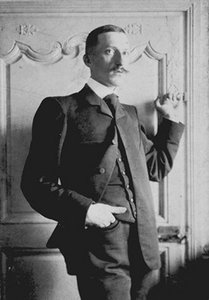
1880–1954, França
André Derain
Juventude, Família e Formação No ano de 1880, André Derain chegou ao mundo em Chatou, uma vila aninhada na região de Yvelines, na França. Seus primeiros anos foram moldados pelas paisagens serenas da Île-de-France, onde uma curiosidade natural pelo que o rodeava começou a criar raízes. Já em 1895, ele havia iniciado seus estudos de forma autodidata, buscando compreender o mundo visual através de seus próprios olhos, em vez de seguir uma instrução formal. Este período de exploração autônoma permitiu que ele desenvolvesse uma forma pessoal de enxergar, antes que o rigor de uma academia pudesse impor sua vontade sobre sua visão artística.
Também de André Derain
 bathers1907
 London Bridge1906
 Charing Cross from sw1906
 Landscape at L'Estaque1906
Ensaios sobre Nude
 French artworks of the 1920sIconic French works by Matisse and Léger define the 1920s. Explore the full collection online at OriginalUniqueArt.com.
 The Evolving Human Form: Tracing Light and Flesh from Impressionism to Post-ImpressionismExplore the evolution of the human form from academic realism to Post-Impressionism. Trace the history of light and flesh with us.
 The Architecture of Stillness: A Curated Study of Seated Figures in Art HistoryExplore the psychological depth of seated figures from Rembrandt to Roman realism. Discover the secrets of art history now.