Geometric Abstraction · 1954
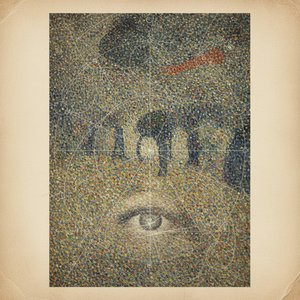
Study for the (Fernand Léger, 1954)
Fernand Léger (1881–1955) criou Study for the . Data de 1954. Pertence ao movimento Geometric Abstraction. É feito em Acrylic On Canvas. Está conservada no Museu do Caramulo, em Caramulo, Portugal. Mede 38 × 44 cm.
- 1954
- Acrylic On Canvas
- 38 × 44 cm
- Museu do Caramulo

 Visualizar na parede

 Pintura a Óleo Feita à Mão
 Compartilhar
 Compartilhar
 Ficha técnica


 Baixar imagem
 Semelhantes
 Raio X
 Ver diaporama
 Perguntas e Respostas

 Estatísticas
Study for the , em resumo
- Título
- Study for the
- Artista
- Fernand Léger (1881–1955)
- Artista nascido em
- Argentan, França
- Data
- 1954
- Técnica
- Acrylic On Canvas
- Dimensões
- 38 × 44 cm
- Onde ver
- Museu do Caramulo, Caramulo, Portugal
- Movimento
- Geometric Abstraction
- Tema
- musical performance, geometric forms, modern landscape, instrument ensemble, urban scene, animal presence
O que Study for the retrata?
A Symphony of Form and Feeling: Exploring Fernand Léger’s “Study for Breakfast”
Fernand Léger's "Study for Breakfast," completed in 1954, transcends mere representation; it embodies the very spirit of Pointillism—a technique championed by Georges Seurat and embraced wholeheartedly by Léger as a means to convey dynamism and immediacy. This unassuming landscape isn’t simply depicted as it appears before our eyes; instead, Léger meticulously constructs it from countless tiny dots of pigment, creating an illusion of depth and texture that defies conventional painting methods. The resulting image pulsates with energy, mirroring the rhythms of daily life—a quiet morning scene rendered with astonishing precision. It's a masterful demonstration of how abstraction can serve as a conduit for emotion and observation simultaneously.- Style: Pointillism – Léger’s signature style prioritizes optical mixing over blending pigments on canvas, resulting in vibrant hues that shimmer and shift subtly under the light.
- Technique: Léger employed a painstaking process of applying dots of color—typically yellow, red, and blue—to build up layers of tonal variation. This method demanded immense patience and meticulous attention to detail, reflecting Léger’s unwavering commitment to his artistic vision.
Historical Context: Embracing Modernity Amidst Postwar Uncertainty
Created in the aftermath of World War II, “Study for Breakfast” speaks to a broader cultural preoccupation with rebuilding and redefining beauty after devastation. Léger’s stylistic choices—the geometric abstraction and the deliberate fragmentation of form—were deliberately antithetical to the prevailing artistic trends of his time, signaling a rejection of Impressionism's focus on fleeting sensations and an embrace of the machine age’s influence on visual perception. This bold stance positioned Léger as a pioneer of abstract expressionism, anticipating developments that would reshape the landscape of 20th-century art.Symbolic Resonance: The Quiet Power of Observation
Despite its apparent simplicity, “Study for Breakfast” is laden with symbolic significance. Léger’s use of dots—representing individual particles and conveying movement—suggests a fascination with scientific principles and an attempt to capture the underlying order of nature. The muted palette contributes to a mood of contemplative serenity, inviting viewers to contemplate the beauty found in everyday moments. It's a subtle reminder that even amidst turbulent times, art can offer solace and inspire wonder.Emotional Impact: Capturing Essence Through Precision
Ultimately, Léger’s “Study for Breakfast” succeeds in conveying an emotional resonance far exceeding its visual surface. The artist doesn’t aim to evoke sentimental feelings but rather to distill the essence of a scene—the feeling of warmth, light, and stillness—into a meticulously crafted composition. This achievement underscores Léger's profound understanding of how abstraction can communicate complex ideas and sensations with remarkable effectiveness. It remains an enduring testament to his artistic genius and a captivating example of Pointillist artistry.Em qual museu se encontra Study for the ?
Museu do Caramulo
Caramulo, Portugal
Uma Sinfonia de Aço e Alma Aninhado nas colinas verdes e ondulantes da Serra do Caramulo, no centro de Portugal, o Museu do Caramulo emerge como um paradoxo deslumbrante, um santuário onde a precisão da engenharia mecânica encontra a profundidade profunda da criatividade humana. Este não é meramente um repositório de relíquias; é um diálogo vivo entre dois mundos aparentemente díspares. Fundado pelos visionários irmãos Abel e João de Lacerda, o museu ergue-se como um testemunho de uma paixão partilhada que recusou ver fronteiras entre o rugido de um motor e a graça silenciosa de uma pincelada.


Imagens em alta resolução de Study for the

Fernand Léger, Study for the (1954), Museu do Caramulo. Domínio público.
Perguntas sobre Study for the respondidas
Onde "Study for the", de Fernand Léger está em exibição hoje?
A obra original "Study for the", de Fernand Léger encontra-se no Museu do Caramulo. Uma reprodução permite que a obra seja exibida em sua casa.
Em que ano foi criado "Study for the"?
"Study for the", de Fernand Léger foi criado em 1954.
Qual é a técnica utilizada em "Study for the", de Fernand Léger?
A técnica de "Study for the", de Fernand Léger é Acrylic On Canvas. As reproduções visam reproduzir a aparência desta técnica.
Quais são as dimensões da obra original "Study for the", de Fernand Léger?
"Study for the" mede 38 x 44 cm em sua forma original. As dimensões originais são uma referência útil ao escolher o tamanho de uma reprodução.
O que representa "Study for the"?
Os temas de "Study for the" são musical performance, geometric forms, modern landscape, instrument ensemble, urban scene, animal presence, domestic setting, pointillism technique.
"Study for the" está em domínio público?
Informação de direitos autorais para "Study for the", de Fernand Léger: a obra está em em domínio público — seus direitos autorais expiraram. Isso determina se reproduções da imagem podem ser feitas livremente.
Quem é o artista por trás de "Study for the"?
"Study for the" é atribuída a Fernand Léger.
A qual movimento artístico "Study for the", de Fernand Léger pertence?
"Study for the", de Fernand Léger pertence ao movimento Geometric Abstraction. Este movimento fornece o contexto estilístico da obra.
A que período da carreira de Fernand Léger pertence "Study for the"?
"Study for the" pertence ao Mature Period da carreira de Fernand Léger. Esta classificação relaciona a obra ao desenvolvimento do artista.
Sobre o artista, Fernand Léger

1881–1955, França
Fernand Léger
A Vida de Fernand Léger A história de Fernand Léger começa na aldeia de Argentan, situada na região de Orne, na Baixa Normandia. Ele chegou a este mundo em 4 de fevereiro de 1881, como filho único. Seus primeiros anos foram moldados pela quietude do campo francês e pela presença de sua mãe, Marie-Adèle Daunou. Seu pai, um homem que ganhava a vida como criador de gado, faleceu quando Fernand ainda era apenas um menino, deixando a criança para ser criada pela mãe em um lar marcado pela piedade e por uma certa natureza humilde.
Também de Fernand Léger
 A Cidade1919
 O Mecânico1920
 Três Mulheres1921
 Nudes na Floresta1910

Ensaios sobre Study for the
 Top 10 Obras de Arte com Vibração Industrial | OriginalUniqueArt.comDescubra 10 obras de arte icônicas que capturam a atmosfera industrial! Explore Monet, Manet e outros mestres do Impressionismo e Realismo.…
 Georges Seurat: Pointillism, Perception & the Scientific Foundations of Modern ArtExplore the revolutionary art of Georges Seurat and the science behind Pointillism. Discover chromoluminarism, optical mixing, and the last…
 Mastering the Machine Age: The Top 25 Fernand Léger ArtworksImmerse yourself in the vibrant world of Fernand Léger. Explore 25 iconic masterpieces of Cubism and Tubism, from bold geometric forms to m…