Flemish Baroque · 1649
Falconry (Jacques D'Arthois, 1649)
Jacques D'Arthois (1613–1686) criou Falconry. Data de 1649. Pertence ao movimento Flemish Baroque. É feito em Oil On Canvas. Está conservada no Bavarian State Painting Collections, em Munique, Alemanha. Mede 135 × 206 cm.
- 1649
- Oil On Canvas
- 135 × 206 cm
- Bavarian State Painting Collections, Munique

 Visualizar na parede

 Pintura a Óleo Feita à Mão
 Compartilhar
 Compartilhar
 Ficha técnica


 Baixar imagem
 Semelhantes
 Raio X
 Ver diaporama
 Perguntas e Respostas

 Estatísticas
Falconry, em resumo
- Título
- Falconry
- Artista
- Jacques D'Arthois (1613–1686)
- Artista nascido em
- Bruxelas, Bélgica
- Data
- 1649
- Técnica
- Oil On Canvas
- Dimensões
- 135 × 206 cm
- Onde ver
- Bavarian State Painting Collections, Munique, Alemanha
- Movimento
- Flemish Baroque
- Período
- Early Modern
- Tema
- people, horse, tree, forest, sky, landscape
O que Falconry retrata?
The Depiction of Falconry by Jacques D' Arthois
In Falconry by Jacques D' Arthois, a classical hunting scene unfolds within a dense, shadowed woodland. The air feels heavy with the anticipation of the chase as figures on horseback and on foot move through a clearing. They push toward a distant landscape, their presence cutting through the thick vegetation. This moment captures the very essence of the pursuit, where the stillness of the forest meets the sudden movement of the hunt. It is a scene that speaks to the ancient connection between nobility and the wild, placing the viewer directly into the heart of the action.
Painted about 1649, the work focuses on the tension inherent in the hunt. The figures navigate the undulating terrain, their forms silhouetted against the light of the clearing. There is a sense of purpose in their movement, a drive that mirrors the natural instincts of the animals involved. The landscape itself seems to participate in the drama, with overhanging trees framing the central activity and directing the eye toward the unfolding event. Nature is not merely a backdrop here; it is an active participant in the pursuit, providing both the stage and the obstacles for the hunters.
The subject matter reaches beyond a simple depiction of sport to touch upon deeper themes of nature and the structured life of the nobility. Every movement in the clearing suggests a world governed by the rules of the hunt and the rhythms of the forest. As the figures advance, the tension of the chase lingers in the air, leaving one to wonder what lies just beyond the next thicket of trees. The scene remains suspended in this state of motion, caught between the quiet of the woods and the sudden energy of the hunt.
Composition and Visual Elements of the Work
The scene unfolds within a dramatic, large-scale landscape where the eye is immediately drawn into the heart of the woods. Massive, dark trees overhang the foreground on both the left and right sides, acting as a natural frame that pushes the viewer's gaze toward the center of the action. These heavy, shadowed branches create a sense of enclosure, making the clearing ahead feel like a stage set for the hunt. In the mid-ground, the stillness of the forest is broken by a group of figures moving through the light. Some ride upon horseback while others travel on foot, all navigating the undulating terrain as they push toward the horizon.
A monochromatic palette of grayscale tones defines the entire vista, stripping away color to focus entirely on the interplay of light and shadow. The light descends from the upper center, casting long, sweeping shadows across the forest floor and highlighting the movement of the hunters. This celestial glow creates a profound sense of depth through atmospheric perspective. As the eye travels toward the background, the distant hills and trees lose their sharp edges, becoming lighter and increasingly less detailed as they recede into the misty distance.
Technique and Material Composition
The scene unfolds through the medium of oil on canvas, where every stroke works to build a sense of tangible reality. The artist employs chiaroscuro to manipulate light and shadow, casting deep, dark tones into the recesses of the foliage to create a profound sense of volume and drama. This interplay of light and dark guides the eye through the woodland, making the figures and the terrain feel heavy and present within the space.
Fine brushwork brings a remarkable level of detail to the surface, allowing the viewer to feel the textures of the natural world. The rough, rugged bark of the overhanging trees in the foreground contrasts sharply with the soft, billowing forms of the clouds drifting through the sky. Even the distant hills benefit from this meticulous application, as atmospheric perspective lightens the landscape to suggest a vast, receding distance. Every element, from the organic curves of the tree trunks to the undulating earth, is rendered with a precision that breathes life into the monochromatic landscape.
The Artistic Style of Jacques D' Arthois
The brushstrokes reveal a man deeply attuned to the quiet rhythms of the forest. In this work, the landscape does not merely exist; it breathes with an idealized harmony that seeks to find peace within the wild. The woods around Brussels provide the essential soul for such scenes, offering a lush, verdant stage where nature feels both untamed and perfectly balanced. Every thicket and clearing seems to hold a sense of stillness, as if the world has paused to observe the movement of the hunt.
A particular mastery emerges in the way the light clings to the organic textures of the woodland. The tree trunks, heavy and ancient, are rendered with a tactile precision that invites the eye to wander over every ridge of bark. There is a specific, delicate skill in the way moss and ivy cling to these wooden pillars, adding layers of life to the stationary giants. These creeping greens and soft textures create a sense of depth, making the forest feel like a living, breathing entity rather than a mere backdrop for the figures passing through it.
The composition relies on a careful interplay between the dense, shadowed foliage of the foreground and the lighter, more open spaces of the mid-ground. This creates a natural rhythm that guides the eye through the thickets. The figures move through the clearing not as intruders, but as part of a larger, harmonious cycle of life. The interplay of light and shadow gives the scene a weight and volume that makes the atmosphere feel palpable, as if the very air of the Belgian countryside is caught within the frame.
The Artistic Influence and Legacy of D' Arthois
The echoes of his brushwork ripple through the history of Flemish landscape painting. As one of the few landscape painters from Brussels during the 17th century, he holds a singular position in the artistic landscape of his time. His presence in the art world is felt through the many hands that seek to replicate his vision. His style is not a solitary note but a melody that many other landscape artists choose to follow, imitating his specific approach to the natural world. This imitation ensures that his aesthetic remains a recurring theme in the evolution of the genre.
His fame does not fade with the passing of centuries. Instead, his reputation remains remembered, a lingering presence in the annals of art history. The way he captures the essence of the woods and the movement of figures creates a standard that others strive to meet. His influence is a quiet, persistent force, shaping how subsequent generations perceive the interplay of light and shadow within a wooded setting. He remains a vital link in the development of the Flemish tradition, leaving a mark that continues to be recognized long after his era has passed.
Em qual museu se encontra Falconry?
Bavarian State Painting Collections
Munique, Alemanha
O Legado das Bavarian State Painting Collections As Bavarian State Painting Collections, situadas em Munique, na Alemanha, iniciaram a sua história institucional em 1799, sob a designação de Centralgemäldegaleriedirektion. Este alicerce estabeleceu um quadro fundamental para a preservação da arte europeia, moldando de forma indelével a paisagem cultural da cidade. As origens desta coleção remontam ao século XVI, com acervos significativos que datam do período de Guilherme IV (1508-1550), revelando uma profundidade histórica que atravessa gerações.
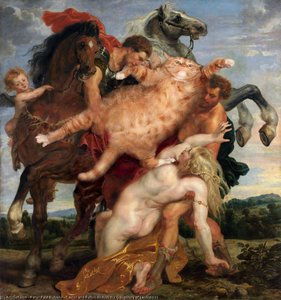


Imagens em alta resolução de Falconry

Jacques D'Arthois, Falconry (1649), Bavarian State Painting Collections. Domínio público.
Perguntas sobre Falconry respondidas
Em qual museu se encontra a obra original de "Falconry"?
"Falconry", de Jacques D'Arthois está em exibição no Bavarian State Painting Collections, Munique, Alemanha. A referência ao museu diz respeito à obra original, não a reproduções.
Em que ano foi criado "Falconry", de Jacques D'Arthois?
"Falconry", de Jacques D'Arthois foi criado em 1649.
Qual é a técnica utilizada em "Falconry", de Jacques D'Arthois?
Jacques D'Arthois utilizou a técnica de Oil On Canvas para "Falconry". A técnica define a natureza material da obra original.
Quais são as dimensões da obra original "Falconry", de Jacques D'Arthois?
As dimensões registradas de "Falconry", de Jacques D'Arthois são 135.0 x 206.0cm. Reproduções podem ser encomendadas em outros tamanhos, mantendo as mesmas proporções.
O que representa "Falconry"?
Os temas de "Falconry" são people, horse, tree, forest, sky, landscape, clouds.
"Falconry" está em domínio público?
Informação de direitos autorais para "Falconry", de Jacques D'Arthois: a obra está em em domínio público — seus direitos autorais expiraram. Isso determina se reproduções da imagem podem ser feitas livremente.
Quem criou "Falconry"?
"Falconry" é atribuída a Jacques D'Arthois.
A qual movimento artístico pertence "Falconry", de Jacques D'Arthois?
O movimento associado a "Falconry", de Jacques D'Arthois é Flemish Baroque. Esta classificação situa a obra entre artistas e obras de arte relacionados.
A que período da carreira de Jacques D'Arthois pertence "Falconry"?
"Falconry" representa o Mature Period de Jacques D'Arthois.
Sobre o artista, Jacques D'Arthois

1613–1686, Bélgica
Jacques D'Arthois
Um Mestre de Bruxelas em Cenas Florestais: A Vida e a Arte de Jacques d'Arthois Jacques d'Arthois, nascido em Bruxelas em 1613, emergiu durante um período vibrante para a arte flamenga — uma época em que a pintura de paisagem ganhava importância constante ao lado das tradições estabelecidas do retrato e da pintura histórica. Embora não tão amplamente celebrado quanto alguns de seus contemporâneos, d'Arthois conquistou um nicho significativo para si com suas representações meticulosamente detalhadas de paisagens arborizadas, povoadas por figuras envolvidas na vida cotidiana ou em atividades pastorais. Sua carreira desenrolou-se num cenário de agitação política e religiosa, mas ele conseguiu cultivar um estilo consistente que ressoava com patronos que buscavam tanto a beleza quanto a tranquilidade em seus arredores. Aprendiz de Jan Mertens em 1625, os detalhes de seu treinamento inicial permanecem um tanto obscuros; no entanto, é evidente que d'Arthois desenvolveu rapidamente uma afinidade por retratar o mundo natural com uma precisão notável.
Também de Jacques D'Arthois
 Family Group in a Landscape1645
 Extensive forest landscape with St. Stanisław Kostka1665
 Landscape with Entrance to a Forrest1650
 The Ford in the Forest1660

Ensaios sobre Falconry
 Masterpieces of Hugo van der Goes: The Top 25 Essential ArtworksExplore the top 25 masterpieces by Hugo van der Goes. Discover Flemish Realism icons and explore the full collection online at OriginalUniq…
 Masterpieces of Nature: The Top 25 Charles-François Daubigny ArtworksExplore 25 iconic works by Charles-François Daubigny. Discover Barbizon School masterpieces on OriginalUniqueArt.com.
 French Barbizon paintersMasterpieces by Théodore Rousseau and Daubigny define the Barbizon School. Explore the full collection online at OriginalUniqueArt.com.