

 Visualizar em escala
 Enviar
 Compartilhar
 Ver detalhes
 Guia de Obras do Aluno

 Baixar imagem
 Semelhantes
 Raio X
 Apresentação de slides
 Estatísticas
The Jungfrau


 Ver mais
Reprodução em Óleo Feita à Mão
Óleo sobre tela pintado à mão no tamanho e moldura de sua escolha, feito sob encomenda pelos nossos artistas. ( Alternar para Impressão Ver Imagem Digital)




P118B €10

P118H €10

P118W €10

P438Z €10

P508JH €12

P508YH €12

P805H €10

P805Z €10

P919BZ €10

P919G €10

P919XJ €10

P959ZH €10

P968JZ €12

W106C €8

W218G €10

W218JH €8

W218Y €10

W307PJ €10

W316G €10

W316PJ €8

W316Y €10

W398PJ €8

W4111J €10

W500HY €15

W500JH €15

W692G €12

W849H €8

W940BG €15

W953PJ €8




Escolha entre os nossos tamanhos pré-definidos que respeitam as proporções originais da obra de arte.

Digite a largura e a altura de que necessita, para se ajustar à sua moldura ou à sua parede. Esta obra é pintada à mão, por isso, para um tamanho com uma proporção diferente, o artista pode pintar um pouco mais ao redor da imagem ou cortar um pouco — você escolhe. Enviamos-lhe uma maquete digital para aprovação antes de a pintura começar. A imagem exibida nesta página não mostra o resultado real — apenas a maquete mostra.
Após o pedido, a equipa OriginalUniqueArt.com enviará um e-mail ao cliente para solicitar instruções e fornecer uma prévia do esboço.
Entrega mundial () em 3 a 4 semanas, em vez das 5 semanas padrão. (21 Outubro). Sem comprometer a qualidade.

Envio expresso gratuito para todo o mundo

Tela de Linho Premium

Seguro de transporte total

Garantia de Reembolso de Impostos Alfandegários

Garantia de Fidelidade de Cor

Política de Devolução em 100 Dias (Apenas para Defeitos)

Garantia de reembolso de 100%

Desconto para múltiplas unidades
 A opção de vidro está disponível apenas para tamanhos inferiores a 110 cm

The Jungfrau
Técnica de Reprodução
Dimensões da Reprodução
-


Preço Total
€ 262
A Breath of the Bernese Alps: Edward Theodore Compton’s ‘The Jungfrau’
Edward Theodore Compton's “The Jungfrau” isn’t merely a depiction of a mountain landscape; it’s an immersive experience, a frozen moment of awe and reverence for the raw power and sublime beauty of the Swiss Alps. Painted in 1890, this work stands as a pivotal example of early alpine watercolor, showcasing Compton's unique ability to capture not just the visual grandeur but also the very *feeling* of being amidst these colossal peaks. The painting immediately draws the eye into its heart – the imposing silhouette of the Jungfrau itself, rendered with a delicate yet confident hand, dominating the composition and radiating an almost palpable sense of majesty.

(Image: A portrait of Edward Theodore Compton, the artist behind ‘The Jungfrau’)
The Pioneer of Alpine Watercolor
Born in 1849, Edward Theodore Compton was a singular figure in late 19th-century European art. His journey to Darmstadt, Germany, fueled by his Quaker upbringing's emphasis on simplicity and observation, proved transformative. It was here he truly honed his skills, immersing himself in the vibrant artistic community led by Grand Duke Ludwig III. Compton’s dedication to meticulous observation is evident in every brushstroke of “The Jungfrau.” He wasn’t simply copying what he saw; he was translating a profound emotional response – a sense of humility and wonder – onto the canvas. His self-taught approach, combined with his experiences as a mountaineer (making over 300 ascents), imbued his work with an unparalleled understanding of alpine terrain and light.
Technique and Composition: A Symphony of Light and Shadow
Compton’s mastery lies in his watercolor technique. He employs a broken brushstroke method, layering translucent washes to build up the forms of the mountains – the snow-capped peaks shimmering with reflected sunlight, the shadowed valleys hinting at hidden depths. The composition itself is carefully balanced, drawing the viewer's eye upwards towards the Jungfrau’s summit while simultaneously grounding it in the lush greenery of the foreground. Notice how he uses atmospheric perspective—the subtle blurring of details and colors as they recede into the distance—to create a convincing sense of depth and scale. The scattered figures within the scene, likely tourists enjoying the view, aren't mere additions; they serve to emphasize the vastness of the landscape and our own insignificance in its presence.
Symbolism and Emotional Impact
“The Jungfrau” transcends a simple landscape painting. It embodies the Romantic fascination with nature’s power and beauty, reflecting a desire for escape and spiritual renewal. The Jungfrau itself – named after the Virgin Mary – adds a layer of religious symbolism, suggesting a connection between humanity and the divine within this awe-inspiring environment. The painting evokes a powerful sense of tranquility, solitude, and perhaps even a touch of melancholy—a recognition of the sublime and our own fleeting existence in the face of such enduring grandeur. It’s a piece that invites contemplation, prompting us to consider our place within the natural world and the timeless beauty of the Alps.
Perguntas e Respostas
Qual é a luminância de "The Jungfrau" de Edward Theodore Compton?
A luminância registrada para "The Jungfrau" de Edward Theodore Compton é Soft Shadow.
Quem é o autor de "The Jungfrau" e em qual movimento?
"The Jungfrau" foi criada por Edward Theodore Compton no estilo Romantic Landscape. O artista e o movimento identificam a tradição da obra.
Que atmosfera possui "The Jungfrau"?
O clima geral de "The Jungfrau" de Edward Theodore Compton é Ethereal. O clima descreve a atmosfera geral da obra.
Biografia do Artista
Edward Theodore Compton: Pioneiro da Aquarela Alpina
Edward Theodore Compton, uma figura singular no cenário artístico da Europa do final do século XIX e início do século XX, ergue-se como um testemunho extraordinário da intersecção entre a arte e a aventura. Nascido em Stoke Newington, Londres, em 1849, a criação de Compton num lar quacre instilou uma profunda apreciação pela simplicidade e integridade moral — valores que, sem dúvida, moldariam a sua visão artística. Apesar de ter frequentado várias escolas de arte, incluindo a Royal Academy, ele dedicou-se largamente à autoeducação, aperfeiçoando as suas competências através de uma observação meticulosa e de uma experimentação incansável. A sua viagem para Darmstadt, na Alemanha, em 1867, marcou um momento crucial, lançando-o numa vibrante comunidade artística liderada pelo Grão-Duque Ludwig III e fomentando uma fascinação duradoura pelas paisagens alpinas.- Influências Iniciais: Os anos formativos de Compton foram imersos na espiritualidade quacre e nutridos pela paixão do seu pai pela arte, expondo-o a influentes pintores impressionistas como Claude Monet e Pierre-Auguste Renoir.
- Formação Académica e Darmstadt: Embora não se tenha graduado formalmente na Royal Academy, Compton beneficiou grandemente de estudar ao lado de Alice, Princesa de Hesse, adquirindo uma experiência inestimável em técnica artística e estabelecendo ligações num ambiente artístico em pleno florescimento.
A Obsessão Alpina: Dos Esboços às Obras-Primas
Uma viagem transformadora ao Oberland Bernês, em 1868, acendeu a devoção vitalícia de Compton em capturar a majestade dos Alpes, particularmente o trio icónico — Eiger, Mönch e Jungfrau. O panorama deslumbrante cativou-o, inspirando uma série de pinturas em aguarela que se tornariam sinónimo da arte alpina. Os seus esboços meticulosos documentavam o terreno acidentado e as condições dramáticas de iluminação, demonstrando um compromisso inabalável com a precisação ao lado de uma sensibilidade artística. Esta experiência consolidou a sua crença no poder da observação como a pedra angular da criação artística.- Técnica: O estilo distintivo de Compton envolvia a sobreposição de camadas finas de pigmento de aguarela sobre o papel, alcançando efeitos luminosos que transmitiam a beleza etérea das paisagens montanhosas.
- Obras Notáveis: Entre as suas pinturas mais celebradas estão “Deutsch Im Wald von Valdoniello” e “Deutsch Grohmannspitze und (rechts) Fünffingerspitzen”, que exemplificam a sua interpretação magistral das vistas alpinas.
O Olhar de um Alpinista: Além da Tela
Compton não era meramente um pintor; era um alpinista intrépido que escalou mais de 300 picos, incluindo 27 primeiras ascensões — uma proeza notável que consolidou a sua reputação como um dos mais importantes escaladores da Grã-Bretanha. As suas expedições à Áustria, Escandinávia, Norte de África, Córsega e Espanha renderam material visual inestimável para a sua obra, informando as suas composições com a experiência direta dos ambientes de montanha. A fotografia “Deutsch Allalin, Strahl und Rimpfischhorn von der Ostflanke des Alphubel” demonstra a dedicação de Compton à precisão topográfica combinada com uma visão artística.- Impacto na Arte: As explorações alpinas de Compton influenciaram profundamente a sua arte, imbuindo as suas pinturas com um sentido de dinamismo e transmitindo os desafios enfrentados pelos escaladores ao confrontarem terrenos formidáveis.
- Legado: A contribuição de Compton para a arte alpina é inegável; ele elevou a pintura em aguarela a novos patamares, estabelecendo-a como o meio de escolha para retratar paisagens montanhosas com uma beleza e um realismo incomparáveis.
Villa Compton e a Continuidade da Exploração Artística
Ao estabelecer-se em Feldafing, no Lago Starnberg, em 1874, Compton criou um lar tranquilo ao lado da sua esposa Auguste Plotz, fomentando um ambiente propício às suas buscas artísticas. Continuou a viajar extensivamente, documentando as suas impressões em aguarelas e desenhos a tinta — um testemunho da sua curiosidade inabalável e do seu impulso artístico. A sua obra reflete não apenas a grandiosidade das paisagens alpinas, mas também as nuances subtis de luz e atmosfera, demonstrando o domínio de Compton pelas técnicas impressionistas.- Carreira Tardia: A produção artística de Compton permaneceu prolífica ao longo de toda a sua vida, exibindo uma notável adaptabilidade a diversos temas e meios.
- Significado Histórico: O legado de Compton estende-se para além das suas conquistas artísticas; ele personifica o espírito de exploração e criatividade — uma figura que fundiu perfeitamente a paixão pela arte com a aventura audaz.
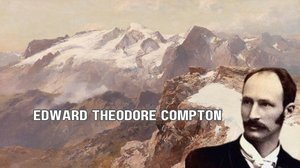
Edward Theodore Compton
1849 - 1921 , Inglaterra
Informações Rápidas
- Artistic Movement Or Style: Arte Alpina
- Artists Or Movements Influenced By This Artist: ['Impressionismo']
- Artists Who Influenced This Artist: ['']
- Date Of Birth: 1849
- Date Of Death: 1921
- Full Name: Edward Theodore Compton
- Nationality: Inglês
- Notable Artworks:
- Deutsch Im Wald von Valdoniello
- Deutsch Grohmannspitze und (rechts) Fünffingerspitzen
- Place Of Birth: Stoke Newington, Londres
Artigos Relacionados

Ephemeral Visions: Exploring the History & Emotional Resonance of Watercolor Painting
Explore the captivating history of watercolor painting, from ancient techniques to modern masters like Kandinsky & Blake. Discover essential artists, collecting tips & the emotional power of this luminous medium. Expert insights for art enthusiasts.

Ephemeral Visions: Exploring the Artistic Legacy & Contemporary Practice of Watercolor Painting
Explore the captivating world of watercolor painting! Discover its rich history, essential techniques, influential artists & collecting tips. A comprehensive guide for art enthusiasts from OriginalUniqueArt.

Aquarelas Imortais: 10 Obras-Primas que Revolucionaram a Arte | OriginalUniqueArt
Descubra as 10 obras-primas em aquarela que revolucionaram a arte! Explore a história de Turner, Cézanne e outros mestres. Encontre reproduções de alta qualidade para decorar sua casa com elegância. OriginalUniqueArt: arte atemporal ao seu alcance.

Ephemeral Visions: Exploring the Artistic Legacy & Nuances of Watercolor Painting
Explore the captivating world of watercolor painting! Discover its rich history, essential techniques, influential artists & collecting tips from art experts. A comprehensive guide for enthusiasts.

Liquid Gold: Master the Bold & Fluid Power of Watercolor Art
Unlock the bold energy of watercolor art. From historical masterpieces to custom photo-to-watercolor transformations, discover how to master the fluid power of light and pigment for your modern space. Expertly curated, high-impact art for the contemporary collector.