Rococo · 1764
Soap Bubbles (Charles Amédée Philippe Van Loo, 1764)
Charles Amédée Philippe Van Loo (1719–1795) criou Soap Bubbles. Data de 1764. Pertence ao movimento Rococo. É feito em Oil On Canvas. Está conservada no National Gallery of Art, em Washington, EUA. Mede 89 × 89 cm.
- 1764
- Oil On Canvas
- 89 × 89 cm
- National Gallery of Art, Washington

 Visualizar na parede

 Pintura a Óleo Feita à Mão
 Compartilhar
 Compartilhar
 Ficha técnica


 Baixar imagem
 Semelhantes
 Raio X
 Ver diaporama
 Perguntas e Respostas

 Estatísticas
Soap Bubbles, em resumo
- Título
- Soap Bubbles
- Artista
- Charles Amédée Philippe Van Loo (1719–1795)
- Artista nascido em
- Rivoli, Itália
- Data
- 1764
- Técnica
- Oil On Canvas
- Dimensões
- 89 × 89 cm
- Onde ver
- National Gallery of Art, Washington, EUA
- Movimento
- Rococo
- Período
- Early Modern
- Tema
- children, soap bubbles, chair, mirror, portrait
O que Soap Bubbles retrata?
A Moment Suspended in Time
In the delicate dance of light and air captured within Charles Amédée Philippe Van Loo’s Soap Bubbles, we find ourselves transported to the heart of the 18th-century Rococo era. This exquisite oil on canvas, painted in 1764, is far more than a mere depiction of childhood play; it is a masterclass in capturing the ephemeral. The scene centers on three children, their faces alight with the pure, unadulterated joy of a fleeting moment. As they blow iridescent spheres into the atmosphere, the bubbles catch the light, shimmering with a spectrum of colors that seem to defy the stillness of the frame. Van Loo employs a breathtaking trompe-l'oeil technique, presenting the children through what appears to be an oval window, creating an intimate sense of peering into a private, enchanted world.
The composition is balanced with a sophisticated grace characteristic of the French school. To the left, a solitary chair anchors the scene, while a mirror in the background provides a subtle depth, reflecting the room and expanding the viewer's perception of space. This clever use of reflection not only adds dimension but also invites us to contemplate the layers of reality presented within the painting. The soft, luminous textures of the children's clothing and the translucent quality of the bubbles demonstrate Van Loo’s extraordinary command over oil pigments, allowing him to manipulate light to create a sense of tactile softness and ethereal brilliance.
The Poignant Symbolism of the Vanitas
Beyond its surface beauty, Soap Bubbles carries a profound philosophical weight. To the discerning eye, the bubbles serve as a classic Vanitas motif—a symbolic reminder of the transience of life and the impermanence of earthly pleasures. Just as a soap bubble is beautiful yet destined to burst in an instant, so too are the moments of youth and human existence. This layer of melancholy hidden beneath the playful exterior provides a captivating tension that elevates the work from a charming genre painting to a deep meditation on mortality. It is this duality—the celebration of life alongside the recognition of its fragility—that gives the piece such enduring emotional resonance.
For collectors and decorators alike, this painting offers a unique opportunity to introduce a narrative of depth into a living space. The artwork’s historical prestige, having once graced the collections of the Prussian imperial family, brings an air of aristocratic elegance to any interior. Whether placed in a sun-drenched morning room or a sophisticated study, a high-quality reproduction of this masterpiece serves as a conversation piece that invites contemplation. It is a work that does not merely decorate a wall; it breathes life, history, and a touch of poetic nostalgia into the very soul of a home.
Em qual museu se encontra Soap Bubbles?
National Gallery of Art
Washington, EUA
Origens e História da National Gallery of Art A National Gallery of Art foi estabelecida de forma privada em 1937 para o povo americano, fruto de uma resolução conjunta do Congresso dos Estados Unidos. A instituição foi concebida por Andrew W. Mellon, um banqueiro de Pittsburgh que atuou como Secretário do Tesouro dos EUA entre 1921 e 1932.


Imagens em alta resolução de Soap Bubbles

Charles Amédée Philippe Van Loo, Soap Bubbles (1764), National Gallery of Art. Domínio público.
Perguntas sobre Soap Bubbles respondidas
Em qual museu se encontra a obra original de "Soap Bubbles"?
"Soap Bubbles", de Charles Amédée Philippe Van Loo está em exibição no National Gallery of Art, Washington, EUA. A referência ao museu diz respeito à obra original, não a reproduções.
Em que ano foi criada a obra "Soap Bubbles", de Charles Amédée Philippe Van Loo?
"Soap Bubbles" data de 1764. A data situa a obra na carreira de Charles Amédée Philippe Van Loo e em sua época.
Qual técnica foi utilizada em "Soap Bubbles", de Charles Amédée Philippe Van Loo?
A técnica de "Soap Bubbles", de Charles Amédée Philippe Van Loo é Oil On Canvas. As reproduções visam reproduzir a aparência desta técnica.
Quais são as dimensões da obra original "Soap Bubbles"?
As dimensões registradas de "Soap Bubbles", de Charles Amédée Philippe Van Loo são 89 x 89 cm. Reproduções podem ser encomendadas em outros tamanhos, mantendo as mesmas proporções.
O que representa "Soap Bubbles"?
"Soap Bubbles", de Charles Amédée Philippe Van Loo retrata: children, soap bubbles, chair, mirror, portrait.
"Soap Bubbles" está em domínio público?
"Soap Bubbles", de Charles Amédée Philippe Van Loo está em em domínio público — seus direitos autorais expiraram. Este status determina como a imagem da obra pode ser reproduzida.
Quem é o artista por trás de "Soap Bubbles"?
"Soap Bubbles" é atribuída a Charles Amédée Philippe Van Loo.
A qual estilo pertence "Soap Bubbles"?
"Soap Bubbles", de Charles Amédée Philippe Van Loo pertence ao movimento Rococo. Este movimento fornece o contexto estilístico da obra.
A que período da carreira de Charles Amédée Philippe Van Loo pertence "Soap Bubbles"?
"Soap Bubbles" representa o Mature Period de Charles Amédée Philippe Van Loo.
Sobre o artista, Charles Amédée Philippe Van Loo

1719–1795, Itália
Charles Amédée Philippe Van Loo
Charles Amédée Philippe Van Loo: Um Mestre da Graça Rococó e da Narrativa Dramática O mundo da arte francesa do século XVIII é frequentemente associado à grandiosidade opulenta, ao detalhe intrincado e a um profundo sentido de teatralidade. No coração deste cenário vibrante encontrava-se Charles Amédée Philippe Van Loo (1719 – 1795), um pintor cuja carreira abrangeu décadas e englobou uma gama notável de temas — desde cenas alegóricas repletas de figuras mitológicas até retratos surpreendentemente realistas que capturavam a essência de seus patronos aristocráticos. Mais do que um mero artesão habilidoso, Van Loo era um mestre da narrativa, tecendo histórias de poder, virtude e drama humano em cada tela que tocava. Nascido em Aix-en-Provence, a jornada artística de Van Loo começou sob a tutela de seu pai, Jean-Baptiste van Loo — ele próprio um pintor respeitado — em Turim e Roma.
Sobre Charles Amédée Philippe Van Loo Obras notáveis de Charles Amédée Philippe Van Loo
Também de Charles Amédée Philippe Van Loo
 Presumed Portrait of Livio Vernet (1747 - after 1827) lawyer, son of Joseph Vernet1750
 Amor is disarmed by Diana1750
 Erigone, also called Autumn1750
 The Satyrs1761

Ensaios sobre Soap Bubbles
 25 Must-See Masterpieces at the Kröller-Müller Museum: A Van Gogh PilgrimageExplore 25 iconic Van Gogh and modern masterpieces at Kröller-Müller Museum. Discover the full collection online at OriginalUniqueArt.com.
 Charles-André van Loo: A Study in Rococo Portraiture & the French Court's Artistic DynamicsExplore the elegant world of Charles-André van Loo, a master of Rococo portraiture at the French court. Discover his life, techniques, and …
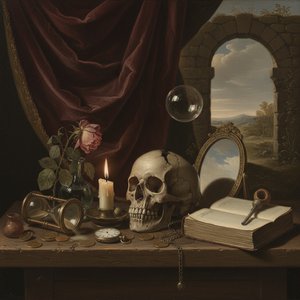 The Memento Mori Aesthetic: Decoding the Profound Symbolism of Vanitas ArtExplore the profound symbolism of Vanitas art. From Dutch Golden Age masterpieces to the haunting beauty of Memento Mori, uncover how class…