

 Visualizar na parede
 Compartilhar
 Compartilhar
 Detalhes
 Guia
Guia

 Baixar imagem
 Semelhantes
 Raio X
 Ver diaporama
 Q&A
Q&A Estatísticas
Abadia entre Carvalhos, estado anterior à restauração


 Ler mais
Giclée / Impressão de Arte
Impressão giclée ou em tela de qualidade de museu, com produção rápida e opções flexíveis de acabamento. ( Comprar pintura feita à mão Alternar para Imagem Digital)




P118B €10

P118H €10

P118W €10

P438Z €10

P508JH €12

P508YH €12

P805H €10

P805Z €10

P919BZ €10

P919G €10

P919XJ €10

P959ZH €10

P968JZ €12

W106C €8

W218G €10

W218JH €8

W218Y €10

W307PJ €10

W316G €10

W316PJ €8

W316Y €10

W398PJ €8

W4111J €10

W500HY €15

W500JH €15

W692G €12

W849H €8

W940BG €15

W953PJ €8




Escolha entre os nossos tamanhos pré-definidos que respeitam as proporções originais da obra de arte.

Insira a largura e a altura desejadas para se ajustarem à sua moldura ou parede. Uma impressão pode ser apenas cortada, nunca ampliada além da imagem original; portanto, um tamanho com proporções diferentes resultará na perda de parte da imagem. Enviamos uma maquete digital para sua aprovação antes de realizarmos a impressão. A imagem exibida nesta página não mostra o corte real — apenas a maquete o faz.
Entrega mundial () em 2 semanas, em vez das 4/5 semanas padrão. (31 Outubro)

Envio expresso gratuito para todo o mundo

Tela de Linho de Alta Qualidade

Seguro de transporte completo

Garantia de Reembolso de Impostos Alfandegários

Garantia de Fidelidade Cromática

Política de Devolução em 100 Dias (Apenas para Defeitos)

Garantia de reembolso de 100%

Oferta de desconto por quantidade
 A opção de vidro está disponível apenas para tamanhos inferiores a 110 cm

Abadia entre Carvalhos, estado anterior à restauração
Giclée / Impressão de Arte
Tamanho da Reprodução
-


Preço Total
€ 71
Uma Meditação sobre Solidão e Transcendência: Examinando “Abadia entre Carvalhos” de Friedrich
A obra "Abadia entre Carvalhos", de Caspar David Friedrich, pintada em 2015, ergue-se como um emblema quintessencial da pintura de paisagem romântica — uma destilação visual de profunda contemplação filosófica. Mais do que uma simples representação de uma cena, é um convite para confrontar questões de fé, mortalidade e a beleza sublime inerente à austera grandeza da natureza. A fotografia captura uma imagem monocromática marcante de carvalhos ancestrais que dominam a composição, com seus ramos estendendo-se para o alto contra um céu suave, enquanto uma figura solitária — presumivelmente o próprio Friedrich — permanece na borda do quadro, contemplando a abadia aninhada entre os troncos.- Estilo e Técnica: O uso magistral da gradação tonal por Friedrich — técnica aperfeiçoada durante seus estudos em Copenhague — cria uma atmosfera de quietude palpável. O artista evita cores vibrantes, optando, em vez disso, por uma restrição deliberada a tons de cinza, o que amplifica a ressonância emocional da cena. As pinceladas são amplas e expressivas, transmitindo textura e profundidade sem recorrer ao realismo detalhado. Esta abordagem prioriza a captura da essência da paisagem em vez de sua representação precisa.
- Contexto Histórico: Friedrich emergiu durante um período de significativo fermento intelectual — o movimento Romântico — caracterizado por uma intensa preocupação com a emoção, a imaginação e a espiritualidade. A pintura reflete as correntes filosóficas mais amplas da época, especificamente o conceito de sublime de Kant, que postula que o encontro com uma beleza natural avassaladora pode inspirar temor e, simultaneamente, confrontar-nos com as limitações da compreensão humana.
Simbolismo: Carvalhos e Reflexão Espiritual
O próprio carvalho possui um peso simbólico considerável dentro do folclore germânico e da tradição cristã. Representando força, resiliência e longevidade — atributos associados à presença eterna de Deus — o carvalho encarna uma conexão duradoura com o reino divino. Seus ramos despidos simbolizam a vulnerabilidade, mas simultaneamente transmitem um olhar firme em direção ao céu, espelhando a postura contemplativa da figura central. A abadia, posicionada no coração da composição, representa a piedade e a contemplação cristã — um farol de fé em meio à vastidão da natureza.- Impacto Emocional: “Abadia entre Carvalhos” transcende o mero prazer visual; evoca um sentimento de beleza melancólica — uma consciência agridoce da insignificância humana diante do pano de fundo das forças naturais atemporais. A paisagem desolada serve como um catalisador para a introspecção, instigando os espectadores a confrontar questões existenciais sobre o propósito da vida e a mortalidade.
- Considerações de Design de Interiores: Para designers de interiores em busca de inspiração, esta obra oferece uma peça de destaque poderosa que personifica tranquilidade e profundidade espiritual. Sua paleta monocromática adapta-se lindamente a espaços minimalistas, criando uma atmosfera de serena contemplação — um refúgio bem-vindo do agito e da pressa da vida moderna.
Além da Representação: A Busca de Friedrich pelo Sentimento
Friedrich não estava meramente tentando retratar uma paisagem; ele visava transmitir uma experiência emocional profunda. Ele acreditava que a arte deveria estimular a contemplação e despertar a alma, priorizando o sentimento em detrimento da precisão factual. Ao despojar a obra de cores e focar em pinceladas texturizadas, Friedrich alcançou precisamente este objetivo — criando uma imagem que fala diretamente aos nossos desejos subconscientes de conexão com algo maior do que nós mesmos. É um lembrete de que a verdadeira beleza não reside no espetáculo externo, mas na reflexão interior.Perguntas e Respostas
A que período histórico pertence "Abadia entre Carvalhos, estado anterior à restauração", de Caspar David Friedrich?
"Abadia entre Carvalhos, estado anterior à restauração" pertence ao período Século XIX.
"Abadia entre Carvalhos, estado anterior à restauração", de Caspar David Friedrich é uma obra de arte clara ou escura?
A luminosidade percebida de "Abadia entre Carvalhos, estado anterior à restauração", de Caspar David Friedrich é brilhante. Ela pode ser harmonizada com a iluminação do espaço pretendido.
Qual é o nível de reconhecimento de "Abadia entre Carvalhos, estado anterior à restauração" de Caspar David Friedrich?
O nível de popularidade registrado para "Abadia entre Carvalhos, estado anterior à restauração", de Caspar David Friedrich é Icônico.
Biografia do Artista
A Solitary Vision: The Life and Art of Caspar David Friedrich
Born in the Baltic port city of Greifswald in 1774, Caspar David Friedrich’s life was steeped in a melancholic atmosphere that would profoundly shape his artistic vision. His early years were marked by loss – the deaths of his mother and siblings cast a long shadow, fostering a sensitivity to mortality and transience that became central themes in his work. Initially educated by his older brother Christian in drawing, Friedrich’s formal training began at the University of Leipzig, where he pursued both art and theology, though neither degree was completed. This dual interest – a fascination with the visual world alongside a deep spiritual questioning – would prove crucial to his development as an artist. Further studies in Copenhagen honed his technical skills, exposing him to landscape painting traditions that would serve as a foundation for his unique style, yet it was not imitation he sought but rather expression—a means of conveying inner emotional states through the language of nature.The Birth of Romantic Landscape
Friedrich’s artistic journey wasn't merely about depicting scenery; it was about imbuing landscapes with profound symbolic meaning. He moved away from the meticulous detail favored by earlier artists, embracing a more personal and expressive approach. His paintings are characterized by an emphasis on the sublime – evoking feelings of awe, terror, and spiritual connection in the face of nature’s grandeur. The use of *Rückenfiguren*, figures seen from behind, became a signature element, inviting viewers to step into the scene and share in the contemplative experience. Natural elements like ancient trees, towering mountains, swirling fog, and crumbling ruins weren't simply picturesque details; they were potent symbols representing life’s cycles, spiritual longing, and the weight of history. His palette, often muted with blues, grays, and browns, further enhanced the mood of introspection and solemnity that pervades his work. He pioneered a way to depict landscapes not as mere views but as reflections of the human soul—a revolutionary concept for its time.Iconic Works and Enduring Themes
Several paintings stand out as defining examples of Friedrich’s artistic achievement. “The Abbey in the Oakwood” (1809-1810), a haunting image of a ruined churchyard enveloped by bare trees, speaks powerfully to themes of mortality and spiritual decay. It portrays a desolate landscape dominated by decaying structures—a deliberate contrast to idealized depictions of pastoral beauty—and invites contemplation on the passage of time and the inevitability of ruin. Perhaps his most famous work, “Wanderer Above the Sea of Fog” (c. 1818), encapsulates the Romantic ideal of the individual confronting the vastness and mystery of existence. The figure, silhouetted against a swirling sea of mist, embodies both human aspiration and insignificance—a poignant reminder of our vulnerability in the face of overwhelming natural forces. “Chalk Cliffs on Rügen” (1818) demonstrates his mastery of atmospheric effects and subtly conveys a sense of national identity—a growing concern in the fragmented political landscape of early 19th-century Germany. The dramatic interplay of light and shadow captures the rugged beauty of the Baltic coast, symbolizing resilience and fortitude amidst challenging circumstances. Even more evocative is “The Sea of Ice” (1824), a chilling depiction of an Arctic wasteland, representing nature’s immense power and indifference to human fate. Friedrich's meticulous attention to detail—the icy textures, the desolate expanse—creates a visceral experience for the viewer, prompting reflection on humanity’s insignificance in comparison to the forces of geological time. Recurring throughout his oeuvre are themes of nature as a manifestation of the divine, the fragility of humanity in the face of cosmic forces, melancholy, solitude, spiritual yearning, and a burgeoning sense of German nationalism.Influences and Artistic Style
Friedrich’s artistic style was profoundly shaped by several influences—primarily Dutch Golden Age landscape painting, particularly the works of Jacob van Ruisdael, which instilled in him a commitment to capturing atmospheric effects and conveying emotional depth. He also drew inspiration from the philosophical writings of Immanuel Kant, whose concept of transcendental idealism challenged conventional notions of perception and encouraged Friedrich to explore subjective experience as a pathway to spiritual understanding. Furthermore, his own personal experiences with loss—the premature deaths of his family members—fueled his artistic preoccupation with mortality and imbued his paintings with an unmistakable sense of melancholy. He rejected the academic conventions of his time, prioritizing expressive brushwork and tonal modulation over precise representation. His technique involved layering thin washes of color to create luminous surfaces that subtly suggest depth and texture—a method he honed during his studies in Copenhagen.Legacy and Rediscovery
Friedrich’s art resonated deeply with audiences throughout his lifetime, though its popularity waned after his death in Dresden in 1840. However, he experienced a significant rediscovery in the late 20th century, becoming widely recognized as one of the most important figures in German Romanticism—a movement that championed emotion, imagination, and individualism as alternatives to Enlightenment rationalism. His pioneering approach to landscape painting influenced generations of artists who sought to express inner feelings through visual means—particularly Symbolists and Surrealists—and continues to inspire contemplation on the relationship between humanity and nature. He remains a pivotal figure whose work transcends time, reminding us of the enduring power of art to evoke wonder, sorrow, and profound spiritual insight.
Caspar David Friedrich
1774 - 1840 , Alemanha
Dados Rápidos
- Artistic Movement Or Style: Romantismo
- Artists Or Movements Influenced By This Artist:
- Simbolistas
- Surrealistas
- Artists Who Influenced This Artist:
- Pintores Holandeses
- J.C. Dahl
- Date Of Birth: 5 setembro 1774
- Full Name: Caspar David Friedrich
- Nationality: Alemão
- Notable Artworks:
- Abbey na Oliveira
- Peregrino sobre o Mar de Névoa
- Falésias Calcárias em Rüügen
- O Mar de Gelo
- Place Of Birth: Greifswald, Alemanha
Artigos Relacionados

Caspar David Friedrich: Romanticism's Master of Landscape & the Sublimity of Inner Experience
Explore the profound landscapes of Caspar David Friedrich, a master of German Romanticism. Discover the symbolism, themes & enduring influence of this iconic artist. A deep dive into his life and work.

Os 10 Mestres da Paisagem Romântica: Arte para Inspirar a Sua Casa
Descubra os 10 quadros mais emblemáticos da Paisagem Romântica! Explore a história de Turner, Friedrich e outros mestres. Encontre reproduções de arte exclusivas para inspirar sua decoração em OriginalUniqueArt.com.

John Constable: As 25 Obras-Primas que Definem o Mestre da Paisagem Inglesa | OriginalUniqueArt
Descubra as 25 obras-primas de John Constable, o mestre da paisagem inglesa! Explore a arte romântica, cores vibrantes e histórias fascinantes por trás de 'Hay Wain' e outras pinturas icônicas. Encontre reproduções de alta qualidade para decorar sua casa com OriginalUniqueArt.com.

Arboreal Echoes: A Historical & Artistic Exploration of Trees in Painting
Explore the rich history of trees in painting! Discover symbolism, Romantic masterpieces by Caspar David Friedrich & beyond. A curated journey for art enthusiasts.
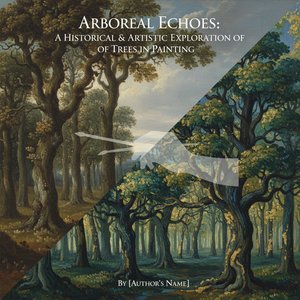
Arboreal Echoes: A Historical & Artistic Exploration of Trees in Painting
Explore the rich history of trees in painting! Discover symbolism, Romantic masterpieces by Caspar David Friedrich & beyond. A curated journey for art enthusiasts.


