

 Visualizar em escala
 Enviar
 Compartilhar
 Ver detalhes
 Guia de Obras do Aluno

 Baixar imagem
 Semelhantes
 Raio X
 Apresentação de slides
 Estatísticas
Conteúdo de chá


 Ver mais
Giclée / Impressão de Arte
Impressão giclée ou em tela de qualidade de museu, com produção rápida e opções flexíveis de acabamento. ( Encomendar reprodução pintada à mão Ver Imagem Digital)




P118B €10

P118H €10

P118W €10

P438Z €10

P508JH €12

P508YH €12

P805H €10

P805Z €10

P919BZ €10

P919G €10

P919XJ €10

P959ZH €10

P968JZ €12

W106C €8

W218G €10

W218JH €8

W218Y €10

W307PJ €10

W316G €10

W316PJ €8

W316Y €10

W398PJ €8

W4111J €10

W500HY €15

W500JH €15

W692G €12

W849H €8

W940BG €15

W953PJ €8




Escolha entre os nossos tamanhos pré-definidos que respeitam as proporções originais da obra de arte.

Digite a largura e a altura de que necessita, para se ajustar à sua moldura ou à sua parede. Uma impressão só pode ser cortada, nunca ampliada além da imagem original, pelo que um tamanho com uma proporção diferente perderá parte da imagem. Enviamos-lhe uma maquete digital para aprovação antes de imprimirmos qualquer coisa. A imagem apresentada nesta página não mostra o corte real — apenas a maquete o faz.
Entrega mundial () em 2 semanas, em vez das 4/5 semanas padrão. (21 Outubro)

Envio expresso gratuito para todo o mundo

Tela de Linho Premium

Seguro de transporte total

Garantia de Reembolso de Impostos Alfandegários

Garantia de Fidelidade de Cor

Política de Devolução em 100 Dias (Apenas para Defeitos)

Garantia de reembolso de 100%

Desconto para múltiplas unidades
 A opção de vidro está disponível apenas para tamanhos inferiores a 110 cm

Conteúdo de chá
Giclée / Impressão de Arte
Dimensões da Reprodução
-


Preço Total
€ 70
Uma Pequena Sinfonia de Elegância Austríaca: Uma Análise da Vaquinha Térmica de Balthasar Wigand
Um olhar atento à arte do século XIX revela obras que transcendem o mero ornamento, comunicando ideias e emoções profundas. Entre elas destaca-se a “Vaquinha Térmica” (Tea Container) pintada por Balthasar Wigand em 1820, uma obra que permanece no Wien Museum de Viena como um testemunho da beleza meticulosa e da reverência pela estética clássica da época. Esta pequena pintura, aparentemente simples à primeira vista, carrega consigo uma riqueza simbólica e técnica que merece uma análise mais profunda. A obra apresenta um recipiente de chá em madeira clara adornado com detalhes dourados, um elemento comum na decoração aristocrática austríaca do período. Dentro do recipiente, uma quantidade modesta de folhas de chá revela-se como foco da atenção visual, convidando o espectador a contemplar a beleza efêmera e a importância dos pequenos prazeres cotidianos. Wigand empregou a técnica da gouache sobre tela, uma pintura à água que permite obter cores vibrantes e translúcidas, características marcantes do estilo neoclássico viennese. A escolha da madeira como base para o recipiente simboliza estabilidade e tradição, valores importantes na cultura austríaca da época. O contexto histórico é fundamental para compreender a obra. Wigand viveu em uma época marcada pelo Renascimento Austríaco, um movimento artístico que buscava reviver os ideais clássicos gregos e romanos, inspirando artistas e arquitetos a criar obras de beleza e ordem. A reprodução fiel da arquitetura do Parthenon e Bassae, como mencionado na biografia do artista, demonstra o desejo de capturar a perfeição estética e intelectual do passado, uma busca constante pela beleza idealizada que permeia toda a arte neoclássica. Além da beleza estética, a pintura transmite uma sensação de calma e serenidade. O uso suave das cores e a atenção aos detalhes técnicos contribuem para criar uma atmosfera contemplativa, convidando o observador a apreciar a simplicidade e a elegância da obra. É um convite à reflexão sobre valores como ordem, equilíbrio e beleza – princípios que eram considerados essenciais na cultura vienense do século XIX. A “Vaquinha Térmica” não é apenas uma reprodução artística; é uma janela para o espírito de uma época, um símbolo da busca pela perfeição estética e intelectual e uma expressão da beleza delicada encontrada nos objetos cotidianos. Uma peça que certamente encantará aqueles que apreciam a arte refinada e desejam adicionar um toque de elegância austríaca à sua coleção ou decoração interior.Perguntas e Respostas
"Conteúdo de chá" apresenta contrastes fortes entre luz e sombra?
O contraste entre claro e escuro de "Conteúdo de chá" é registrado como Declaração. O contraste descreve a intensidade da diferença entre as áreas claras e escuras.
De onde vêm os visitantes de "Conteúdo de chá" de Balthasar Wigand?
Existe uma página de Estatísticas para "Conteúdo de chá". Ela apresenta o gráfico de visitas mensais da obra e de outras obras do artista, com detalhamento por país e idioma.
Para que tipo de uso é recomendada uma reprodução de "Conteúdo de chá" de Balthasar Wigand?
O uso sugerido para "Conteúdo de chá" de Balthasar Wigand é Ponto de cor. Também pode servir para outros fins.
Artigos Relacionados
Os 10 Grandes Mestres do Neoclassicismo: Arte, História e Decoração
Descubra os 10 maiores mestres do Neoclassicismo! Explore a história, técnica e beleza de obras icônicas de David, Ingres e Canova. Encontre reproduções de arte neoclássica para decorar sua casa com elegância em OriginalUniqueArt.com.
The Enduring Legacy of Classical Style: Form, Narrative & Influence in Art
Explore the enduring legacy of classical art – from ancient Greece & Rome to Neoclassicism. Discover key artists, philosophical roots & build a timeless collection with OriginalUniqueArt's expert guidance.
The Enduring Legacy of Classicism: Principles, Evolution & Influence in Western Art
Explore the enduring legacy of Classicism in Western art! Discover its historical context, key principles, iconic masterpieces & lasting influence. Learn about Renaissance and Neoclassical movements with OriginalUniqueArt.
Timeless Resonance: Exploring Classic Vibe in Art – A Historical & Aesthetic Analysis
Explore the rich history & enduring aesthetic of Classicism art! Discover key movements, iconic artists like Raphael & David, and its lasting influence on Western art. Deepen your appreciation today.
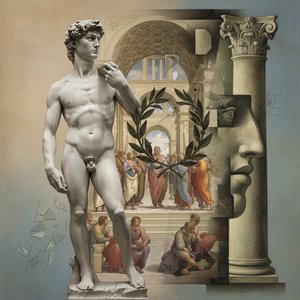
The Enduring Echo of Antiquity: Classical Ideals in Art from Renaissance to Modernism
Explore the lasting impact of classical ideals on art from the Renaissance to Modernism. Discover key movements, iconic artists & find museum-quality reproductions at OriginalUniqueArt.
