Retrato de Requena Nozal

Pinturas de Requena Nozal: As 17 mais famosas, sob o olhar de uma galeria

Atualizado em Outubro 2026 · classificado pela nossa pontuação de popularidade (pesquisas, visitas e pedidos de cada obra) · 17 obras de Requena Nozal em nosso catálogo

Em resumo

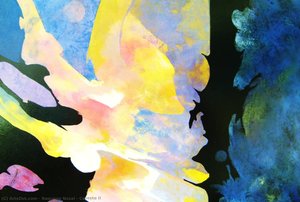
Aos olhos da galeria, a pintura mais famosa de Requena Nozal é Celeste II (2006). CHINA (2015) e Celeste I (2006) completam o trio que todos reconhecem. Dos 17 trabalhos de Requena Nozal em nosso catálogo, a galeria apresenta abaixo as 17 obras mais famosas, cada uma original, com seu ano, seu museu e o que a torna única.

nascido em 1947, Zaragoza Abstract expressionism

As 10 principais pinturas de Requena Nozal na galeria

2
CHINA (2015) de Requena Nozal

CHINA

2015 · Encaustic

The artwork CHINA, created in 2015, presents a dense, textured arrangement of gold and brown tones set against a deep blue background. The central figure consists of an intricate, swirling pattern that suggests the form of a stylized insect or a mythical creature. This subject is defined by numerous undulating lines and appendages that create a sense of organic movement. The surface is characterized by a pronounced relief, where the…

Pinturas de Requena Nozal, classificadas de 11 a 17

Requena Nozal, as pinturas emblemáticas de cada ano

A carreira de Requena Nozal nesta página abrange 12 anos, de 2006 a 2017: cada ano aparece aqui com as suas obras originais mais famosas.

Obras por ano

Escolha um ano para ver as obras originais.

Pinturas de Requena Nozal: a galeria responde

Qual pintura de Requena Nozal é a mais famosa de todas?Revelar a resposta

Celeste II (2006). CHINA (2015) e Celeste I (2006) vêm a seguir.

Qual era a idade de Requena Nozal ao concluir Celeste II?Revelar a resposta

59 anos: Celeste II data de 2006, e Requena Nozal nasceu em 1947.

Quais são as 10 principais pinturas de Requena Nozal?Revelar a resposta

Celeste II, CHINA, Celeste I, Espuma VI, Homenaje a Diana III, Materia Viva, Yellowstone (fragmento), Yellowstone I, Nocturno 1 e Sin título. O ranking acima apresenta o ano e o museu de cada uma.

Quantas obras Requena Nozal criou?Revelar a resposta

Nosso catálogo contém 17 obras de Requena Nozal, datadas de 2006 a 2017.

Quando é que Requena Nozal criou as suas pinturas mais famosas?Revelar a resposta

Em 2017: 5 das 17 obras nesta página foram feitas então, sendo Sin título delas.

Quais são as obras mais famosas de Requena Nozal no início e no fim de sua carreira?Revelar a resposta

Nesta página, a mais antiga é Celeste II (2006) e a mais recente é Sin título (2017).

Com qual movimento Requena Nozal está associado(a)?Revelar a resposta

Abstract expressionism, a julgar pelos originais nesta página.

Requena Nozal: o artista

Requena Nozal: A Visionary Explorer of Texture and Emotion

Requena Nozal, born in Zaragoza, Spain in 1947, stands as a singular figure within the landscape of contemporary Spanish art. His artistic journey has been marked by an unwavering dedication to encaustic painting—a technique dating back centuries—combined with a masterful grasp of abstract expressionism principles. This fusion yields artworks that resonate deeply with viewers, conveying profound explorations of human experience and emotion through layers of color, texture, and symbolic imagery.
  • Early Influences: Nozal’s formative years were steeped in the traditions of Zaragozan craftsmanship and artistic heritage. While biographical details remain relatively sparse, anecdotal evidence suggests a fascination with Iberian art history and mythology—elements that subtly permeate his later works.
  • The Embrace of Encaustic Technique: Unlike many artists of his era who favored oil paints, Nozal championed encaustic, a process involving fusing beeswax mixed with pigments onto prepared wood panels. This method offers unparalleled control over texture and luminosity, allowing for an astonishing depth of visual richness that distinguishes his oeuvre.
  • Abstract Expressionist Roots: Drawing inspiration from giants like Willem de Kooning and Jackson Pollock, Nozal skillfully incorporates techniques characteristic of abstract expressionism—splattering, dripping, layering—to generate dynamic compositions brimming with energy and spontaneity. However, he transcends mere imitation; instead, he imbues these methods with his own distinctive vision.

Exploring Themes of Humanity and Symbolism

Nozal’s artistic output consistently delves into themes of human vulnerability and resilience. Recurring motifs—often rendered in vibrant hues against backgrounds of textured gold leaf—suggest a preoccupation with spiritual contemplation and the interconnectedness of existence. His canvases are not merely decorative surfaces; they are conduits for conveying complex narratives about identity, memory, and the passage of time. The artist’s meticulous attention to detail—particularly in capturing subtle shifts of light and color—further enhances the emotive impact of his pieces.
  • Notable Works: Pieces like ‘Muranoserie’ exemplify Nozal's ability to distill complex ideas into striking visual forms. The intricate patterns and dynamic shapes invite contemplation, prompting viewers to consider the beauty inherent in seemingly chaotic arrangements.
  • ‘China’: This captivating artwork utilizes gold leaf and blue pigments to evoke a sense of ancient mysticism—a deliberate reference to Chinese symbolism that underscores Nozal’s artistic sensibilities.
  • ‘Serie Micra’: While information about this particular piece is limited, it represents another testament to Nozal's commitment to exploring textural variations and subtle chromatic harmonies.

Legacy and Recognition

Requena Nozal’s contribution to contemporary art extends beyond his individual creations. His unwavering dedication to encaustic painting has helped revive this historic technique, ensuring its continued relevance in the 21st century. Furthermore, his exploration of universal themes—humanity, emotion, spirituality—resonates across cultures and generations. Although he remains largely unknown outside specialist circles, Nozal’s artworks continue to captivate collectors and critics alike, cementing his place as a significant voice within the Spanish artistic landscape.