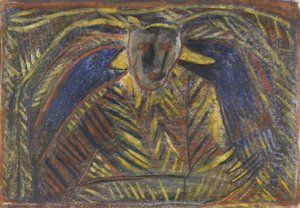
Retrato de Mimmo Paladino

Pinturas de Mimmo Paladino: As 15 mais famosas, sob o olhar de uma galeria

Atualizado em Outubro 2026 · classificado pela nossa pontuação de popularidade (pesquisas, visitas e pedidos de cada obra) · 15 obras de Mimmo Paladino em nosso catálogo

Em resumo

Aos olhos da galeria, a pintura mais famosa de Mimmo Paladino é Untitled (174). The Things of Home (Household Appliances) (1980) e Alla Sicilia (1980) completam o trio que todos reconhecem. Dos 15 trabalhos de Mimmo Paladino em nosso catálogo, a galeria apresenta abaixo as 15 obras mais famosas, cada uma original, com seu ano, seu museu e o que a torna única.

nascido em 1948, Paduli Mais obras: Bavarian State Painting Collections

As 10 principais pinturas de Mimmo Paladino na galeria

Pinturas de Mimmo Paladino, classificadas de 11 a 15

Os temas que cativaram o olhar de Mimmo Paladino

Os quatro temas que mais se repetem nestas obras originais, cada um com o seu melhor exemplo.

Os museus que guardam os originais de Mimmo Paladino

Os 8 museus que detêm a maioria das pinturas desta página.

Museus Cidade Obras de Mimmo Paladino Pinturas desta lista
Bavarian State Painting Collections, MuniqueBavarian State Painting Collections Munique 2 The Things of Home (Household Appliances), Untitled (Film 1953)
Cincinnati Art Museum, CincinnatiCincinnati Art Museum Cincinnati 1 Alla Sicilia
Metropolitan Museum of Art, Nova YorkMetropolitan Museum of Art Nova York 1 Untitled
Fondazione Hospice Seràgnoli Onlus, BolognaFondazione Hospice Seràgnoli Onlus Bologna 1 Untitled
Elgiz Museum of Contemporary Art, İstanbulElgiz Museum of Contemporary Art İstanbul 1 Untitled
Ministero degli Affari Esteri e della Cooperazione Internazionale. Collezione Farnesina, RomaMinistero degli Affari Esteri e della Cooperazione Internazionale. Collezione Farnesina Roma 1 Etrusco (omaggio a Marino Marini)
Imago Mundi, TrevisoImago Mundi Treviso 1 Mimmo Paladino - Harmonia
CAMUSAC Cassino Museum of Contemporary Art, CassinoCAMUSAC Cassino Museum of Contemporary Art Cassino 1 Testimoni

Mimmo Paladino, as pinturas emblemáticas de cada ano

35 anos da arte de Mimmo Paladino, de 1980 a 2014: a galeria acompanha o seu percurso ano a ano, através dos seus originais mais famosos.

Obras por ano

Escolha um ano para ver as obras originais.

Pinturas de Mimmo Paladino: a galeria responde

Qual pintura de Mimmo Paladino é a mais famosa de todas?Revelar a resposta

Untitled (174). The Things of Home (Household Appliances) (1980) e Alla Sicilia (1980) vêm a seguir.

Quais são as 10 principais pinturas de Mimmo Paladino?Revelar a resposta

Untitled (174), The Things of Home (Household Appliances), Alla Sicilia, Untitled (Film 1953), Untitled, Untitled, Untitled, Untitled (599), Etrusco (omaggio a Marino Marini) e Untitled (601). O ranking acima apresenta o ano e o museu de cada uma.

Quantas obras Mimmo Paladino criou?Revelar a resposta

Nosso catálogo contém 15 obras de Mimmo Paladino, datadas de 1980 a 2014.

Onde estão expostos os originais mais famosos de Mimmo Paladino?Revelar a resposta

Principalmente em Bavarian State Painting Collections (Munique), Cincinnati Art Museum (Cincinnati) e Metropolitan Museum of Art (Nova York). A tabela de museus acima lista todos eles.

Quando é que Mimmo Paladino criou as suas pinturas mais famosas?Revelar a resposta

Em 1980: 2 das 15 obras nesta página foram feitas então, sendo The Things of Home (Household Appliances) delas.

Quais são as obras mais famosas de Mimmo Paladino no início e no fim de sua carreira?Revelar a resposta

Nesta página, a mais antiga é The Things of Home (Household Appliances) (1980) e a mais recente é Untitled (2014).

Quais obras originais de Mimmo Paladino o Bavarian State Painting Collections possui?Revelar a resposta

The Things of Home (Household Appliances) e Untitled (Film 1953): o Bavarian State Painting Collections, Munique detém 2 das obras desta página.

Mimmo Paladino: o artista

Early Life and Artistic Awakening

Mimmo Paladino, born Domenico Paladino in Paduli, Campania, on December 18, 1948, emerged from a landscape steeped in history and artistic tradition. Though he spent his formative years in Naples, it was the influence of his painter uncle that first ignited within him a passion for art. This early exposure wasn’t merely observational; it fostered an intuitive understanding of form and color that would become hallmarks of his distinctive style. A pivotal moment arrived in 1964 when, still a schoolboy, Paladino encountered the vibrant energy of American Pop Art at the Venice Biennale. The boldness and directness of artists like Warhol and Lichtenstein left an indelible mark, prompting him to initially explore conceptual art and photography in the early 1970s. However, this foray into more detached modes proved temporary; by mid-decade, painting began to assert its dominance, signaling a return to a more visceral and expressive approach. His first solo exhibition in Caserta in 1969 offered a glimpse of his burgeoning talent, but it was the work *Silently, I Am Retiring to Paint a Picture* that truly announced his commitment to reclaiming painting as a primary means of narration—a deliberate departure from the prevailing anti-painting sentiments of the time.

The Rise of Transavanguardia

The late 1970s witnessed Paladino’s relocation to Milan, where he balanced teaching artistic disciplines with an increasingly focused pursuit of his own creative vision. This period proved crucial in solidifying his unique voice and paving the way for his involvement in what would become one of the most significant art movements of the era: Transavanguardia. Founded by Achille Bonito Oliva in 1980, Transavanguardia represented a rejection of rigid conceptual frameworks in favor of a more subjective, emotionally driven approach to painting. Paladino quickly became a leading figure within this movement, alongside artists like Sandro Chia, Francesco Clemente, and Nicola De Maria. The year 1980 was particularly momentous, marked by his first solo exhibitions in New York at both the Maria Goodman and Annina Nosei galleries—a testament to growing international recognition. A traveling exhibition that same year further propelled these young Italian painters onto the European stage, culminating in their inclusion in Harald Szeemann’s influential Aperto section at the 39th Venice Biennale. Transavanguardia wasn't simply a stylistic shift; it was a philosophical statement—a reclaiming of artistic freedom and a celebration of individual expression.

A Magically Alchemical Vision

Philosopher Arthur Danto, in his essay for an anthology dedicated to Paladino’s work, eloquently captured the essence of the artist’s creative power: “I must declare the eminence of Mimmo Paladino in the ranks of contemporary art.” Danto specifically highlighted the impact of Paladino's outdoor installations, most notably the monumental mountain of salt he created for Piazza del Plebiscito in Naples, adorned with a band of strewn archaic horses. This work, dating from the 1990s, exemplifies Paladino’s ability to seamlessly blend diverse methods and engage with space—both urban and pictorial. Danto astutely observed that Paladino possesses “something magically alchemical” in his vision—an instinctive talent for transforming objects into composite elements, stripping away preconceived meanings to create something entirely new. This alchemy is evident across his oeuvre, from paintings imbued with evocative figures and landscapes to sculptures that resonate with a primal energy.

Themes and Techniques

Paladino’s work defies easy categorization, drawing inspiration from a vast array of sources—archaeology, mythology, primitive art, and the Italian artistic tradition. Recurring motifs include archaic horses, fragmented bodies, geometric structures, and enigmatic symbols. His technique is equally diverse, encompassing painting, sculpture, mosaic, engraving, and filmic imagery. He often employs bold colors, textured surfaces, and a deliberate sense of ambiguity to create works that are both visually arresting and intellectually stimulating. His paintings, in particular, showcase his mastery of color and composition, evoking a dreamlike atmosphere that invites contemplation. The use of recycled objects and unconventional materials further underscores his commitment to challenging traditional artistic boundaries.

Legacy and Historical Significance

Mimmo Paladino’s impact on contemporary art is undeniable. As a central figure in Transavanguardia, he played a pivotal role in revitalizing painting after decades of conceptual dominance. His willingness to experiment with diverse techniques and embrace a subjective approach to artmaking paved the way for a new generation of artists. His large-scale installations, such as the mountain of salt in Naples, demonstrate his ability to engage with public space and create immersive experiences that resonate deeply with viewers. Paladino’s work continues to be exhibited internationally, solidifying his position as one of Italy's most important contemporary artists—a testament to his enduring vision and unwavering commitment to artistic innovation. He remains a vital force in the art world, constantly pushing boundaries and challenging conventional notions of beauty and meaning.