Retrato de Johann Carl Loth

As 44 Pinturas Mais Famosas de Johann Carl Loth, Cada Uma Única

Atualizado em Novembro 2026 · classificado pela nossa pontuação de popularidade (pesquisas, visitas e pedidos de cada obra) · 47 obras de Johann Carl Loth em nosso catálogo

Em resumo

Selene and Endymion (1670) é a pintura de Johann Carl Loth que mais atrai olhares; a obra original pertence ao Rijksmuseum, Amsterdã. Depois disso, o olhar recai sobre Jacob Blesses Ephraim and Manasseh (1692) e Old Peasant Lighting a Pipe (1660). Entre as 47 obras de Johann Carl Loth em nosso catálogo, estas 44 são as mais famosas, cada uma uma original única apresentada com o seu ano, o seu museu e a razão pela qual perdura.

1632 – 1698, Munique Baroque Mais obras: Bavarian State Painting Collections

As 10 principais pinturas de Johann Carl Loth, sob o olhar da galeria

1
Selene and Endymion (1670) de Johann Carl Loth

Selene and Endymion

1670 · Oil On Canvas · Rijksmuseum, Amsterdã

In this dramatic oil painting, we find ourselves witnessing a moment of profound stillness and longing. The scene captures the mythological meeting between Selene, the personification of the Moon, and the sleeping Endymion. The composition moves with a heavy, diagonal energy, pulling the eye from the upper left down toward the lower right, following the curve of the figures. Endymion lies in a deep, earthly slumber, his muscular form rendered…

2
Jacob Blesses Ephraim and Manasseh (1692) de Johann Carl Loth

Jacob Blesses Ephraim and Manasseh

1692 · Oil On Canvas · Kunsthistorisches Museum, Viena

In this 1692 oil on canvas, an aged, semi-nude patriarch leans forward to bestow a blessing upon two young boys, Ephraim and Manasseh. The composition is tightly packed, utilizing a dynamic, triangular formation that directs the viewer's eye toward the central elderly figure. The scene captures a moment of profound interpersonal drama, where the physical presence of the figures is emphasized through heavy drapery and muscular contours. Light falls theatrically…

3
Old Peasant Lighting a Pipe (1660) de Johann Carl Loth

Old Peasant Lighting a Pipe

1660 · Oil On Canvas · Art Institute of Chicago, Chicago

A single, focused light source pierces a heavy darkness, illuminating a weathered face in a moment of profound concentration. This profile view captures an elderly man as he attends to a clay pipe, the thin stem acting as a visual guide through the composition. The scene is defined by a stark chiaroscuro, where deep shadows recede into an indeterminate background, pushing the subject into the immediate foreground. Every wrinkle in…

4
Music Lesson (1650) de Johann Carl Loth

Music Lesson

1650 · Oil On Canvas · Muzeum Palacu Króla Jana Iii w Wilanowie, Varsóvia

In the oil painting Music Lesson by Johann Carl Loth, the artist employs an oval composition to frame a tightly cropped scene. The figures are arranged in a triangular formation, a structural choice that directs the viewer's eye toward the central action. A muscular male figure plays a pan flute, or syrinx, while an older man wearing a laurel wreath observes or instructs a younger woman. This arrangement creates a…

5
Diogenes (1650) de Johann Carl Loth

Diogenes

1650 · Oil On Canvas · Minneapolis Institute of Art, Minneapolis

A muscular, bearded man emerges from a dark, near-black background in this 1650 oil painting. He is positioned in a tight, close-up composition that focuses on his upper torso and head. His skin is rendered with detailed musculature, particularly across the shoulder, chest, and arm. A single light source, a lit candle contained within a handheld lantern, casts sharp highlights onto his anatomy. This light creates a strong chiaroscuro effect,…

6
Susannah and the Elders (1650) de Johann Carl Loth

Susannah and the Elders

1650 · Oil On Canvas · J. Paul Getty Museum, Los Angeles

In Susannah and the Elders, Johann Carl Loth brings a heavy, dramatic tension to the canvas. The scene unfolds from a narrative found within the Old Testament, capturing a moment of profound intrusion. Susannah finds herself cornered by two men, their presence a sudden and unsettling weight in her private space. The air feels thick with the gravity of this confrontation, as the figures press into a tight, triangular arrangement…

7
The Exposure of the Infant Moses (1665) de Johann Carl Loth

The Exposure of the Infant Moses

1665 · Oil · Bavarian State Painting Collections, Munique

In The Exposure of the Infant Moses, Johann Carl Loth captures a heavy moment from the Book of Exodus. The scene centers on a small infant resting in a vessel upon the ground. A muscular man reaches toward the child, his body taut with effort. To the side, a woman collapses in grief, her hand pressed against her forehead as she faces a moment of profound despair. The weight of…

8
Christ Appears to Saint Anthony (1665) de Johann Carl Loth

Christ Appears to Saint Anthony

1665 · Oil · Bavarian State Painting Collections, Munique

In this dramatic Baroque oil painting, titled Christ Appears to Saint Anthony, Johann Carl Loth captures a profound mystical encounter. Created about 1665, the work focuses on the intimate connection between the Christ Child and the saint. The composition centers on the upper bodies of these two figures, drawing the viewer into a private moment of spiritual presence. The Christ Child is depicted as a plump, nude infant leaning forward…

9
The Penitent Mary Magdalene (1665) de Johann Carl Loth

The Penitent Mary Magdalene

1665 · Oil · Bavarian State Painting Collections, Munique

The Penitent Mary Magdalene emerges from the shadows as a profound oil painting by Johann Carl Loth. Created about 1665, the work captures a singular moment of spiritual intensity. The subject gazes upward, caught in a state of deep devotion that feels immediate and alive. Every brushstroke contributes to the weight of her presence within the frame.

10
John the Baptist (1665) de Johann Carl Loth

John the Baptist

1665 · Oil · Bavarian State Painting Collections, Munique

This oil painting, titled John the Baptist, was executed by the German Baroque painter Johann Carl Loth. The work dates to about 1665. It presents a vertical portrait that focuses on the head and the upper torso of the subject. The figure is a muscular man characterized by a beard and a gaze directed upward and to his right. He is depicted in a state of intense spiritual or emotional…

Pinturas famosas de Johann Carl Loth, números 11 a 44

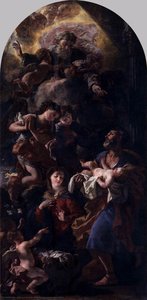
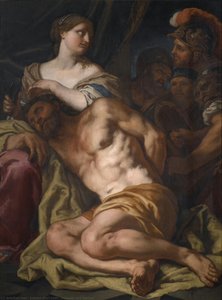
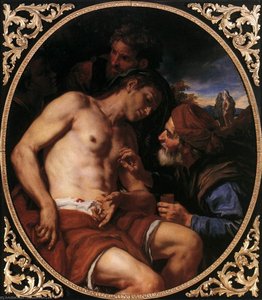
11Christ on the Cross (1665) de Johann Carl LothChrist on the Cross1665 · Bavarian State Painting Collections 12Adoration of the Shepherds (1665) de Johann Carl LothAdoration of the Shepherds1665 · Bavarian State Painting Collections 13David with the Head of Goliath (1665) de Johann Carl LothDavid with the Head of Goliath1665 · Bavarian State Painting Collections 14Mockery of Christ (1665) de Johann Carl LothMockery of Christ1665 · Bavarian State Painting Collections 15Isaac Blesses Jacob (1665) de Johann Carl LothIsaac Blesses Jacob1665 · Bavarian State Painting Collections 16The Shame of Noah (1674) de Johann Carl LothThe Shame of Noah1674 · Bavarian State Painting Collections 17The Dying Seneca (1665) de Johann Carl LothThe Dying Seneca1665 · Bavarian State Painting Collections 18The Rescue of Agrippina, Mother of Nero (1665) de Johann Carl LothThe Rescue of Agrippina, Mother of Nero1665 · Bavarian State Painting Collections 19Boy in Armor (1665) de Johann Carl LothBoy in Armor1665 20Cato the Younger's Death (1672) de Johann Carl LothCato the Younger's Death1672 · Statens Museum For Kunst 21Saint Joseph with the Christ Child (1680) de Johann Carl LothSaint Joseph with the Christ Child1680 · Bavarian State Painting Collections 22Holy Family with the Christ Child John (1680) de Johann Carl LothHoly Family with the Christ Child John1680 · Bavarian State Painting Collections 23Saint John the Baptist (1680) de Johann Carl LothSaint John the Baptist1680 · Slovak National Gallery 24Saint Paul (1675) de Johann Carl LothSaint Paul1675 · Museu Nacional de Varsóvia 25Faun playing the flute. (1675) de Johann Carl LothFaun playing the flute.1675 · Museu Nacional de Varsóvia 26Martyrdom of Gerard of Csanád (1677) de Johann Carl LothMartyrdom of Gerard of Csanád1677 · Musée des Beaux-Arts de Strasbourg 27Holy Family and God the Father (1681) de Johann Carl LothHoly Family and God the Father1681 · San Silvestro 28The Guardian Angel and Archangel Michael (1691) de Johann Carl LothThe Guardian Angel and Archangel Michael1691 · Bavarian State Painting Collections 29Saint Dominic Receives the Rosary (1691) de Johann Carl LothSaint Dominic Receives the Rosary1691 · Bavarian State Painting Collections 30The Death of Cato. (1700) de Johann Carl LothThe Death of Cato.1700 · Museu Nacional de Varsóvia 31Abraham Visited by the Angels de Johann Carl LothAbraham Visited by the Angels 32Death of St Peter Martyr (1691) de Johann Carl LothDeath of St Peter Martyr1691 · Basílica de São João e Paulo 33Apollo, Pan, and Marsyas de Johann Carl LothApollo, Pan, and MarsyasStaatliche Museen zu Berlin 34Éliezer e Rebecca no Poço (1670) de Johann Carl LothÉliezer e Rebecca no Poço1670 · Museu Hermitage 35Self-Portrait de Johann Carl LothSelf-PortraitBavarian State Painting Collections 36The Crowning with thorns de Johann Carl LothThe Crowning with thornsFinnish National Gallery 37Saint Sebastian de Johann Carl LothSaint SebastianNational Gallery Prague 38Adam and Eve de Johann Carl LothAdam and EveKedleston Hall 39Lot and His Daughters de Johann Carl LothLot and His Daughters 40Samson and Delilah de Johann Carl LothSamson and DelilahFondazione Brescia Musei 41Mercury Piping to Argus de Johann Carl LothMercury Piping to ArgusNational Gallery 42Jupiter and Mercury at Philemon and Baucis de Johann Carl LothJupiter and Mercury at Philemon and BaucisKunsthistorisches Museum 43The Good Samaritan de Johann Carl LothThe Good SamaritanKunsthistorisches Museum 44The Good Samaritane (1676) de Johann Carl LothThe Good Samaritane1676 · Kunstsammlungen Graf von Schönborn

Os temas que cativaram o olhar de Johann Carl Loth

Os quatro temas que mais se repetem nestas obras originais, cada um com o seu melhor exemplo.

Os museus que guardam os originais de Johann Carl Loth

Os 8 museus que detêm a maioria das pinturas desta página.

Museus Cidade Obras de Johann Carl Loth Pinturas desta lista
Bavarian State Painting Collections, MuniqueBavarian State Painting Collections Munique 17 The Exposure of the Infant Moses, Christ Appears to Saint Anthony, The Penitent Mary Magdalene
Kunsthistorisches Museum, VienaKunsthistorisches Museum Viena 3 Jacob Blesses Ephraim and Manasseh, Jupiter and Mercury at Philemon and Baucis, The Good Samaritan
Museu Nacional de Varsóvia, VarsóviaMuseu Nacional de Varsóvia Varsóvia 3 Saint Paul, Faun playing the flute., The Death of Cato.
Rijksmuseum, AmsterdãRijksmuseum Amsterdã 1 Selene and Endymion
Art Institute of Chicago, ChicagoArt Institute of Chicago Chicago 1 Old Peasant Lighting a Pipe
Muzeum Palacu Króla Jana Iii w Wilanowie, VarsóviaMuzeum Palacu Króla Jana Iii w Wilanowie Varsóvia 1 Music Lesson
Minneapolis Institute of Art, MinneapolisMinneapolis Institute of Art Minneapolis 1 Diogenes
J. Paul Getty Museum, Los AngelesJ. Paul Getty Museum Los Angeles 1 Susannah and the Elders

Johann Carl Loth ao longo das décadas: uma obra original única para cada uma

Obras por década

Escolha uma década para ver a obra original que a define.

Pinturas de Johann Carl Loth: perguntas para a galeria

Qual é a obra mais famosa de Johann Carl Loth?Revelar a resposta

Selene and Endymion (1670), Rijksmuseum, Amsterdã. Jacob Blesses Ephraim and Manasseh (1692) e Old Peasant Lighting a Pipe (1660) vêm a seguir.

Com que idade Johann Carl Loth criou Selene and Endymion?Revelar a resposta

38 anos: Selene and Endymion data de 1670, e Johann Carl Loth nasceu em 1632.

Quais são as dez pinturas mais famosas de Johann Carl Loth?Revelar a resposta

Selene and Endymion, Jacob Blesses Ephraim and Manasseh, Old Peasant Lighting a Pipe, Music Lesson, Diogenes, Susannah and the Elders, The Exposure of the Infant Moses, Christ Appears to Saint Anthony, The Penitent Mary Magdalene e John the Baptist. O ranking acima apresenta o ano e o museu de cada uma.

Quantas obras de Johann Carl Loth são conhecidas?Revelar a resposta

Nosso catálogo contém 47 obras de Johann Carl Loth, datadas de 1650 a 1692.

Onde se pode ver os originais mais famosos de Johann Carl Loth?Revelar a resposta

Principalmente em Bavarian State Painting Collections (Munique), Kunsthistorisches Museum (Viena) e Museu Nacional de Varsóvia (Varsóvia). A tabela de museus acima lista todos eles.

Em que período Johann Carl Loth criou as suas pinturas mais conhecidas?Revelar a resposta

Em 1660s: 13 das 44 obras nesta página foram feitas então, sendo Old Peasant Lighting a Pipe delas.

Qual pintura famosa de Johann Carl Loth é a mais antiga e qual é a mais recente?Revelar a resposta

Nesta página, a mais antiga é Music Lesson (1650) e a mais recente é Jacob Blesses Ephraim and Manasseh (1692).

Quais temas Johann Carl Loth preferia?Revelar a resposta

Man (28), Drapery (15) e Skin (11), entre as 44 obras nesta página.

Com quais materiais Johann Carl Loth mais pintou?Revelar a resposta

Oil On Canvas, para 23 das 44 obras nesta página.

A qual movimento pertence a obra de Johann Carl Loth?Revelar a resposta

Baroque, a julgar pelos originais nesta página.

Quais originais de Johann Carl Loth posso ver no Bavarian State Painting Collections?Revelar a resposta

The Exposure of the Infant Moses, Christ Appears to Saint Anthony e The Penitent Mary Magdalene: o Bavarian State Painting Collections, Munique detém 17 das obras desta página.

Johann Carl Loth: um retrato do artista

O Mestre Veneziano do Drama: A Vida e o Legado de Johann Carl Loth

Na atmosfera teatral e banhada pelo sol da Veneza do século XVII, poucos artistas capturaram a profunda tensão entre o divino e o terreno com tanta maestria quanto Johann Carl Loth. Nascido por volta de 1632 em Munique, no Eleitorado da Baviera, Loth foi um pintor cuja identidade uniu as robustas tradições da arte alemã com o esplendor luminoso e emotivo do Barroco italiano. Embora seu nome possa não ressoar com o reconhecimento imediato de um Titã, sua presença na paisagem veneziana foi monumental. Ele foi famosamente celebrado pelo biógrafo Arnold Houbraken como um dos três grandes mestres da arte que ostentavam o nome "Karel" — uma distinção prestigiosa que o colocou ao lado de luminares como Karel Duijardin e Carlo Maratta, sinalizando sua ascensão entre a elite da pintura europeia.

A jornada artística de Loth começou sob o olhar atento de seu pai, Johann Ulrich Loth, um pintor que proporcionou o rigor técnico fundamental que permitiria ao filho, mais tarde, experimentar com escalas tão grandiosas. Este treinamento inicial em Munique instilou uma abordagem disciplinada à composição, mas foi sua mudança para Veneza que verdadeiramente acendeu seu espírito criativo. No vibrante meio veneziano, Loth absorveu a influência de Giovan Battista Langetti, adotando um estilo definido pelo chiaroscuro — o jogo dramático entre luz e sombra — e uma inclinação pelo tenebrismo. Esta técnica permitia-lhe esculpir figuras a partir da escuridão, imbuindo suas telas com uma sensação de peso, mistério e urgência espiritual que se tornou sua assinatura inconfundível.

Uma Tapeçaria de Mito e Escritura

O verdadeiro brilho da obra de Loth reside na sua capacidade de transformar a tela em um palco para as narrativas mais épicas da história humana. Ele especializou-se em pinturas históricas de grande escala, frequentemente caracterizadas por cenas de grupo densamente povoadas e lotadas que exigiam imensa habilidade composicional. Seus temas eram extraídos da fonte da mitologia clássica e das profundezas do Antigo Testamento, tratados não apenas como ilustrações, mas como dramas vivos e pulsantes. Seja retratando a intervenção celestial dos deuses ou as provações angustiantes dos patriarcas bíblicos, Loth utilizava uma paleta de cores vibrantes e pinceladas soltas e expressivas para evocar emoção intensa.

Pode-se observar este domínio em obras como Júpiter e Mercúrio em Fílon e Baucis, onde a presença divina é sentida através de uma luz súbita e iluminadora que atravessa o ambiente humilde de uma cabana mortal. Da mesma forma, suas composições religiosas, como A Sagrada Família e Deus Pai, demonstram um comando profundo sobre a profundidade atmosférica e a intimidade sagrada. Sua habilidade de tecer emoções humanas complexas — devoção, medo, reverência e amor familiar — nestas grandes narrativas garantiu que seu trabalho ressoasse muito além das fronteiras da Itália, atraindo a atenção de patronos prestigiados, incluindo o Imperador Leopoldo I da corte de Habsburgo em Viena.

Influência, Colaboração e Significado Duradouro

A carreira de Loth não foi um empreendimento solitário, mas marcada por uma significativa sinergia artística. Em Veneza, ele envolveu-se em colaborações frutíferas com mestres contemporâneos como Pietro Liberi, trabalhando juntos para realizar encomendas ambiciosas que elevaram os padrões da narrativa histórica. Seu estúdio tornou-se um farol para talentos aspirantes; ele mentorou uma geração de pintores, incluindo Michael Wenzel Halbax e Johann Michael Rottmayr, garantindo que suas marcas estilísticas — a iluminação dramática e as composições teatrais — ecoassem pelas décadas seguintes da arte barroca. Mesmo além do reino da pintura, a reputação de Loth atraiu viajantes e artistas abastados, como Cornelis de Bruijn, tornando seu estúdio um nó vital na rede artística europeia.

Ao aproximar-se do fim de sua vida, residindo em Veneza até sua morte em 1698, Loth havia consolidado um legado que transcendia suas origens alemãs. Ele era um pintor capaz de comandar tanto as sombras íntimas de uma figura solitária quanto a energia caótica de uma multidão. Hoje, suas obras residem em algumas das instituições mais estimadas do mundo, desde o Kunsthistorisches Museum em Viena até o Museu Hermitage em São Petersburgo. Através de sua habilidade de unir a disciplina estrutural de sua juventude com a fluidez emotiva da escola veneziana, Johann Carl Loth permanece como uma voz definitiva da era Barroca, lembrando-nos de um tempo em que a arte era uma busca grandiosa e teatral pelo sublime.