Retrato de Henry Ossawa Tanner

Pinturas de Henry Ossawa Tanner: As 100 mais famosas, sob o olhar de uma galeria

Atualizado em Novembro 2026 · classificado pela nossa pontuação de popularidade (pesquisas, visitas e pedidos de cada obra) · 200 obras de Henry Ossawa Tanner em nosso catálogo

Em resumo

Aos olhos da galeria, a pintura mais famosa de Henry Ossawa Tanner é The Pilgrims of Emmaus (1905), cuja obra original está exposta no Musée d'Orsay, em Paris. The Resurrection of Lazarus (1896) e Interior of a Mosque, Cairo (1897) completam o trio que todos reconhecem. Dos 200 trabalhos de Henry Ossawa Tanner em nosso catálogo, a galeria apresenta abaixo as 100 obras mais famosas, cada uma original, com seu ano, seu museu e o que a torna única.

1859 – 1937, Pittsburgh Impressionism Mais obras: Smithsonian American Art Museum

As 10 principais pinturas de Henry Ossawa Tanner na galeria

1
The Pilgrims of Emmaus (1905) de Henry Ossawa Tanner

The Pilgrims of Emmaus

1905 · Oil On Canvas · Musée d'Orsay, Paris

In the quiet, amber glow of a setting sun, Henry Ossawa Tanner captures a moment that transcends the boundaries of time and space. The Pilgrims of Emmaus, painted in 1905, is far more than a mere biblical illustration; it is a profound spiritual experience rendered in oil on canvas. As the viewer approaches this masterpiece, they are immediately drawn into an intimate circle of fellowship. The scene depicts Jesus Christ…

2
The Resurrection of Lazarus (1896) de Henry Ossawa Tanner

The Resurrection of Lazarus

1896 · Oil On Canvas · Musée d'Orsay, Paris

In the quiet, somber depths of a darkened forest, a miracle unfolds that transcends the boundaries of time and mortality. Henry Ossawa Tanner’s 1896 masterpiece, The Resurrection of Lazarus, is far more than a mere biblical illustration; it is a profound meditation on the delicate tension between grief and hope. As viewers approach this evocative oil on canvas, they are immediately enveloped by an atmosphere of heavy mourning. The composition…

3
Interior of a Mosque, Cairo (1897) de Henry Ossawa Tanner

Interior of a Mosque, Cairo

1897 · Oil On Canvas · Museu de Belas Artes de Boston, Boston

Henry Ossawa Tanner's "Interior of a Mosque, Cairo," painted in 1897, is more than just a depiction of an Islamic prayer space; it’s a profound meditation on faith, community, and the interplay of light and shadow. This remarkable oil-on-canvas work, currently residing within the Museum of Fine Arts in Boston, offers a rare glimpse into the heart of 19th-century Cairo – a city brimming with cultural richness and spiritual significance.…

4
The House of Joan of Arc (Domrémy) (1918) de Henry Ossawa Tanner

The House of Joan of Arc (Domrémy)

1918 · Oil On Panel

In the quiet, evocative strokes of Henry Ossawa Tanner’s The House of Joan of Arc (Domrémy), we are transported to a moment where the weight of history meets the stillness of a provincial afternoon. Created in 1918, this profound oil on panel serves as more than just a depiction of a structure; it is a soulful meditation on origins and the enduring spirit of a legend. The painting captures the…

5
The Sleeping Disciples (also known as Christ in the Garden of Gethsemane) (1923) de Henry Ossawa Tanner

The Sleeping Disciples (also known as Christ in the Garden of Gethsemane)

1923 · Oil On Canvas

The scene unfolds within the shadows of the Garden of Gethsemane, a nocturnal setting defined by deep darkness and the quietude of the night. At the center of the composition, Jesus remains awake, his presence marked by a sense of profound solitude and prayerful intensity. He is flanked by two disciples who have succumbed to sleep, their forms resting heavily in the gloom. A single tree rises in the background,…

6
The Good Shepherd (1922) de Henry Ossawa Tanner

The Good Shepherd

1922 · Oil On Canvas

The Good Shepherd is an oil on canvas work by Henry Ossawa Tanner. Created in 1922, this painting offers a quiet meditation on the connection between humanity and the natural world. It is currently held within the collection of the Newark Museum in the United States.

7
Return of the Fisherman (1905) de Henry Ossawa Tanner

Return of the Fisherman

1905 · Oil On Canvas · Herbert F. Johnson Museum of Art, Ithaca

A somber atmosphere defines this oil on canvas, where deep shadows and low-key lighting create a sense of quietude. The composition is dominated by dark blues, blacks, and earthy browns, creating a nocturnal setting that feels both heavy and intimate. Light acts as the primary narrative force, emanating from two distinct sources: a warm, glowing light within a doorway on the right and a small, intense point of light near…

8
The Man Who Rented Boats (1900) de Henry Ossawa Tanner

The Man Who Rented Boats

1900

A public space near the water comes alive in this 1900 depiction of leisure and movement. Figures populate a sidewalk, some walking with purpose while others navigate the space on bicycles. The composition captures a transient moment of daily life, where the presence of a boat and scattered umbrellas suggests a seaside or riverfront setting. Light and shadow define the interaction between the pedestrians and the architecture of the public…

9
Two Disciples at the Tomb (1924) de Henry Ossawa Tanner

Two Disciples at the Tomb

1924 · Oil On Canvas

The painting titled Two Disciples at the Tomb was created by Henry Ossawa Tanner in 1905. It captures a specific biblical scene: the Resurrection of Christ. Within the frame, the disciples Peter and John stand before the empty tomb. The air in the work feels heavy with the weight of mourning and the quiet pulse of faith. It is a moment of profound stillness.

10
Mary (also known as La Sainte-Marie) (1898) de Henry Ossawa Tanner

Mary (also known as La Sainte-Marie)

1898 · Oil On Canvas

Mary (also known as La Sainte-Marie) - A Portrait of Contemplation Subject: The artwork portrays Mary, traditionally understood as the Virgin Mary, seated in a simple interior setting. It's not a depiction of a joyous or celebratory moment but rather one of quiet contemplation and perhaps sorrow. Style: Henry Ossawa Tanner masterfully employs a realistic style, characterized by meticulous attention to detail and a keen observation of light and shadow.…

Pinturas de Henry Ossawa Tanner, classificadas de 11 a 100

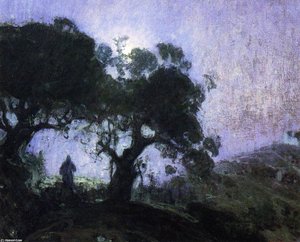
11Mountain Landscape, Highlands, North Carolina (1889) de Henry Ossawa TannerMountain Landscape, Highlands, North Carolina1889 12LE CHRIST ET SES DISCIPLES SUR LA ROUTE DE BETHANIE de Henry Ossawa TannerLE CHRIST ET SES DISCIPLES SUR LA ROUTE DE BETHANIE 13The Destruction of Sodom and Gomorrah (1928) de Henry Ossawa TannerThe Destruction of Sodom and Gomorrah1928 · High Museum of Art 14Untitled (Nocturnal Landscape) (1901) de Henry Ossawa TannerUntitled (Nocturnal Landscape)1901 · Herbert F. Johnson Museum of Art 15The Witch Hunt (1882) de Henry Ossawa TannerThe Witch Hunt1882 16Sister Sarah (1881) de Henry Ossawa TannerSister Sarah1881 17Study of a Negro Man (1891) de Henry Ossawa TannerStudy of a Negro Man1891 18Spinning By Firelight (1894) de Henry Ossawa TannerSpinning By Firelight1894 19Study of an Arab, (painting) (1897) de Henry Ossawa TannerStudy of an Arab, (painting)1897 20Portrait of the Artist's Mother (1897) de Henry Ossawa TannerPortrait of the Artist's Mother1897 · Philadelphia Museum of Art 21Study for the Young Sabot Maker (1893) de Henry Ossawa TannerStudy for the Young Sabot Maker1893 22Christ at the Home of Mary and Martha, (painting) (1905) de Henry Ossawa TannerChrist at the Home of Mary and Martha, (painting)1905 23The Savior, (painting) (1905) de Henry Ossawa TannerThe Savior, (painting)1905 24Abraham's Oak (1905) de Henry Ossawa TannerAbraham's Oak1905 25Gateway Tangier (1910) de Henry Ossawa TannerGateway Tangier1910 26Street in Tangier (1910) de Henry Ossawa TannerStreet in Tangier1910 · Smithsonian American Art Museum 27Portrait of Booker T. Washington (1917) de Henry Ossawa TannerPortrait of Booker T. Washington1917 28The Good Shepherd (1917) de Henry Ossawa TannerThe Good Shepherd1917 · Crystal Bridges Museum of American Art 29Fishermen at Sea, (painting) (1913) de Henry Ossawa TannerFishermen at Sea, (painting)1913 30Fishermen's Return (1926) de Henry Ossawa TannerFishermen's Return1926 31The Good Shepherd (1930) de Henry Ossawa TannerThe Good Shepherd1930 32Two Disciples at the Tomb (1905) de Henry Ossawa TannerTwo Disciples at the Tomb1905 · Art Institute of Chicago 33Haystacks (1930) de Henry Ossawa TannerHaystacks1930 · Smithsonian American Art Museum 34The Young Sabot Maker (1895) de Henry Ossawa TannerThe Young Sabot Maker1895 · Nelson-Atkins Museum of Art 35Return of the Holy Women (1904) de Henry Ossawa TannerReturn of the Holy Women1904 36Head of a Jew in Palestine (1899) de Henry Ossawa TannerHead of a Jew in Palestine1899 · Smithsonian American Art Museum 37Fauna (1878) de Henry Ossawa TannerFauna1878 38Study for The Jews' Wailing Place (1897) de Henry Ossawa TannerStudy for The Jews' Wailing Place1897 · Rhode Island School of Design Museum of Art 39Le Touquet (1910) de Henry Ossawa TannerLe Touquet1910 40Study for The Young Sabot Maker (1894) de Henry Ossawa TannerStudy for The Young Sabot Maker1894 41Palace of Justice, Tangier (1912) de Henry Ossawa TannerPalace of Justice, Tangier1912 42Study for The Annunciation (1898) de Henry Ossawa TannerStudy for The Annunciation1898 43Mary (1914) de Henry Ossawa TannerMary1914 · Smithsonian American Art Museum 44The Good Shepherd (1917) de Henry Ossawa TannerThe Good Shepherd1917 45The Seine (1902) de Henry Ossawa TannerThe Seine1902 · National Gallery of Art 46War Scene, Etaples, France (1914) de Henry Ossawa TannerWar Scene, Etaples, France1914 47Mountain Landscape, Highlands, North Carolina (1889) de Henry Ossawa TannerMountain Landscape, Highlands, North Carolina1889 · Smithsonian American Art Museum 48Christ at the Home of Mary and Martha (1905) de Henry Ossawa TannerChrist at the Home of Mary and Martha1905 49The Good Shepherd (Atlas Mountains, Morocco) (1930) de Henry Ossawa TannerThe Good Shepherd (Atlas Mountains, Morocco)1930 · Smithsonian American Art Museum 50Miraculous Haul of Fishes (1913) de Henry Ossawa TannerMiraculous Haul of Fishes1913 · National Academy of Design 51Seascape - Jetty (1876) de Henry Ossawa TannerSeascape - Jetty1876 52Seascape - Jetty (1876) de Henry Ossawa TannerSeascape - Jetty1876 53Harbor Scene (1876) de Henry Ossawa TannerHarbor Scene1876 54The Laundress (1880) de Henry Ossawa TannerThe Laundress1880 55Sand Dunes at Sunset, Atlantic City (1885) de Henry Ossawa TannerSand Dunes at Sunset, Atlantic City1885 56Ship in a Storm (1879) de Henry Ossawa TannerShip in a Storm1879 57Study for Androcles (1885) de Henry Ossawa TannerStudy for Androcles1885 58Lion Licking Its Paw (1886) de Henry Ossawa TannerLion Licking Its Paw1886 59Wynkoop House, Old Haarlem (1888) de Henry Ossawa TannerWynkoop House, Old Haarlem1888 · New Britain Museum of American Art 60Concarneau (1891) de Henry Ossawa TannerConcarneau1891 61Sand Dunes at Sunset, Atlantic City (1886) de Henry Ossawa TannerSand Dunes at Sunset, Atlantic City1886 62Untitled Landscape (1889) de Henry Ossawa TannerUntitled Landscape1889 63Georgia Landscape (1889) de Henry Ossawa TannerGeorgia Landscape1889 64Mountain Landscape, Highlands, North Carolina (1889) de Henry Ossawa TannerMountain Landscape, Highlands, North Carolina1889 65Study for The Bagpipe Lesson (1892) de Henry Ossawa TannerStudy for The Bagpipe Lesson1892 66Horse and Two Dogs in a Landscape (1891) de Henry Ossawa TannerHorse and Two Dogs in a Landscape1891 67Highlands, N.C (1889) de Henry Ossawa TannerHighlands, N.C1889 · Smithsonian American Art Museum 68Study for the Young Sabot Maker (1895) de Henry Ossawa TannerStudy for the Young Sabot Maker1895 · Smithsonian American Art Museum 69Study for the Bagpipe Lesson (1892) de Henry Ossawa TannerStudy for the Bagpipe Lesson1892 · Smithsonian American Art Museum 70Kansas City, Kansas (1898) de Henry Ossawa TannerKansas City, Kansas1898 · Smithsonian American Art Museum 71The Annunciation to the Shepherds (1895) de Henry Ossawa TannerThe Annunciation to the Shepherds1895 72Lion Drinking (1897) de Henry Ossawa TannerLion Drinking1897 73Florida (1894) de Henry Ossawa TannerFlorida1894 74Lions in the Desert (1897) de Henry Ossawa TannerLions in the Desert1897 75View of the Seine Looking toward Notre Dame (1896) de Henry Ossawa TannerView of the Seine Looking toward Notre Dame1896 76A Mosque in Cairo (1897) de Henry Ossawa TannerA Mosque in Cairo1897 77Spinning by Firelight - The Boyhood of George Washington Gray (1894) de Henry Ossawa TannerSpinning by Firelight - The Boyhood of George Washington Gray1894 · Yale University Art Gallery 78A View in Palestine (1898) de Henry Ossawa TannerA View in Palestine1898 79Edge of the Forest (1893) de Henry Ossawa TannerEdge of the Forest1893 80Florida (1894) de Henry Ossawa TannerFlorida1894 81Crossing the Atlantic (Return Home) (1894) de Henry Ossawa TannerCrossing the Atlantic (Return Home)1894 · Smithsonian American Art Museum 82And He Disappeared out of Their Sight (1898) de Henry Ossawa TannerAnd He Disappeared out of Their Sight1898 · Smithsonian American Art Museum 83Study for the Annunciation (1898) de Henry Ossawa TannerStudy for the Annunciation1898 · Smithsonian American Art Museum 84Untitled (1901) de Henry Ossawa TannerUntitled1901 · El Paso Museum of Art 85Job and His Three Friends (1904) de Henry Ossawa TannerJob and His Three Friends1904 86The Good Shepherd (1902) de Henry Ossawa TannerThe Good Shepherd1902 · Zimmerli Art Museum at Rutgers University 87Night (1905) de Henry Ossawa TannerNight1905 88The Savior (1905) de Henry Ossawa TannerThe Savior1905 · Smithsonian American Art Museum 89Study for Nicodemus Visiting Jesus (1899) de Henry Ossawa TannerStudy for Nicodemus Visiting Jesus1899 90Head of a Jew in Palestine (1899) de Henry Ossawa TannerHead of a Jew in Palestine1899 91Gateway, Tangier (1910) de Henry Ossawa TannerGateway, Tangier1910 · Smithsonian American Art Museum 92The Holy Family (1909) de Henry Ossawa TannerThe Holy Family1909 · Muskegon Museum of Art 93Midday, Tangiers (1910) de Henry Ossawa TannerMidday, Tangiers1910 94The Flight into Egypt (1907) de Henry Ossawa TannerThe Flight into Egypt1907 · Cincinnati Art Museum 95Le Tonquet, (painting) de Henry Ossawa TannerLe Tonquet, (painting) 96In Constantine (1908) de Henry Ossawa TannerIn Constantine1908 97Rebecca (Another Subject, Unfinished, on Reverse), (painting) de Henry Ossawa TannerRebecca (Another Subject, Unfinished, on Reverse), (painting) 98Fishermen's Devotions, Étaples (1910) de Henry Ossawa TannerFishermen's Devotions, Étaples1910 99Christ and His Desciples on the Sea of Galilee (1910) de Henry Ossawa TannerChrist and His Desciples on the Sea of Galilee1910 100Christ Learning to Read (1910) de Henry Ossawa TannerChrist Learning to Read1910

Pinturas famosas de Henry Ossawa Tanner, período por período

Os temas que cativaram o olhar de Henry Ossawa Tanner

Os quatro temas que mais se repetem nestas obras originais, cada um com o seu melhor exemplo.

Os museus que guardam os originais de Henry Ossawa Tanner

Os 8 museus que detêm a maioria das pinturas desta página.

Museus Cidade Obras de Henry Ossawa Tanner Pinturas desta lista
Smithsonian American Art Museum, Washington, D.C.Smithsonian American Art Museum Washington, D.C. 45 Street in Tangier, Haystacks, Head of a Jew in Palestine
Musée d'Orsay, ParisMusée d'Orsay Paris 4 The Pilgrims of Emmaus, The Resurrection of Lazarus
Herbert F. Johnson Museum of Art, IthacaHerbert F. Johnson Museum of Art Ithaca 2 Return of the Fisherman, Untitled (Nocturnal Landscape)
Philadelphia Museum of Art, FiladélfiaPhiladelphia Museum of Art Filadélfia 4 Portrait of the Artist's Mother
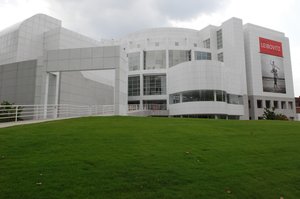
High Museum of Art, AtlantaHigh Museum of Art Atlanta 3 The Destruction of Sodom and Gomorrah
Museu de Belas Artes de Boston, BostonMuseu de Belas Artes de Boston Boston 2 Interior of a Mosque, Cairo
National Gallery of Art, WashingtonNational Gallery of Art Washington 2 The Seine
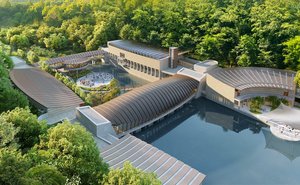
Crystal Bridges Museum of American Art, BentonvilleCrystal Bridges Museum of American Art Bentonville 1 The Good Shepherd

Henry Ossawa Tanner, uma pintura emblemática por década

Obras por década

Escolha uma década para ver a obra original que a define.

Pinturas de Henry Ossawa Tanner: a galeria responde

Qual pintura de Henry Ossawa Tanner é a mais famosa de todas?Revelar a resposta

The Pilgrims of Emmaus (1905), Musée d'Orsay, Paris. The Resurrection of Lazarus (1896) e Interior of a Mosque, Cairo (1897) vêm a seguir.

Qual era a idade de Henry Ossawa Tanner ao concluir The Pilgrims of Emmaus?Revelar a resposta

46 anos: The Pilgrims of Emmaus data de 1905, e Henry Ossawa Tanner nasceu em 1859.

Quais são as 10 principais pinturas de Henry Ossawa Tanner?Revelar a resposta

The Pilgrims of Emmaus, The Resurrection of Lazarus, Interior of a Mosque, Cairo, The House of Joan of Arc (Domrémy), The Sleeping Disciples (also known as Christ in the Garden of Gethsemane), The Good Shepherd, Return of the Fisherman, The Man Who Rented Boats, Two Disciples at the Tomb e Mary (also known as La Sainte-Marie). O ranking acima apresenta o ano e o museu de cada uma.

Quantas obras Henry Ossawa Tanner criou?Revelar a resposta

Nosso catálogo contém 200 obras de Henry Ossawa Tanner, datadas de 1876 a 1930.

Onde estão expostos os originais mais famosos de Henry Ossawa Tanner?Revelar a resposta

Principalmente em Smithsonian American Art Museum (Washington, D.C.), Musée d'Orsay (Paris) e Herbert F. Johnson Museum of Art (Ithaca). A tabela de museus acima lista todos eles.

Quando é que Henry Ossawa Tanner criou as suas pinturas mais famosas?Revelar a resposta

Em 1890s: 34 das 100 obras nesta página foram feitas então, sendo The Resurrection of Lazarus delas.

Quais são as obras mais famosas de Henry Ossawa Tanner no início e no fim de sua carreira?Revelar a resposta

Nesta página, a mais antiga é Seascape - Jetty (1876) e a mais recente é The Good Shepherd (1930).

Quais temas Henry Ossawa Tanner mais explorou?Revelar a resposta

Landscape (10), Portrait (7) e American art (6), entre as 100 obras nesta página.

Em qual técnica Henry Ossawa Tanner mais trabalhou?Revelar a resposta

Oil On Canvas, para 25 das 100 obras nesta página.

Com qual movimento Henry Ossawa Tanner está associado(a)?Revelar a resposta

Impressionism, a julgar pelos originais nesta página.

Quais obras originais de Henry Ossawa Tanner o Smithsonian American Art Museum possui?Revelar a resposta

Street in Tangier, Haystacks e Head of a Jew in Palestine: o Smithsonian American Art Museum, Washington, D.C. detém 15 das obras desta página.

Henry Ossawa Tanner: o artista

Henry Ossawa Tanner - Um Pioneiro da Arte Afroamericana

Henry Ossawa Tanner (OS-uh-wuh) foi um pintor estadunidense e o primeiro pintor afro-estadunidense a obter aclamação internacional. Ele nasceu em Pittsburgh, Pensilvânia, em 21 de junho de 1859, filho de Benjamin Tucker Tanner, um futuro bispo na Igreja Metodista Episcopal Africana (AME), e Sarah Miller Tanner, uma mulher que escapou da escravidão pela Ferrovia Subterrânea. Seu pai era educado na Universidade Avery e Seminário Teológico Ocidental em Pittsburgh, onde desenvolveu uma carreira literária.

Sarah Tanner havia sido libertada como escrava por meio da Ferrovia Subterrânea e compartilhava o compromisso de seu marido com a educação ao conduzir uma escola comunitária em sua casa em Pittsburgh. Sua origem branca influenciou a aparência física de Henry, que nasceu com uma pele clara.

Desde cedo, Tanner demonstrou um interesse excepcional pela arte, nutrido por observações de artistas locais e incentivado apesar das barreiras sociais enfrentadas por artistas afro-americanos na época. Sua família mudou-se para Filadélfia em 1868, onde ele estudou na Academia Filadélfia das Artes em 1879 sob a tutela de Thomas Eakins—um revolucionário figura defendendo o realismo e o estudo anatômico—e ali desenvolveu suas habilidades técnicas e um firme compromisso em capturar a verdade sobre tela.

Paris e o Desenvolvimento Artístico

Um ponto crucial ocorreu em 1891 quando Tanner embarcou em uma jornada para Paris, inicialmente com a intenção de estudar na Academia Julien em Roma. No entanto, o fascínio pela cidade francesa provou ser irresistível. Ele se matriculou na Academia Julian, imergindo-se no vibrante cenário cultural parisiense e absorvendo as influências da arte acadêmica francesa e do Impressionismo emergente. Foi em Paris que Tanner realmente encontrou sua voz, libertado de algumas das restrições impostas pelo preconceito racial em casa.

Em 1896, a aceitação de Daniel na Lions pela prestigiosa Salon foi um marco histórico—uma afirmação estrondosa do talento dele e uma ruptura para um pintor afro-americano no palco internacional. Esse sucesso abriu portas para mais exposições e encomendas, estabelecendo Tanner como uma figura respeitada nos círculos artísticos franceses. Ele não apenas sobrevivia; ele prosperava, desafiando expectativas e abrindo caminho para futuras gerações de artistas.

Temas Religiosos e Realismo Sensível

A obra de Tanner é caracterizada por uma combinação fascinante entre realismo, simbolismo religioso e retratos íntimos da experiência humana. Embora suas obras iniciais como “O Lição do Banjo” oferecessem representações dignificantes da vida afro-americana—um contraste marcante com os estereótipos predominantes na época—ele passou a explorar narrativas bíblicas como meio de investigar temas universais de fé, sofrimento e redenção. Pinturas como “Cristo Caminhando Sobre a Água” e “A Ressurreição de Lázaro” não são apenas imagens da Escritura; elas são meditações profundas sobre espiritualidade, apresentadas com controle técnico impecável e emoção refinada.

Além das obras religiosas, Tanner também explorou paisagens panorâmicas—como a vasta “Vista Panorâmica do Palácio e Jardins de Versalhes”—demonstrando sua versatilidade e domínio técnico. Sua abordagem artística refletiu uma profunda influência da Escola Acadêmica Francesa e um reconhecimento crescente da beleza estética como expressão de valores humanos elevados.

Legado e Reconhecimento Internacional

Henry Ossawa Tanner permanece uma figura monumental na história da arte americana, não apenas por suas conquistas artísticas, mas também por seu papel pioneiro na quebra de barreiras raciais. Ele foi o primeiro pintor afro-americano a obter reconhecimento internacional generalizado, desafiando estereótipos e abrindo portas para inúmeros artistas que o seguiram. Seu sucesso desafiou expectativas e demonstrou que talento não conhece cor.

Tanner tornou-se um símbolo de esperança e resiliência para a comunidade afro-americana, provando que excelência pode triunfar sobre adversidade. Em 1923, ele foi homenageado como cavaleiro da Legião Honorária pelo governo francês—uma testemunha adicional de sua estatura artística.

Ele passou longe de Paris em 1937, onde faleceu pacificamente aos 77 anos após uma vida dedicada à arte e à luta pela igualdade. Sua obra permanece um poderoso lembrete do poder transformador da arte e da força espiritual humana.