A Sanctuary of Spirit and Stone: The Soul of Gdańsk
To step into the National Museum in Gdańsk is to cross a threshold between the frenetic energy of the modern Baltic coast and the profound, contemplative silence of the past. Nestled within the hallowed, late-Gothic walls of a former Franciscan monastery, the museum offers far more than a mere display of artifacts; it provides a sensory journey through the very fabric of Polish identity. The architecture itself acts as a silent protagonist in this narrative. As one wanders through the cloisters and the vaulted halls of the monastery—a structure that has stood since the first half of the 15th century—the weight of history becomes palpable. The transition from the academic gymnasium and library spaces of centuries past to a world-class repository of art creates an atmosphere of intellectual grandeur, where every stone seems to whisper stories of the monks who once sought solace within these same boundaries.
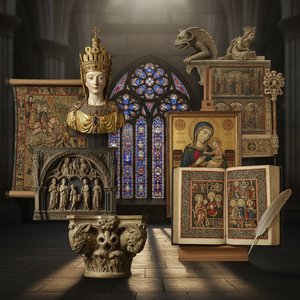
The museum’s true heartbeat, however, lies in its incomparable collection of Early Netherlandish and Medieval masterpieces. For the discerning collector or lover of fine detail, the Opatów Palace wing offers a breathtaking encounter with the sublime. Here, Hans Memling's monumental triptych, The Last Judgement, commands the room with an almost supernatural intensity. The meticulous realism characteristic of the period—the way light catches the delicate textures of fabric and the profound theological symbolism embedded in every brushstroke—serves as a masterclass in Renaissance precision. This collection is further enriched by the legacy of Jacob Kabrun, whose generous bequest brought thousands of European drawings, prints, and paintings to Gdańsk, bridging the gap between the late 15th and early 19th centuries and creating a continuous thread of artistic excellence that spans generations.
Beyond the medieval shadows, the museum evolves into a vibrant dialogue with modernity. In the opulent settings of the Opatów Palace and through the innovative lens of NOMUS—Poland’s youngest museum of contemporary art—visitors encounter the turbulent beauty of the 20th century. This juxtaposition of the ancient and the avant-garde is what makes the institution a unique destination for interior designers and curators alike; it is a place where the Baroque flourishes of Daniel II Schultz meet the experimental installations of today. The museum’s reach extends even further, with specialized branches like the Museum of the National Anthem and the Gallery of Photography, ensuring that the narrative of Gdańsk is told through every medium imaginable, from the delicate glaze of antique porcelain to the silvered grain of a vintage photograph.
For those seeking inspiration, the National Museum in Gdańsk stands as a testament to the enduring power of preservation. It is not merely a place where art is kept, but where it is kept alive. Through rigorous conservation and dynamic temporary exhibitions held in iconic locations like the Green Gate, the museum ensures that the artistic soul of Poland remains a living, breathing entity. Whether one is drawn by the intricate craftsmanship of historical jewelry or the sweeping emotional landscapes of Polish Romanticism, the museum offers an unparalleled sanctuary for those who find beauty in the intersection of history, art, and human emotion.