
A Journey Through Barcelona’s Soul: The Palau de la Llotja
Nestled in the heart of Barcelona's vibrant Ribera district, the Palau de la Llotja stands as more than just a building; it’s a tangible embodiment of the city’s mercantile past and a testament to Catalan artistic evolution. Originally conceived as a bustling trading exchange in the 14th century, this imposing structure has witnessed centuries of transformation – from its Gothic roots to its elegant Neoclassical façade, reflecting Barcelona's dynamic history and its pivotal role in Mediterranean commerce. Today, it offers visitors an unparalleled opportunity to step back in time, immersing themselves in the sights, sounds, and stories of a city that once dominated global trade routes.
The Palau’s architectural narrative is particularly captivating. The initial construction, dating back to the mid-14th century, showcases the robust beauty of Catalan Gothic architecture – soaring arches, intricate stonework, and a sense of verticality designed to inspire awe and reflect the importance of the institution within it. However, the building's true transformation began in the 18th century with the addition of a magnificent Neoclassical façade, commissioned by Pere Llobet, a prominent merchant who recognized the need for a more imposing and representative space. This deliberate juxtaposition – the raw power of Gothic alongside the refined elegance of Neoclassicism – creates a visual dialogue that speaks volumes about Barcelona’s evolving identity. The building's strategic location overlooking the port further emphasized its role as the city’s commercial gateway, a position it held for centuries.
A Treasure Trove of Catalan Art and Historical Artifacts
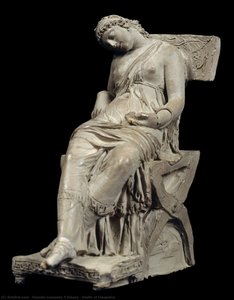
Within the Palau’s walls lies a remarkable collection that delves deep into Catalan history and artistic heritage. The museum proudly displays a diverse array of artworks spanning several centuries, offering a comprehensive overview of the region's creative spirit. A highlight is undoubtedly the “Lucretia Sculpture,” a masterpiece of late medieval sculpture renowned for its exquisite detail and poignant depiction of the Roman legend. The sculpture’s masterful craftsmanship speaks to the artistic skill prevalent during that era, while also hinting at the moral and religious themes that shaped Catalan society.
Beyond individual works, the museum houses an extensive collection of historical artifacts – maps charting trade routes across the Mediterranean, documents detailing commercial agreements, and even remnants of medieval trading tools. These tangible objects provide a fascinating glimpse into the daily lives of merchants, sailors, and financiers who once populated the Palau’s halls. Furthermore, the museum's commitment to showcasing Catalan art extends beyond sculpture, encompassing paintings, ceramics, and textiles that reflect the region’s unique artistic traditions.
Picasso’s Early Years & The Legacy of Commerce
The connection between Pablo Picasso and the Palau de la Llotja is a particularly intriguing aspect of its history. Young Picasso spent his formative years in Barcelona, living near the building and frequently visiting the area. It's believed that the bustling atmosphere of the Ribera district – with its vibrant markets, diverse population, and constant flow of people – profoundly influenced his artistic development, providing him with a rich source of inspiration for his early works. The museum thoughtfully incorporates exhibits exploring this connection, offering visitors a unique perspective on the artist’s origins.
Moreover, the Palau's history is inextricably linked to Barcelona’s role as a major trading center. For centuries, it served as the seat of the *Cambra de Comerç*, the Chamber of Commerce, and later the *Consulate of the Sea*, institutions responsible for regulating maritime trade and ensuring the city’s economic prosperity. The museum meticulously reconstructs this historical context through detailed displays and informative panels, illuminating the complex interplay between commerce, law, and social life in medieval Barcelona.
A Living Landmark: Tours & Unique Experiences
The Palau de la Llotja offers visitors a variety of engaging experiences, catering to diverse interests. Guided tours provide invaluable insights into the building’s architectural features, historical significance, and artistic treasures. Self-guided exploration options allow visitors to delve deeper at their own pace, while special exhibitions regularly showcase new discoveries and thematic explorations. Don't miss the opportunity to ascend to the rooftop terrace for panoramic views of Barcelona – a perfect vantage point to appreciate the city’s architectural landscape and its rich maritime heritage.
The Palau de la Llotja is more than just a museum; it’s a living landmark that continues to shape Barcelona's cultural identity. It stands as a powerful reminder of the city’s past, present, and future – a testament to the enduring spirit of commerce, art, and innovation.