A Legacy of Dutch Brilliance and Swiss Artistic Identity
The Museum Briner und Kern, nestled in the charming city of Winterthur, Switzerland, stands as a testament to a singular vision—preserving and celebrating specialized artistic heritage. Though permanently closed its doors to visitors, its influence on the understanding of 17th-century Dutch painting and Swiss art history continues to resonate within the broader cultural landscape. This former institution served as an invaluable repository for masterpieces crafted during two pivotal eras, offering scholars and enthusiasts alike a rare opportunity to immerse themselves in artistic excellence.
Dutch Old Masters:
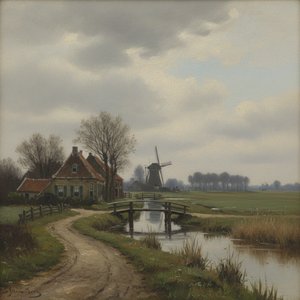
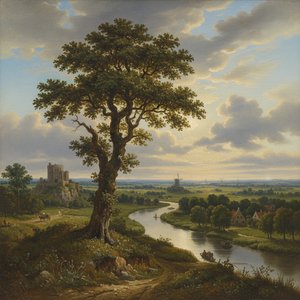
The museum’s core strength resided in its meticulously curated selection of paintings from the Dutch Golden Age. These works exemplify the Baroque aesthetic, characterized by dramatic chiaroscuro lighting and meticulous detail—techniques perfected by artists like Pieter Claesz who captured the essence of *Vanitas*, reminding viewers of mortality alongside opulent beauty. Notable painters included Adriaen van Ostade, Rembrandt, and Pieter de Hooch whose genre scenes depicted everyday life with remarkable realism and psychological insight. Their canvases breathed with a palpable sense of observation, conveying not merely visual information but also nuanced emotional states—a hallmark of the period’s artistic ambition. The Briner and Kern collection showcased an impressive array of landscapes by Willem van de Velde I and Jacob van Ruisdael, reflecting the fascination for capturing the grandeur of nature during this era. Furthermore, Pieter Lastmann's portraits offered glimpses into the aristocratic circles of Switzerland and beyond.
Swiss Art (18th & 19th Centuries):
Alongside Dutch treasures, the museum championed Swiss artistic production spanning the 18th and 19th centuries. This collection showcased both established masters like Johann Christian Zellner and emerging talents exploring themes of Alpine landscapes and portraiture. It served as a crucial element in establishing Switzerland’s national artistic identity—a narrative interwoven with influences from Northern European traditions. The meticulous craftsmanship evident in Zellner's frescoes exemplifies the classical ideals prevalent during his time, while Swiss landscape painters skillfully rendered the breathtaking vistas of the Alps, capturing their sublime beauty and conveying a profound connection to the natural world.
Miniature Paintings:
Perhaps the museum’s most distinctive feature was its extraordinary assemblage of miniature paintings. These diminutive artworks demanded exceptional skill and precision, reflecting the meticulous craftsmanship of artists who transformed ivory or tortoiseshell into breathtakingly detailed scenes—often capturing intimate portraits or mythological narratives with astonishing accuracy. The delicate brushstrokes and luminous pigments achieved in these miniatures testified to an unparalleled level of artistic virtuosity, transforming seemingly insignificant materials into objects of exquisite beauty and symbolic significance. They represented a pinnacle of decorative art, embodying the refined tastes of aristocratic patrons who commissioned them as expressions of personal devotion and cultural prestige.
The Genesis of Collection Strategy:
Recognizing the importance of focusing on specific artistic movements, the Briner and Kern collections were established as a separate entity to maximize the impact of these specialized holdings. This deliberate approach fostered an environment conducive to deep engagement with art history—encouraging visitors to contemplate not just individual artworks but also their place within broader cultural contexts. The museum’s curators meticulously researched provenance and stylistic analysis, ensuring that each piece contributed meaningfully to scholarly understanding.
Architectural Character & Exhibitions:
Located in Winterthur, the region's appreciation for classical design principles undoubtedly influenced the building's form and ornamentation—reflecting a commitment to preserving Switzerland’s artistic heritage. Throughout its active years, Museum Briner und Kern hosted several exhibitions that drew considerable acclaim. These events illuminated lesser-known aspects of Dutch and Swiss art history, stimulating scholarly debate and captivating the public imagination. The exhibitions were thoughtfully conceived, presenting artworks in contextualized settings that fostered dialogue between artists and audiences alike.