A Sanctuary of History and Faith: Exploring Museo de Intramuros
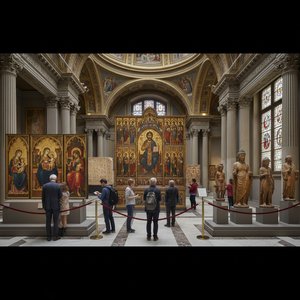
The Museo de Intramuros stands as a testament to the enduring legacy of Spanish colonialism in the Philippines, offering visitors an unparalleled opportunity to step back in time and immerse themselves within the heart of Filipino history. Located squarely within the UNESCO World Heritage Site of Intramuros itself – a labyrinthine walled city meticulously preserved – this museum isn’t merely displaying artifacts; it's presenting an experience that breathes with the spirit of centuries past.
A Treasure Trove of Religious Art
The museum’s core collection focuses on religious art, reflecting the profound influence of Catholicism upon Filipino culture during the colonial era. Sculptures crafted from ivory and marble dominate the gallery spaces, depicting saints and biblical figures rendered with remarkable detail and imbued with a palpable sense of devotion. Paintings showcase vibrant hues and masterful brushstrokes—techniques borrowed directly from European artistic traditions yet subtly adapted to resonate with Filipino sensibilities. Particularly noteworthy are depictions of Santo Niño de Cebu, symbolizing the Holy Child Jesus – an icon deeply ingrained in Philippine faith and artistry. The meticulous craftsmanship speaks volumes about the importance placed on religious expression during this formative period.
Echoes of Spanish Rule: Historical Artifacts That Speak Volumes
Beyond its artistic treasures, Museo Intramuros houses a captivating assemblage of historical artifacts that illuminate daily life under Spanish dominion. From exquisitely embroidered textiles to ornate furniture crafted from mahogany and gilded bronze, these objects transport visitors into the opulent residences of colonial officials and the bustling marketplaces of Manila’s past. Examining documents penned in Spanish script unveils insights into governance, legal proceedings, and administrative practices—providing a nuanced understanding of how Spain shaped the political landscape of the Philippines. Fragments of ceramics and glassware offer glimpses into trade routes connecting Europe and Asia, demonstrating the interconnectedness of cultures during this era.
The Architecture That Enhances Perception
The museum’s location within Intramuros is itself an integral component of its artistic significance. The surrounding buildings—Fort Santiago, Casa Manila, San Agustin Church—are architectural marvels embodying Spanish colonial grandeur and representing a masterful blend of European styles with indigenous craftsmanship. Walking through these cobblestone streets evokes the atmosphere of a bygone era, allowing visitors to appreciate how the physical environment contributes to the museum’s immersive narrative. The meticulous restoration efforts undertaken to preserve these structures underscore the commitment to safeguarding Intramuros' heritage for future generations.
Notable Exhibitions and Ongoing Research
Museo de Intramuros regularly hosts exhibitions exploring diverse themes related to Philippine history and art, fostering dialogue between scholars and the public alike. Recent initiatives have focused on showcasing Filipino artists responding to contemporary issues—demonstrating that artistic tradition continues to evolve while retaining its connection to the past. Furthermore, ongoing research into archival materials contributes to a deeper understanding of Intramuros’ role in shaping Filipino identity and culture.
A Unique Encounter With Philippine Heritage
Ultimately, Museo de Intramuros distinguishes itself through its unparalleled setting—a living museum where history unfolds within beautifully preserved architectural spaces. It's more than just observing art; it’s experiencing the spirit of a nation’s formative years. For collectors seeking exceptional pieces reflecting this era and interior designers aiming to evoke timeless elegance, Museo Intramuros presents an unforgettable journey into the soul of Filipino culture.