- Strona główna

- Muzea
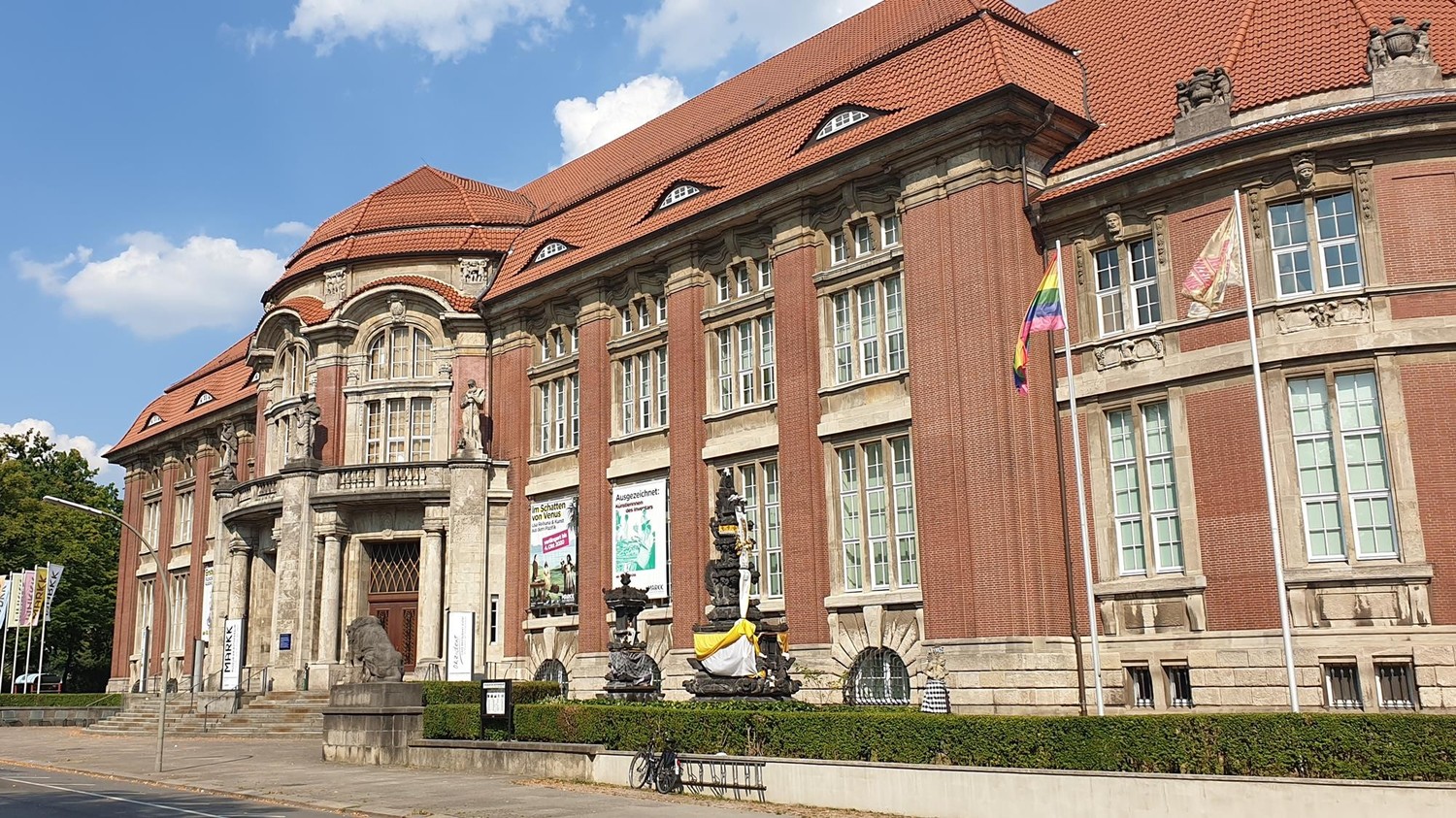
- Hamburg Archaeological Museum
Spis treści
Kluczowe informacje
- Featured artists:
- johannes bildhauer
- franz bernhard schuller
- engelbert joseph peiffer
- Movements: realism
- Location: Hamburg, Germany
- Works on APS: 3
- Alternate names:
- Archäologisches Museum Hamburg
- Hamburg Archaeological Museum
- Hamburg Archaeology Museum
- Helms-Museum
Quiz o sztuce
Na każde pytanie jest tylko jedna prawidłowa odpowiedź.
Pytanie 1:
What is the Hamburg Archaeological Museum primarily focused on?
Pytanie 2:
Approximately how many objects are housed in the museum's collection?
Pytanie 3:
Which of the following notable finds is featured prominently in the museum's exhibition?
Pytanie 4:
When was the Hamburg Archaeological Museum established?
Pytanie 5:
The museum’s current name includes the designation ‘Helms-Museum’. What does this signify?
Artyści w kolekcji

Johannes Bildhauer
Odkryj poruszające rzeźby Johannesa Bildhauera – słynne z monumentalnych postaci i głębokich studiów nad ludzką formą. Poznaj jego dziedzictwo w Dreźnie i nie tylko.


franz bernhard schuller
Discover Franz Bernhard Schuller's sculptures – German sculptor (1815-1857) known for works like Charlemagne & featuring in Orsay & Louvre collections.

engelbert joseph peiffer
Explore the sculptures of Engelbert Joseph Peiffer (1830-1896), a German artist known for his 19th-century works like "Ansgar." Discover historical detail & religious art at OriginalUniqueArt.com.
Powiązane artykuły
Hermitage: 25 Arcydzieł Sztuki dla Miłośników Rembrandta i Leonardo – OriginalUniqueArt.com
Odkryj 25 arcydzieł Muzeum Ermitażu w Sankt Petersburgu! Poznaj historie Rembrandta, Leonardo da Vinci i innych mistrzów. Reprodukcje obrazów najwyższej jakości – inspiracje do wnętrz na OriginalUniqueArt.com.
Iluminacja Wiary i Władzy: Sztuka Średniowiecza (ok. 500–1500) – Podróż przez Romanizm i Bizantyzm
Odkryj fascynujący świat sztuki średniowiecza! Poznaj architekturę romańską, bizantyjskie mozaiki i polskie arcydzieła. Ekspercka analiza historii, symboliki i wpływu na kulturę europejską.

Dziedzictwo Brązu: Techniki Odlewania, Symbolika i Kulturowy Wpływ Rzeźby
Poznaj fascynującą historię rzeźby z brązu! Odkryj techniki odlewania woskowego, symbolikę i wpływ kultury na formy. Poradniki konserwacji i inwestycji dla kolekcjonerów sztuki.
Kolekcja dzieł sztuki
Nie znaleziono dzieł sztuki.


Zapisz się do naszego newslettera
Bądź na bieżąco z najnowszymi wiadomościami ze świata sztuki, ekskluzywnymi ofertami i inspiracjami dekoratorskimi.
Odbierz 3 darmowe propozycje dzieł sztuki
Opowiedz nam o swoim projekcie, a nasi eksperci od sztuki przygotują dla Ciebie 3 spersonalizowane propozycje dzieł sztuki.
Not Sure Where to Start?
Let Us Curate 3 Options Just for You - Free!