Portret William Tom Warrener

Obrazy: 13 najsłynniejszych dzieł artysty William Tom Warrener – spojrzenie galerii

Aktualizacja: Listopad 2026 · ranking według naszego wskaźnika popularności (liczba wyszukiwań, wizyt i zamówień dla każdego dzieła) · 13 dzieł William Tom Warrener w naszym katalogu

W skrócie

Według opinii kuratorów galerii, najsłynniejszym obrazem William Tom Warrener jest Quadrille I (1890), którego oryginał znajduje się w Usher Gallery w Lincoln. Portrait of an Unknown Man (1882) i Leonline (1890) dopełniają trio, które zna każde oko. Z 13 dzieł William Tom Warrener w naszym katalogu, galeria prezentuje poniżej 13 najsłynniejszych prac – każda z nich jest oryginałem z podaniem roku powstania, muzeum oraz cech wyróżniających ją na tle innych.

1861 – 1934 Najwięcej dzieł: Usher Gallery

10 najlepszych obrazów artysty William Tom Warrener w galerii

1
Quadrille I (1890) autorstwa William Tom Warrener

Quadrille I

1890 · Oil On Canvas · Usher Gallery, Lincoln

The air feels thick with the hum of a crowd as the scene unfolds in a burst of movement. Sunlight filters through an overcast sky, casting a soft, diffused glow over a bustling outdoor gathering. Figures move in a rhythmic, almost chaotic dance, their forms blending into one another through loose, expressive brushstrokes. Men, women, and children populate the space, their attire and poses suggesting a moment of spontaneous social…

Obrazy artysty William Tom Warrener, uszeregowane od 11 do 13 miejsca

Muzea przechowujące oryginały William Tom Warrener

Muzeum, w którym znajduje się najwięcej obrazów prezentowanych na tej stronie.

Muzea Miasto Dzieła artysty William Tom Warrener Obrazy z tej listy
Usher Gallery, LincolnUsher Gallery Lincoln 13 Quadrille I, Portrait of an Unknown Man, Leonline

William Tom Warrener, flagowe dzieła każdego roku

Około dziesięć lat, od 1882 do 1891, wystarczyło dla William Tom Warrener: galeria prowadzi przez nie rok po roku, prezentując jeden słynny oryginał po drugim.

Dzieła według lat

Wybierz rok, aby zobaczyć oryginały.

Obrazy artysty William Tom Warrener: odpowiedzi galerii

Który obraz William Tom Warrener jest najsłynniejszy ze wszystkich?Odkryj odpowiedź

Quadrille I (1890), Usher Gallery, Lincoln. Następne są Portrait of an Unknown Man (1882) oraz Leonline (1890).

Ile lat miał William Tom Warrener, gdy ukończył Quadrille I?Odkryj odpowiedź

29 lat: Quadrille I pochodzi z 1890, a William Tom Warrener urodził(a) się w 1861.

Które to 10 najlepszych obrazów William Tom Warrener?Odkryj odpowiedź

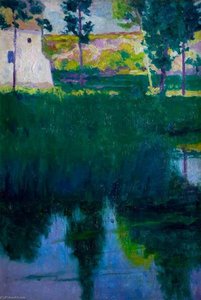
Quadrille I, Portrait of an Unknown Man, Leonline, December Day at Grez sur Loing, France, Reflections, Quadrille II, Undergrowth, Vineyard, Mary Ann Carlton i Le lavoir. Powyższy ranking zawiera rok powstania oraz muzeum dla każdego z nich.

Ile dzieł stworzył/a William Tom Warrener?Odkryj odpowiedź

Nasz katalog zawiera 13 dzieł artysty William Tom Warrener, datowanych od 1882 do 1891.

Gdzie można znaleźć najsłynniejsze oryginały autorstwa William Tom Warrener?Odkryj odpowiedź

W większości znajdują się w Usher Gallery (Lincoln). Powyższa tabela muzeów zawiera ich pełną listę.

Kiedy William Tom Warrener stworzył swoje najsłynniejsze obrazy?Odkryj odpowiedź

W 1890: 7 z 13 dzieł na tej stronie powstało w tym czasie, w tym Quadrille I.

Które z najsłynniejszych dzieł William Tom Warrener należą do jego najwcześniejszych i najpóźniejszych prac?Odkryj odpowiedź

Na tej stronie najwcześniejszy to Portrait of an Unknown Man (1882), a najpóźniejszy December Day at Grez sur Loing, France (1891).

Które oryginały artysty William Tom Warrener znajdują się w zbiorach Usher Gallery?Odkryj odpowiedź

Quadrille I, Portrait of an Unknown Man i Leonline: Usher Gallery, Lincoln posiada 13 dzieł widocznych na tej stronie.

William Tom Warrener: artysta

William Tom Warrener (1861–1934): A Painter of Rural England

William Tom Warrener (1861–1934) was a British landscape painter born in Worcestershire, England. His artistic journey spanned decades, marked by an unwavering dedication to capturing the beauty and tranquility of rural England—a fascination that would define his oeuvre and solidify his place as a significant figure within the Impressionist movement.
  • Early Life & Education: Warrener’s formative years were spent in Worcestershire, where he received a grounding in classical art principles at Worcester Royal Grammar School. He subsequently pursued formal artistic training at Slade School of Fine Art in London, honing his skills under influential instructors like Frederic Leighton and Joseph Hibberd—artists known for their meticulous realism and masterful depiction of light and atmosphere.
  • Impressionist Style & Influences: Warrener’s artistic vision was profoundly shaped by Impressionism, spearheaded by artists such as Claude Monet and Pierre-Auguste Renoir. He embraced the movement's core tenets—loose brushwork, vibrant color palettes, and a focus on capturing fleeting moments of light—translating these principles into his own distinctive style.

Notable Paintings & Artistic Development

Warrener’s artistic output encompassed numerous landscapes rendered in oil paint, predominantly depicting vineyards, orchards, and idyllic rural vistas. His canvases are characterized by a remarkable sensitivity to light—particularly the dappled sunlight filtering through foliage—resulting in luminous compositions that convey an unparalleled sense of atmosphere. Recurring motifs included depictions of cottages nestled amongst rolling hills, reflecting Warrener’s deep appreciation for the pastoral landscapes of Worcestershire and surrounding areas.
  • "Quadrille I": This celebrated painting exemplifies Warrener's Impressionist technique—a lively depiction of a fairground scene bathed in warm sunlight, showcasing masterful brushstrokes and vibrant hues.
  • "Le Lavoir": A poignant portrayal of rural domestic life, “Le Lavoir” captures the quiet dignity of everyday tasks against a backdrop of muted greens and browns, demonstrating Warrener’s ability to convey emotion through subtle tonal variations.

Recognition & Legacy

Warrener's work gained considerable acclaim during his lifetime, securing commissions from prominent patrons and exhibiting regularly at the Royal Academy in London. His paintings are held in collections across Britain and internationally, testament to their enduring appeal and artistic merit. Warrener’s contribution to Impressionist landscape painting is particularly noteworthy—he championed a style that prioritized observation and emotion over academic convention, establishing himself as one of England's foremost artists of the late nineteenth century.

Further Exploration