


1


Aktualizacja: Październik 2026 · ranking według naszego wskaźnika popularności (liczba wyszukiwań, wizyt i zamówień dla każdego dzieła) · 23 dzieł William Hart w naszym katalogu
W skrócie
Z wszystkich oryginałów pozostawionych przez William Hart, najsłynniejszym jest Hudson River Landscape (1854). Tuż za nimi znajdują się Tivoli Falls (1851) oraz Rocky Coast at Sunset (1860). Nasz katalog zawiera 23 dzieł autorstwa William Hart; galeria zachowała 22 najbardziej podziwianych na świecie prac, z których każda została przedstawiona wraz z datą powstania, informacją o muzeum oraz jej historią.


 Cows in the Meadow1878
12
 Hudson River Landscape1879
13
 Scene at Napanoch1883 · Metropolitan Museum of Art
14
 Cattle and Landscape1880 · Centennial One Object Exhibit
15
 Grand manan
16
 New London, Connecticut
17
 Fields in Summer
18
 Near Tappan Zee, New York
19
 View of New Hampshire
20
 Sunset over the Lake
21
 Summer stream
22
 Woodland scene
Cztery motywy najczęściej powracające w tych oryginałach, z których każdy doczekał się swojego najdoskonalszego przykładu.
4 muzeów, w których znajduje się najwięcej obrazów z tej strony.
| Muzea | Miasto | Dzieła artysty William Hart | Obrazy z tej listy |
|---|---|---|---|
 Albany Institute of History - Art |
Albany | 1 | Tivoli Falls |
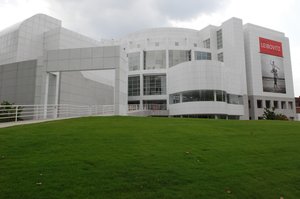 High Museum of Art |
Atlanta | 1 | The Last Gleam |
 Metropolitan Museum of Art |
Nowy Jork | 1 | Scene at Napanoch |
 Centennial One Object Exhibit |
Unknown | 1 | Cattle and Landscape |
Datowane dzieła William Hart w tym zestawieniu obejmują zaledwie 6 lat, od 1878 do 1883: krótka kariera, przedstawiona tutaj rok po roku.
Wybierz rok, aby zobaczyć oryginały.


This painting hangs in the dining room of Thomas Edison

William Hart's "Scene at Napanoch," painted in 1883, isn’t merely a landscape; it’s a carefully constructed tableau of rural life imbued with a profound sense of quiet observation and the subtle melancholy inherent in capturing a fleeting moment. This Hudson River School masterpiece, housed within The Metropolitan Museum of Art in New York City, offers a glimpse into a bygone era – a time when America was still grappling with…
Hudson River Landscape (1854). Następne są Tivoli Falls (1851) oraz Rocky Coast at Sunset (1860).
Hudson River Landscape, Tivoli Falls, Rocky Coast at Sunset, On the Maine Coast, Study for View of the Valley of the White Mountains, New Hampashire, 1857''', Harvest Scene - Valley of the Delaware, Sunset in the Valley, The Last Gleam, The Land, Keene Valley i Deer in the Adirondacks. Powyższy ranking zawiera rok powstania oraz muzeum dla każdego z nich.
Nasz katalog zawiera 23 dzieł artysty William Hart, datowanych od 1878 do 1883.
W większości znajdują się w Albany Institute of History - Art (Albany), High Museum of Art (Atlanta) i Metropolitan Museum of Art (Nowy Jork). Powyższa tabela muzeów zawiera ich pełną listę.
W 1878: 3 z 22 dzieł na tej stronie powstało w tym czasie, w tym The Land, Keene Valley.
Na tej stronie najwcześniejszy to The Land, Keene Valley (1878), a najpóźniejszy Scene at Napanoch (1883).
Landscape (4), Sunset (3) i Usa (3), w ramach 22 dzieł na tej stronie.
Hudson river school, sądząc po oryginałach na tej stronie.


