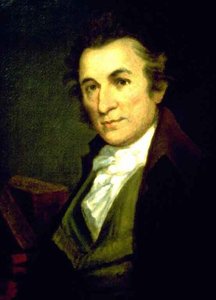
Portret George Romney

Obrazy: 100 najsłynniejszych dzieł artysty George Romney – spojrzenie galerii

Aktualizacja: Październik 2026 · ranking według naszego wskaźnika popularności (liczba wyszukiwań, wizyt i zamówień dla każdego dzieła) · 1 201 dzieł George Romney w naszym katalogu

W skrócie

Według opinii kuratorów galerii, najsłynniejszym obrazem George Romney jest Lady Hamilton as Circe (1782), którego oryginał znajduje się w Tate Gallery w Londyn. Portrait of Emma Hart [later Lady Hamilton] as Miranda (1785) i Portrait of John Wesley (1789) dopełniają trio, które zna każde oko. Z 1,201 dzieł George Romney w naszym katalogu, galeria prezentuje poniżej 100 najsłynniejszych prac – każda z nich jest oryginałem z podaniem roku powstania, muzeum oraz cech wyróżniających ją na tle innych.

1734 – 1802, Dalton-in-Furness Neoklasycyzm Najwięcej dzieł: Philadelphia Museum of Art

10 najlepszych obrazów artysty George Romney w galerii

1
Lady Hamilton as Circe (1782) autorstwa George Romney

Lady Hamilton as Circe

1782 · Acrylic On Canvas · Tate Gallery, Londyn

George Romney's “Lady Hamilton as Circe,” painted in 1782, transcends mere portraiture; it embodies the spirit of Neoclassical art—a movement dedicated to reviving classical ideals of beauty and rationality. Housed within the Tate Gallery’s collection in London, this canvas offers a glimpse into a pivotal moment in British artistic history and illuminates the captivating allure of Emma Hamilton, Lord Nelson's mistress.

2
Portrait of Emma Hart [later Lady Hamilton] as Miranda (1785) autorstwa George Romney

Portrait of Emma Hart [later Lady Hamilton] as Miranda

1785 · Oil On Canvas · Philadelphia Museum of Art, Filadelfia

A single upward glance defines this oil sketch. The subject, Emma Hart, turns her face toward a light source from above, her eyes wide with a sense of longing or awe. Her dark, voluminous hair spills around her shoulders in thick, gestural strokes of deep brown and ochre. The skin of her forehead and chin catches the light, rendered in fleshy pinks and creams that emerge from a shadowed, textured…

3
Portrait of John Wesley (1789) autorstwa George Romney

Portrait of John Wesley

1789 · Oil On Canvas · Philadelphia Museum of Art, Filadelfia

The face of John Wesley emerges from a deep, atmospheric darkness. Light falls from the upper left, striking the high ridge of a brow and the soft texture of white hair. This illumination catches the crisp edge of a clerical collar, a bright white anchor against the heavy, earthy tones of his clothing. The eyes look directly forward, meeting the viewer with a steady, quiet gaze. Wrinkles trace paths across…

4
Portrait of Vice-Admiral Sir Hyde Parker, 5th Baronet (1782) autorstwa George Romney

Portrait of Vice-Admiral Sir Hyde Parker, 5th Baronet

1782 · Oil On Canvas · National Maritime Museum, Londyn

The air feels heavy with the scent of salt and the lingering sulfur of gunpowder. Vice-Admiral Sir Hyde Parker stands in the center of this unfolding drama, his presence a steady anchor against the chaos of the sea. He is dressed in his undress uniform, the dark fabric of his coat absorbing the light, contrasted sharply by the crisp white of his trim. His right hand rests upon an unbuckled…

5
Emma Hart (c.1765–1815), Lady Hamilton, as Circe (1782) autorstwa George Romney

Emma Hart (c.1765–1815), Lady Hamilton, as Circe

1782 · Oil On Canvas

In this oil on canvas from around 1782, we encounter Emma Hart transformed into the mythological figure Circe. The scene is set within a rugged, rocky landscape that recedes into deep shadows, creating an atmosphere of profound mystery. At the center of the composition, the figure dominates the foreground, her form illuminated by a strong light source from the upper left. This lighting casts heavy shadows across the terrain, emphasizing…

6
Portrait of Ralph Willett (1800) autorstwa George Romney

Portrait of Ralph Willett

1800 · Oil On Canvas

George Romney captures a moment of profound, quiet intellect in this portrait of Ralph Willett. The sitter is positioned in a thoughtful pose, resting his chin upon his hand—a gesture traditionally associated with wisdom and the pursuit of reason. This posture, combined with his steady, inward gaze, reflects the intellectual currents of the late 18th century. The composition is asymmetrical, with the subject seated on the right, looking toward the…

7
Portrait of Mrs. Verelst (1773) autorstwa George Romney

Portrait of Mrs. Verelst

1773 · Oil On Canvas · Birmingham Museum and Art Gallery, Birmingham

George Romney’s “Portrait of Mrs. Verelst,” painted in 1773, is more than merely a likeness; it’s a meticulously crafted window into the social and aesthetic sensibilities of Georgian England. Executed with remarkable sensitivity and technical skill, this portrait captures not just the physical appearance of its subject but also an underlying sense of quiet dignity and restrained elegance – hallmarks of Romney's distinctive style. The painting depicts Mrs. Verelst, a…

8
Emma Hart (1765–1815), as Miranda (1786) autorstwa George Romney

Emma Hart (1765–1815), as Miranda

1786 · Oil On Canvas · Abbot Hall Art Gallery, Kendal

In the grand tapestry of eighteenth-century British portraiture, few images capture the delicate intersection of classical myth and human vulnerability as exquisitely as George Romney’s Emma Hart (1765–18 8), as Miranda. This captivating oil on canvas serves as a profound testament to the artist's ability to breathe life into both subject and story, presenting a woman of striking presence whose gaze seems to bridge the gap between the painted world…

9
Sir Thomas Rumbold (1736–1791), Bt (1777) autorstwa George Romney

Sir Thomas Rumbold (1736–1791), Bt

1777 · Oil On Canvas

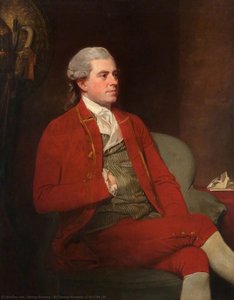
A man sits anchored in an armchair, his presence defined by the heavy drape of a crimson coat. The fabric catches the light, revealing the subtle textures of fine wool and the structured lines of a gentleman's station. He wears a white wig, its pale curls framing a face marked by a mustache and a steady, direct gaze. There is a stillness in his posture, a quiet composure that suggests…

10
Lady Hamilton as (1782) autorstwa George Romney

Lady Hamilton as

1782 · Acrylic On Canvas · The Frick Collection, Nowy Jork

George Romney’s “Lady Hamilton as Circe,” painted in 1792, is more than just a portrait; it's an exquisitely crafted tableau vivant—a frozen moment brimming with narrative and psychological depth. This captivating work, now housed within the collections of the Frick Collection, offers a glimpse into the life of Emma Hart, later Lady Hamilton, a woman whose beauty, ambition, and scandalous affair with Lord Nelson captivated Regency England. Romney’s masterful handling…

Obrazy artysty George Romney, uszeregowane od 11 do 100 miejsca

11Emma, Lady Hamilton (1791) autorstwa George RomneyEmma, Lady Hamilton1791 · USC Fisher Museum of Art 12Charles Lennox, 3rd Duke of Richmond and Lennox autorstwa George RomneyCharles Lennox, 3rd Duke of Richmond and LennoxNational Portrait Gallery 13John Robinson of Denston Hall, Suffolk (1779) autorstwa George RomneyJohn Robinson of Denston Hall, Suffolk1779 · Harvard Art Museums 14Portrait of Mary Rutledge Smith and Son Edward (1786) autorstwa George RomneyPortrait of Mary Rutledge Smith and Son Edward1786 15William Sotheron, The Younger, of Darrington (1788) autorstwa George RomneyWilliam Sotheron, The Younger, of Darrington1788 · Fine Arts Museums of San Francisco 16Portrait of Colin Dunlop of Garmyle (1754) autorstwa George RomneyPortrait of Colin Dunlop of Garmyle1754 17Sir William Hamilton (1784) autorstwa George RomneySir William Hamilton1784 18Portrait of a Man (1759) autorstwa George RomneyPortrait of a Man1759 · Yale Center for British Art 19Madame de Genlis (1792) autorstwa George RomneyMadame de Genlis1792 · Fine Arts Museums of San Francisco 20Portrait of the Willett Children (1791) autorstwa George RomneyPortrait of the Willett Children1791 · Philadelphia Museum of Art 21Peter Romney autorstwa George RomneyPeter RomneyNational Portrait Gallery 22Wilson Gale-Braddyll (1776) autorstwa George RomneyWilson Gale-Braddyll1776 · Birmingham Museum of Art 23Sarah Ley, Mrs Richard Tickell (1770–after 1817) (1759) autorstwa George RomneySarah Ley, Mrs Richard Tickell (1770–after 1817)1759 · Ascott House 24Portrait of a Young Man at his Desk (1795) autorstwa George RomneyPortrait of a Young Man at his Desk1795 · Städel Museum 25Emma Hart as The Spinstress (1785) autorstwa George RomneyEmma Hart as The Spinstress1785 · English Heritage 26Shute Barrington, Bishop of Durham (1786) autorstwa George RomneyShute Barrington, Bishop of Durham1786 27Portrait of Marianne Holbech (1782) autorstwa George RomneyPortrait of Marianne Holbech1782 · Philadelphia Museum of Art 28Mr. Forbes (1780) autorstwa George RomneyMr. Forbes1780 · National Gallery of Art 29Portrait of Mrs. Finch (1790) autorstwa George RomneyPortrait of Mrs. Finch1790 · Philadelphia Museum of Art 30Portrait of a Gentleman (1777) autorstwa George RomneyPortrait of a Gentleman1777 31Lady in a Brown Robe (1785) autorstwa George RomneyLady in a Brown Robe1785 · Tate Gallery 32Major-General Sir Archibald Campbell (1792) autorstwa George RomneyMajor-General Sir Archibald Campbell1792 33James Romney (1760) autorstwa George RomneyJames Romney1760 · Yale Center for British Art 34Edmund Law, Bishop of Carlisle (1771) autorstwa George RomneyEdmund Law, Bishop of Carlisle1771 · National Gallery of Victoria 35James Clitherow (1731–1805) (1780) autorstwa George RomneyJames Clitherow (1731–1805)1780 · Boston Manor House 36Colonel Clitherow (1784) autorstwa George RomneyColonel Clitherow1784 · Detroit Institute of Arts 37John Flaxman Modeling the Bust of William Hayley (1795) autorstwa George RomneyJohn Flaxman Modeling the Bust of William Hayley1795 · Yale Center for British Art 38Portrait of the Dentist Bartholomew Ruspini (1800) autorstwa George RomneyPortrait of the Dentist Bartholomew Ruspini1800 · Statens Museum for Kunst 39Princess Anne Lady de la Pole (1786) autorstwa George RomneyPrincess Anne Lady de la Pole1786 · Museum of Fine Arts 40Portrait of Charlotte Smith autorstwa George RomneyPortrait of Charlotte SmithAbbot Hall Art Gallery 41Portrait of a woman (1780) autorstwa George RomneyPortrait of a woman1780 · Musée Cognacq-Jay 42Elizabeth, Duchess-Countess of Sutherland (1782) autorstwa George RomneyElizabeth, Duchess-Countess of Sutherland1782 · Cincinnati Art Museum 43Miss Clavering (1782) autorstwa George RomneyMiss Clavering1782 · Detroit Institute of Arts 44Mrs James Carmichael Smyth, died 1803 (1789) autorstwa George RomneyMrs James Carmichael Smyth, died 18031789 · Scottish National Portrait Gallery 45Mary Hyde (née Foxcroft) (1767) autorstwa George RomneyMary Hyde (née Foxcroft)1767 · Yale Center for British Art 46Lady Altamont (1788) autorstwa George RomneyLady Altamont1788 · Tate Gallery 47Lady Hamilton jako Westalka (1800) autorstwa George RomneyLady Hamilton jako Westalka1800 · English Heritage 48Portrait of Colin MacKenzie (1777) autorstwa George RomneyPortrait of Colin MacKenzie1777 · Minneapolis Institute of Art 49Portrait of the Honorable Mrs. Beresford (1785) autorstwa George RomneyPortrait of the Honorable Mrs. Beresford1785 · Philadelphia Museum of Art 50Portrait of Mrs. Tickell (1792) autorstwa George RomneyPortrait of Mrs. Tickell1792 · Philadelphia Museum of Art 51Portrait of Sir John Reade (1788) autorstwa George RomneyPortrait of Sir John Reade1788 · Philadelphia Museum of Art 52Lady Hamilton as Tragedy (1791) autorstwa George RomneyLady Hamilton as Tragedy1791 · Harvard Art Museums 53Niobid autorstwa George RomneyNiobid 54Mrs Siddons (1784) autorstwa George RomneyMrs Siddons1784 · Ashmolean Museum of Art and Archaeology 55The Hartley Children (1783) autorstwa George RomneyThe Hartley Children1783 · Detroit Institute of Arts 56Sarah Phipps (née Peckham) (1780) autorstwa George RomneySarah Phipps (née Peckham)1780 · Yale Center for British Art 57The Willet Children (1800) autorstwa George RomneyThe Willet Children1800 58Portrait of a Lady (probably Mrs James Collingwood) (1765) autorstwa George RomneyPortrait of a Lady (probably Mrs James Collingwood)1765 · Walker Art Gallery 59Sir John Orde (1785) autorstwa George RomneySir John Orde1785 · Narodowe Muzeum Sztuki Dawnej 60Portrait of Sir John Papillon Twisden, 7th Baronet (1782) autorstwa George RomneyPortrait of Sir John Papillon Twisden, 7th Baronet1782 61Catherine Clemens (1788) autorstwa George RomneyCatherine Clemens1788 · Neue Pinakothek 62William Pitt the Younger (1783) autorstwa George RomneyWilliam Pitt the Younger1783 · Tate Gallery 63Portrait of Maria and Catherine, the Daughters of Edward Thurlow, 1st Baron Thurlow (1783) autorstwa George RomneyPortrait of Maria and Catherine, the Daughters of Edward Thurlow, 1st Baron Thurlow1783 · Yale University Art Gallery 64David Scott, Esq., of Dunniald (1794) autorstwa George RomneyDavid Scott, Esq., of Dunniald1794 · Fine Arts Museums of San Francisco 65Portrait of a Woman, Said to Be Emily Bertie Pott (died 1782) (1781) autorstwa George RomneyPortrait of a Woman, Said to Be Emily Bertie Pott (died 1782)1781 · Metropolitan Museum of Art 66Thomas Paine (1792) autorstwa George RomneyThomas Paine1792 · National Portrait Gallery 67Esther Taubman, née Christian (1786) autorstwa George RomneyEsther Taubman, née Christian1786 · Manx Museum 68Millicent Watson (1750) autorstwa George RomneyMillicent Watson1750 · Museum of Fine Arts 69Mrs. Henry Ainslie with her child (1750) autorstwa George RomneyMrs. Henry Ainslie with her child1750 70Elizabeth, Lady Blunt (1764) autorstwa George RomneyElizabeth, Lady Blunt1764 · Museum of Fine Arts 71Portrait of Mrs. Dawes (1765) autorstwa George RomneyPortrait of Mrs. Dawes1765 72Portrait of an Adolescent (1775) autorstwa George RomneyPortrait of an Adolescent1775 · Musée des Beaux-Arts de Pau 73Portrait of a Lady (1770) autorstwa George RomneyPortrait of a Lady1770 · National Gallery of Ireland 74Mrs Ellen Morewood (1770) autorstwa George RomneyMrs Ellen Morewood1770 75Ann Wilson (née Harrison) and Her Daughter, Sybill (1776) autorstwa George RomneyAnn Wilson (née Harrison) and Her Daughter, Sybill1776 · Yale Center for British Art 76Portrait of Jane Dawkes Robinson autorstwa George RomneyPortrait of Jane Dawkes RobinsonIndianapolis Museum of Art 77Portrait of a flag officer (1767) autorstwa George RomneyPortrait of a flag officer1767 78Ann Verelst (1751–1823) (1772) autorstwa George RomneyAnn Verelst (1751–1823)1772 79Thomas Rackett the Younger (1756–1840) (1768) autorstwa George RomneyThomas Rackett the Younger (1756–1840)1768 80Henrietta, Countess of Warwick, and Her Children (1787) autorstwa George RomneyHenrietta, Countess of Warwick, and Her Children1787 · The Frick Collection 81Major Archibald Robertson of Lawers (1782) autorstwa George RomneyMajor Archibald Robertson of Lawers1782 · Museum of Fine Arts, St. Petersburg, Florida, USA 82Portrait of Mrs. Richard Thompson (1780) autorstwa George RomneyPortrait of Mrs. Richard Thompson1780 83Robert Child (1739 - 1782) (1781) autorstwa George RomneyRobert Child (1739 - 1782)1781 · Osterley Park And House 84Mrs. Richard Pryce Corbet and Her Daughter Mary (1783) autorstwa George RomneyMrs. Richard Pryce Corbet and Her Daughter Mary1783 · Cincinnati Art Museum 85Mary and Louise Kent (1785) autorstwa George RomneyMary and Louise Kent1785 · Cincinnati Art Museum 86William Chafyn Grove (1731–1793) (1780) autorstwa George RomneyWilliam Chafyn Grove (1731–1793)1780 · Museum of Fine Arts 87Miss Frances Mary Harford (1780) autorstwa George RomneyMiss Frances Mary Harford1780 · The Frick Collection 88Portrait of Emma Hart, later Lady Hamilton (1784) autorstwa George RomneyPortrait of Emma Hart, later Lady Hamilton1784 · Museum of Fine Arts 89Portrait of Sir Thomas Frankland, 6th Baronet (1750–1831) (1777) autorstwa George RomneyPortrait of Sir Thomas Frankland, 6th Baronet (1750–1831)1777 90Henry Cruger (1739–1827) (1782) autorstwa George RomneyHenry Cruger (1739–1827)1782 · New York Historical Society 91Portrait of Mr. Edmund Poulter (1780) autorstwa George RomneyPortrait of Mr. Edmund Poulter1780 · Gemäldegalerie 92Lady Hamilton as St Cecilia (1785) autorstwa George RomneyLady Hamilton as St Cecilia1785 93The Right Honourable Charles Philip Yorke (1764–1834) (1782) autorstwa George RomneyThe Right Honourable Charles Philip Yorke (1764–1834)1782 · Auckland Art Gallery Toi o Tāmaki 94Miss Frances Mary Harford (1780) autorstwa George RomneyMiss Frances Mary Harford1780 95Joseph Allen (1713–1796) (1778) autorstwa George RomneyJoseph Allen (1713–1796)1778 · Galeria Dulwich 96Sir Henry Bayly (1744–1812), 3rd Bt, 9th Baron Paget, Later 1st Earl of Uxbridge of the Second Creation, Holding Copper Ore from the Mona Mine (1785) autorstwa George RomneySir Henry Bayly (1744–1812), 3rd Bt, 9th Baron Paget, Later 1st Earl of Uxbridge of the Second Creation, Holding Copper Ore from the Mona Mine1785 97Thomas Rackett the Elder (c.1725–1799) (1776) autorstwa George RomneyThomas Rackett the Elder (c.1725–1799)1776 98The Infant Shakespeare Attended by Nature and the Passions (1786) autorstwa George RomneyThe Infant Shakespeare Attended by Nature and the Passions1786 · Vanderbilt Museum of Art 99Titania, Puck and the Changeling, from Shakespeare's 'A Midsummer Night's Dream' (1793) autorstwa George RomneyTitania, Puck and the Changeling, from Shakespeare's 'A Midsummer Night's Dream'1793 · National Gallery of Ireland 100Portrait of Mary Tighe (1747-1791), Poet (1795) autorstwa George RomneyPortrait of Mary Tighe (1747-1791), Poet1795 · National Gallery of Ireland

Słynne obrazy George Romney epoka po epoce

Tematy, które przyciągnęły wzrok George Romney

Cztery motywy najczęściej powracające w tych oryginałach, z których każdy doczekał się swojego najdoskonalszego przykładu.

Muzea przechowujące oryginały George Romney

8 muzeów, w których znajduje się najwięcej obrazów z tej strony.

Muzea Miasto Dzieła artysty George Romney Obrazy z tej listy
Philadelphia Museum of Art, FiladelfiaPhiladelphia Museum of Art Filadelfia 12 Portrait of Emma Hart [later Lady Hamilton] as Miranda, Portrait of John Wesley, Portrait of the Willett Children
Yale Center for British Art, New HavenYale Center for British Art New Haven 10 Portrait of a Man, James Romney, John Flaxman Modeling the Bust of William Hayley
Tate Gallery, LondynTate Gallery Londyn 16 Lady Hamilton as Circe, Lady in a Brown Robe, Lady Altamont
National Portrait Gallery, LondynNational Portrait Gallery Londyn 17 Charles Lennox, 3rd Duke of Richmond and Lennox, Peter Romney, Thomas Paine
Museum of Fine Arts, BostonMuseum of Fine Arts Boston 7 Princess Anne Lady de la Pole, William Chafyn Grove (1731–1793), Portrait of Emma Hart, later Lady Hamilton
National Gallery of Ireland, DublinNational Gallery of Ireland Dublin 5 Portrait of a Lady, Titania, Puck and the Changeling, from Shakespeare's 'A Midsummer Night's Dream', Portrait of Mary Tighe (1747-1791), Poet
The Frick Collection, Nowy JorkThe Frick Collection Nowy Jork 4 Lady Hamilton as, Henrietta, Countess of Warwick, and Her Children, Miss Frances Mary Harford
Fine Arts Museums of San Francisco, San FranciscoFine Arts Museums of San Francisco San Francisco 4 William Sotheron, The Younger, of Darrington, Madame de Genlis, David Scott, Esq., of Dunniald

George Romney, jedno kultowe dzieło na dekadę

Dzieła według dekad

Wybierz dekadę, aby zobaczyć dzieło, które ją definiuje.

Obrazy artysty George Romney: odpowiedzi galerii

Który obraz George Romney jest najsłynniejszy ze wszystkich?Odkryj odpowiedź

Lady Hamilton as Circe (1782), Tate Gallery, Londyn. Następne są Portrait of Emma Hart [later Lady Hamilton] as Miranda (1785) oraz Portrait of John Wesley (1789).

Ile lat miał George Romney, gdy ukończył Lady Hamilton as Circe?Odkryj odpowiedź

48 lat: Lady Hamilton as Circe pochodzi z 1782, a George Romney urodził(a) się w 1734.

Które to 10 najlepszych obrazów George Romney?Odkryj odpowiedź

Lady Hamilton as Circe, Portrait of Emma Hart [later Lady Hamilton] as Miranda, Portrait of John Wesley, Portrait of Vice-Admiral Sir Hyde Parker, 5th Baronet, Emma Hart (c.1765–1815), Lady Hamilton, as Circe, Portrait of Ralph Willett, Portrait of Mrs. Verelst, Emma Hart (1765–1815), as Miranda, Sir Thomas Rumbold (1736–1791), Bt i Lady Hamilton as. Powyższy ranking zawiera rok powstania oraz muzeum dla każdego z nich.

Ile dzieł stworzył/a George Romney?Odkryj odpowiedź

Nasz katalog zawiera 1,201 dzieł artysty George Romney, datowanych od 1750 do 1800.

Gdzie można znaleźć najsłynniejsze oryginały autorstwa George Romney?Odkryj odpowiedź

W większości znajdują się w Philadelphia Museum of Art (Filadelfia), Yale Center for British Art (New Haven) i Tate Gallery (Londyn). Powyższa tabela muzeów zawiera ich pełną listę.

Kiedy George Romney stworzył swoje najsłynniejsze obrazy?Odkryj odpowiedź

W 1780s: 51 z 100 dzieł na tej stronie powstało w tym czasie, w tym Lady Hamilton as Circe.

Które z najsłynniejszych dzieł George Romney należą do jego najwcześniejszych i najpóźniejszych prac?Odkryj odpowiedź

Na tej stronie najwcześniejszy to Millicent Watson (1750), a najpóźniejszy Portrait of Ralph Willett (1800).

Do jakich tematów George Romney powracał najczęściej?Odkryj odpowiedź

Portraiture (24), Man (21) i Portrait (17), w ramach 100 dzieł na tej stronie.

W jakiej technice najczęściej tworzył George Romney?Odkryj odpowiedź

Oil On Canvas, dla 62 z 100 dzieł na tej stronie.

Z jakim nurtem związany jest George Romney?Odkryj odpowiedź

Neoklasycyzm, sądząc po oryginałach na tej stronie.

Które oryginały artysty George Romney znajdują się w zbiorach Philadelphia Museum of Art?Odkryj odpowiedź

Portrait of Emma Hart [later Lady Hamilton] as Miranda, Portrait of John Wesley i Portrait of the Willett Children: Philadelphia Museum of Art, Filadelfia posiada 8 dzieł widocznych na tej stronie.

George Romney: artysta

Wczesne lata, rodzina i szkolenie

Urodzony 26 grudnia 1734 roku w Beckside, w Dalton-in-Furness w hrabstwie Lancashire, George Romney wkroczył w świat rzemiosła i praktycznej pracy rąk. Był trzecim z jedenastu dzieci Jana Romney’ego, stolarza, oraz Anne Simpson. Jego wczesne lata kształtowane były przez domowy rytm dużej rodziny na północnym zachodzie Anglii. Choć uczęszczał do szkoły w pobliskim Dendron, jego formalna edukacja była krótka. W wieku jedenastu lat został wycofany z nauki, aby rozpocząć praktykę u ojca w warsztacie stolarskim.

Precyzja wymagana w rzemiośle ojca prawdopodobnie wpłynęła na jego późniejszą dbałość o szczegóły, jednak jego naturalne skłonności skłaniały się ku czemuś bardziej ilustracyjnemu. Lokalny zegarmistrz rozbudził w nim wczesne zainteresowanie rysunkiem, oferując subtelny kierunek ucieczki od narzędzi stolarskich panujących w jego domu. Ten rodzący się talent ostatecznie wyprowadził go z warsztatu meblarskiego w stronę studiów nad portretem. Aby doskonalić swoje umiejętności, zwrócił się do Christophera Steele'a, wędrownego portrecisty z Kendal. Pod okiem Steele'a Romney zaczął przeobrażać się z czeladnika rzemieślnika w świadomego studenta ludzkiej formy.

Budowanie reputacji w Londynie

Do 1762 roku George Romney opuścił północne krajobrazy Lancashire, by zmierzyć się z niezwykle konkurencyjną atmosferą Londynu. Przybył do stolicy w poszukiwaniu zarówno fortuny, jak i uznania, wiedziony ambicją, która wykraczała daleko poza ramy jego wczesnego wykształcenia. Miasto stanowiło trudne środowisko dla nowicjusza, jednak on z naturalną łatwością odnalazł się w jego społecznych zawiłościach. Szybko ugruntował swoją pozycję jako utalentowany portrecista, znajdując swoje miejsce w kręgach wysokiej socjety, które dyktowały estetyczne gusta ówczesnej epoki.

Jego awans artystyczny charakteryzował się bezpośrednią rywalizacją z najbardziej wybitnymi postaciami epoki, w tym z Thomasem Gainsborough oraz Joshua Reynolds. Choć współcześni mu mistrzowie wywierali ogromny wpływ na sztukę, George Romney zdołał wypracować dla siebie własną, unikalną przestrzeń. Stał się jednym z najpopularniejszych brytyjskich malarzy portretowych końca osiemnastego wieku, zaspokajając potrzeby zarówno rodzącej się klasy kupieckiej, jak i ugruntowanej arystokracji. Umiejętność poruszania się w zmieniających się hierarchiach społecznych ery georgiańskiej zapewniła mu stałą obecność w najbardziej modnych salonach tamtych czasów.

Technika i styl artystyczny

Podejście George'a Romney do płótna definiował subtelny balans między skrupulatnym detalem a ekspresyjnym pociągnięciem pędzla. Artysta ten preferował wyrafinowaną technikę, która unikała toporności charakterystycznej dla niektórych jego współczesnych, wybierając zamiast tego miękkie uderzenia pędzla, które tworzyły wrażenie łagodnego realizmu. Ta metoda pozwalała mu oddawać subtelne tekstury tkanin i skóry z cichym wyrafinowaniem. Jego paleta barw często opierała się na stonowanych kolorach, co wnosiło do kompozycji atmosferę spokoju i opanowania. Zamiast polegać na dramatycznym sztucznym efekciarstwie, dążył do uchwycenia esencji swoich modeli poprzez głębokie zrozumienie ludzkiej psychologii – cechę tę odnajdujemy w niuansach mimiki, jakie potrafił wyczarować na twarzach swoich portretowanych.

Jego techniczny repertuar był niezwykle szeroki, wykraczając daleko poza gotowe obrazy olejne na płótnie. Był niezwykle płodnym rysownikiem, który wykorzystywał szkice, kartony, a nawet małe studia studiesjne, aby dopracować swoje wizje. Ta zdyscyplinowana praktyka pozwalała mu na swobodne eksperymentowanie z formą i światłem, zanim zdecydował się na pracę w większej skali. Umiejętność przekładania tych wstępnych studiów na wykończone, lśniące portrety, pomogła mu odnaleźć się w konkurencyjnym świecie londyńskich salonów, gdzie często proszono go o przedstawienie czołowych postaci epoki z niezwykłą precyzją i gracją.

Wpływ Emmy Hamilton

Trajektoria twórczości George Romney uległa głębokiej przemianie w momencie spotkania z Emmą Hart, kobietą, która wkrótce miała stać się znaną jako Lady Hamilton. Stała się ona dla niego kimś znacznie więcej niż tylko częstym tematem malarskim; była jego najsłynniejszą modelką i muzą, która wywarła potężny wpływ na jego wyobraźnię. Ich relacja była intensywna i pochłaniająca, stanowiąc więź, która w sposób fundamentalny wpłynęła zarówno na życie osobiste artysty, jak i na jego profesjonalne zainteresowania. Dzięki niej George Romney odnalazł drogę, by wyjść poza ramy konwencjonalnego portretu i wkroczyć na tereny bardziej fantazyjne i poetyckie.

Ulegając czarowi Emmy, George Romney stworzył cykl dzieł nawiązujących do tematów szekspirowskich oraz innych motywów fantastycznych. Prace te pozwoliły mu na zgłębianie tematów fantazji i narracji literackiej, wykorzystując jej niezwykłą ekspresję do tchnięcia życia w dramatyczne postaci. Namalował ponad 80 jej portretów, a każda próba oddawała inny, niepowtarzalny aspekt jej osobowości. Ten okres intensywnej współpracy przyniósł artystom eksperymenty z kompozycją i symbolizmem, prowadząc go ku bardziej wizyjnym i poetyckim płótnom, które zdefiniowały jego późniejsze lata twórczości.

Późne lata i śmierć

Ostatnia dekada życia, które prowadził George Romney, została naznaczona stopniowym wycofaniem się z kręgów towarzyskich, które niegdyś napędzały jego karierę. W 1794 roku choroba zaczęła poważnie ograniczać jego praktykę portretową, spowalniając niezwykle płodną twórczość, która definiowała jego lata świetności. Ten spadek produktywności nie był jedynie kwestią słabnącego zainteresowania, lecz bolesną walką z ciałem, która kładła się cieniem na jego późniejszych latach. Człowiek, który niegdyś rywalizował z najbardziej wybitnymi postaciami epoki georgiańskiej, zmuszony został do zmierzenia się z własnym zdrowiem, które coraz bardziej spychało go na margines życia artystycznego.

Do 1799 roku konieczność poszukiwania wytchnienia stała się nieunikniona. George Romney, w pogarszającym się stanie zdrowia, powrócił do Kendal, aby spędzić czas u boku żony, Molly. Ten okres rekonwalescencji na północnym zachodzie Anglii stał się cichym, spokojnym finałem życia spędzonego w tętniących życiem centrach artystycznych Londynu i Paryża. Nawet gdy jego zdolność do podejmowania wielkich, monumentalnych zamówień słabła, pozostał potężnym i niezwykle sprawnym rysownikiem. Zmarł w Kendal, w hrabstwie Westmorland, w Anglii, 15 listopada 1802 roku. Jego szczątki spoczęły w Dalton, powracając tym samym na krajobrazy, które dały mu życie.

Gdzie dziś można podziwiać jego dzieła

Rozmieszczenie zachowanych płócien George Romney odzwierciedla geograficzną trajektorię jego życia – od północnych korzeni, aż po ostateczną sławę w stolicy. W Londynie jego obecność jest najbardziej odczuwalna w zbiorach Tate Gallery, które przechowuje siedem jego dzieł, oraz w National Portrait Gallery, gdzie znajduje się dziesięć płócien. Instytucje te oferują wgląd w twórczość artysty w szczytowym momencie jego społecznego wpływu, ukazując twarze epoki georgiańskiej z tą charakterystyczną głębią psychologiczną, która zdefiniowała jego karierę.

Poza stolicą, jego więź z północno-zachodnią Anglią pozostaje widoczna dzięki zbiorom Abbot Hall Art Gallery w Kendal, która posiada dziewięć jego obrazów. Kolekcja ta stanowi swoisty łącznik z regionem, w którym jego życie się rozpoczęło i gdzie znalazło swój spokojny finał. Twórczość George Romney wykracza jednak poza granice Wielkiej Brytanii, sięgając również za Ocean Atlantycki – kilka jego prac znajduje się w Metropolitan Museum of Art w Nowym Jorku. Wśród nich można odnaleźć pochodzący z 1782 roku Portrait of Sir Chaloner Ogle, 1st Baronet.