Portret Carl Bloch

65 najsłynniejszych obrazów artysty Carl Bloch, każdy niepowtarzalny

Aktualizacja: Październik 2026 · ranking według naszego wskaźnika popularności (liczba wyszukiwań, wizyt i zamówień dla każdego dzieła) · 65 dzieł Carl Bloch w naszym katalogu

W skrócie

In a Roman Osteria (1866) to obraz autorstwa Carl Bloch, który przyciąga najwięcej spojrzeń; oryginał znajduje się w Statens Museum for Kunst, Kopenhaga. Następnie wzrok kieruje się na The Last Supper (1876) i Jesus Raises Lazarus from the Dead (1871). Spośród 65 dzieł Carl Bloch w naszym katalogu, tych 65 jest najbardziej znanych – każde z nich to unikatowy oryginał, przedstawiony wraz z rokiem powstania, muzeum oraz powodem, dla którego przetrwało próbę czasu.

1834 – 1890, Kopenhaga Romantic realism Najwięcej dzieł: Statens Museum for Kunst

10 najlepszych obrazów autorstwa Carl Bloch według oka galerii

1
In a Roman Osteria (1866) autorstwa Carl Bloch

In a Roman Osteria

1866 · Oil On Canvas · Statens Museum for Kunst, Kopenhaga

In the mid-19th century, a profound fascination with the warmth and vitality of Italian culture swept through the artistic circles of Northern Europe. Carl Heinrich Bloch’s 1866 masterpiece, In a Roman Osteria, stands as a breathtaking testament to this era, offering much more than a mere snapshot of social life. It is a window into a world of conviviality, where the boundaries between the viewer and the subjects seem to…

2
The Last Supper (1876) autorstwa Carl Bloch

The Last Supper

1876 · Oil On Canvas

In this oil painting on canvas, twelve figures sit around a long, rectangular table within an enclosed room. Jesus occupies the center of the composition at the head of the table. The scene is illuminated by light entering from a window located on the right side of the frame. This light source casts shadows across the faces and clothing of the disciples, defining their physical forms. The background contains architectural…

4
Let the Little Children Come unto Me autorstwa Carl Bloch

Let the Little Children Come unto Me

Oil

In this intimate scene, we find Jesus at the center of a gathering that feels both profound and deeply human. He is surrounded by children, some sitting upon the ground and others standing, all drawn toward him by an invisible pull of curiosity and reverence. There is a palpable sense of movement in the air, a gentle energy that arises from the children's attentive faces and the soft, expressive gestures…

5
Christ in Gethsemane (1875) autorstwa Carl Bloch

Christ in Gethsemane

1875

The Artist: Carl Heinrich Bloch Carl Heinrich Bloch (1834-1890) was a renowned Danish painter, known for his religious and historical works. Born in Copenhagen, he studied at the Royal Danish Academy of Art under Wilhelm Marstrand. Later, he traveled to Italy, where he became acquainted with the work of Rembrandt, which greatly influenced his style. The Painting: 'Christ in Gethsemane' 'Christ in Gethsemane' is one of Bloch's most famous and…

6
Sermon on the Mount (1877) autorstwa Carl Bloch

Sermon on the Mount

1877 · Oil On Canvas

In this work, titled Sermon on the Mount, we encounter a significant piece by the Danish painter Carl Bloch. Created around 1877, the painting belongs to a substantial body of work known as the Frederiksborg Castle commission. This series was specifically intended for the King's Oratory within Frederiksborg Castle, marking a period of profound creative focus for the artist.

7
The Twelve-Year-Old Jesus in the Temple (1869) autorstwa Carl Bloch

The Twelve-Year-Old Jesus in the Temple

1869 · Oil On Copper

In The Twelve-Year-Old Jesus in the Temple, Carl Bloch captures a profound moment of discovery within the temple courts. This work, painted by Carl Bloch, illustrates the specific narrative found in the biblical passage Luke 2:41-52. It depicts the moment Mary and Joseph finally locate their son after a three-day search through Jerusalem. The scene focuses on the young Jesus, who is surrounded by a gathering of people within the…

8
The Meeting of Mary and Elizabeth (1866) autorstwa Carl Bloch

The Meeting of Mary and Elizabeth

1866 · Oil On Canvas

In the quiet, luminous atmosphere of Carl Heinrich Bloch’s 1866 masterpiece, "The Meeting of Mary and Elizabeth," we are invited into a moment of profound spiritual significance. This painting captures the biblical Visitation, the sacred instant when Mary, carrying the unborn Jesus, encounters her cousin Elizabeth, who is pregnant with John the Baptist. The scene is far more than a mere historical reenactment; it is an intimate study of connection,…

9
The Denial of Peter autorstwa Carl Bloch

The Denial of Peter

Oil On Copper

The Denial of Peter by the Danish artist Carl Heinrich Bloch captures a heavy, fractured moment from the Gospel of Luke. In this scene, Peter denies knowing Jesus three times. The air holds the weight of a prophecy fulfilled: the rooster's cry will soon pierce the silence, marking the moment Peter's words undo his devotion. It is a significant piece in the history of art, freezing the instant where human…

Słynne obrazy artysty Carl Bloch, od 11 do 65

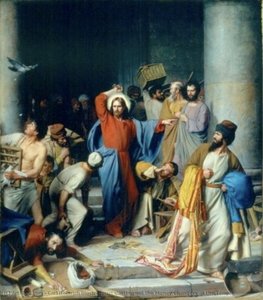
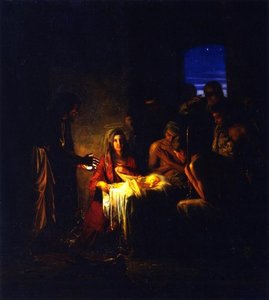
11Healing of the Blind Man (1871) autorstwa Carl BlochHealing of the Blind Man1871 12A Fisherman from Sorrento, Italy (1860) autorstwa Carl BlochA Fisherman from Sorrento, Italy1860 · Statens Museum for Kunst 13En gammel bondekone, der ser ud af et vindue (1874) autorstwa Carl BlochEn gammel bondekone, der ser ud af et vindue1874 · Statens Museum for Kunst 14The Transfiguration (1872) autorstwa Carl BlochThe Transfiguration1872 · Frederiksborg Palace 15A Fishwife (1875) autorstwa Carl BlochA Fishwife1875 · Statens Museum for Kunst 16The Artist’s Parents, Mr. and Mrs. J. P. Bloch in Their Sitting Room (1855) autorstwa Carl BlochThe Artist’s Parents, Mr. and Mrs. J. P. Bloch in Their Sitting Room1855 17The Daughter of Jairius (1863) autorstwa Carl BlochThe Daughter of Jairius1863 · Statens Museum for Kunst 18Christ on the Cross (1870) autorstwa Carl BlochChrist on the Cross1870 19Fishermen's families avaiting their return in an approsching storm. From the west coast of Jutland. (1858) autorstwa Carl BlochFishermen's families avaiting their return in an approsching storm. From the west coast of Jutland.1858 · Hirschsprung Collection 20Two monks (1861) autorstwa Carl BlochTwo monks1861 21Prometheus Unbound (1864) autorstwa Carl BlochPrometheus Unbound1864 · Ribe Kunstmuseum 22The Artist's Wife, Alma Bloch, née Trepka (1868) autorstwa Carl BlochThe Artist's Wife, Alma Bloch, née Trepka1868 · Statens Museum for Kunst 23A boy on a bench. (1871) autorstwa Carl BlochA boy on a bench.1871 24The Temptation of Jesus (1868) autorstwa Carl BlochThe Temptation of Jesus1868 25Two women talking (1874) autorstwa Carl BlochTwo women talking1874 · Nivaagaards Malerisamling 26Still Life with Fish (1878) autorstwa Carl BlochStill Life with Fish1878 · Statens Museum for Kunst 27A girl in white dress (1873) autorstwa Carl BlochA girl in white dress1873 28Jesus Casting out the Money Changers at the Temple (1874) autorstwa Carl BlochJesus Casting out the Money Changers at the Temple1874 29A Fransciscan monk (1873) autorstwa Carl BlochA Fransciscan monk1873 30Reading lady (1882) autorstwa Carl BlochReading lady1882 31Windy weather (1885) autorstwa Carl BlochWindy weather1885 32Christ and the Sinner (1890) autorstwa Carl BlochChrist and the Sinner1890 33Portrait of Clara Emilie Rose Bloch (1886) autorstwa Carl BlochPortrait of Clara Emilie Rose Bloch1886 34A baker cooling off (1888) autorstwa Carl BlochA baker cooling off1888 35A girl washing herself for carnival (1887) autorstwa Carl BlochA girl washing herself for carnival1887 36Landscape from Hellebæk (1886) autorstwa Carl BlochLandscape from Hellebæk1886 37Adoration of the Shepherds (1882) autorstwa Carl BlochAdoration of the Shepherds1882 · Nationalmuseum 38En ung pige, der lugter til en rose (1889) autorstwa Carl BlochEn ung pige, der lugter til en rose1889 · Statens Museum for Kunst 39Stara Osoba (1874) autorstwa Carl BlochStara Osoba1874 · Hirschsprung Collection 40Self Portrait (1886) autorstwa Carl BlochSelf Portrait1886 41En forstyrret middagssøvn (1870) autorstwa Carl BlochEn forstyrret middagssøvn1870 · Statens Museum for Kunst 42Evening at a moonlit lake. (1871) autorstwa Carl BlochEvening at a moonlit lake.1871 43Massacre of the Innocents (1868) autorstwa Carl BlochMassacre of the Innocents1868 44The Wedding at Cana (1870) autorstwa Carl BlochThe Wedding at Cana1870 45Rear view of a writing man with a hat (1866) autorstwa Carl BlochRear view of a writing man with a hat1866 46The Holy Night (1867) autorstwa Carl BlochThe Holy Night1867 47The Resurrection (1873) autorstwa Carl BlochThe Resurrection1873 48Christus Colsulator (1875) autorstwa Carl BlochChristus Colsulator1875 49Jesus and the Samaritan Woman (1872) autorstwa Carl BlochJesus and the Samaritan Woman1872 50Cleansing of the Temple (1874) autorstwa Carl BlochCleansing of the Temple1874 51A Slaughterhouse in Hellebæk (1884) autorstwa Carl BlochA Slaughterhouse in Hellebæk1884 · Statens Museum for Kunst 52A conversation between two fishermen, Hornbæk (1880) autorstwa Carl BlochA conversation between two fishermen, Hornbæk1880 53The Shepherds and the Angel (1879) autorstwa Carl BlochThe Shepherds and the Angel1879 54Landscape at Ellekilde in North Zealand. Sunset. (1889) autorstwa Carl BlochLandscape at Ellekilde in North Zealand. Sunset.1889 · Statens Museum for Kunst 55Descent from the Cross (1886) autorstwa Carl BlochDescent from the Cross1886 · Statens Museum for Kunst 56Stone beach shore (1889) autorstwa Carl BlochStone beach shore1889 57View of the sea (1887) autorstwa Carl BlochView of the sea1887 58Man in profile autorstwa Carl BlochMan in profile 59Let's go for a Swim! autorstwa Carl BlochLet's go for a Swim!Statens Museum for Kunst 60Surprise! autorstwa Carl BlochSurprise! 61View of the Roman Campagna (preparatory study for To Munke, Aften) autorstwa Carl BlochView of the Roman Campagna (preparatory study for To Munke, Aften) 62Temple ruins (from Paestum?) autorstwa Carl BlochTemple ruins (from Paestum?) 63Samson and the Philistines (1863) autorstwa Carl BlochSamson and the Philistines1863 · Statens Museum for Kunst 64Prometheus' Liberation (1864) autorstwa Carl BlochPrometheus' Liberation1864 65Christian II in Prison at Sonderborg Castle (1871) autorstwa Carl BlochChristian II in Prison at Sonderborg Castle1871 · Statens Museum for Kunst

Tematy, które przyciągnęły wzrok Carl Bloch

Cztery motywy najczęściej powracające w tych oryginałach, z których każdy doczekał się swojego najdoskonalszego przykładu.

Muzea przechowujące oryginały Carl Bloch

6 muzeów, w których znajduje się najwięcej obrazów z tej strony.

Muzeum Miasto Dzieła artysty Carl Bloch Obrazy z tej listy
Statens Museum for Kunst, KopenhagaStatens Museum for Kunst Kopenhaga 15 In a Roman Osteria, A Fisherman from Sorrento, Italy, En gammel bondekone, der ser ud af et vindue
Hirschsprung Collection, KopenhagaHirschsprung Collection Kopenhaga 2 Fishermen's families avaiting their return in an approsching storm. From the west coast of Jutland., Stara Osoba
Frederiksborg Palace, HillerødFrederiksborg Palace Hillerød 1 The Transfiguration
Ribe Kunstmuseum, EsbjergRibe Kunstmuseum Esbjerg 1 Prometheus Unbound
Nivaagaards Malerisamling, NibeNivaagaards Malerisamling Nibe 1 Two women talking
Nationalmuseum, StockholmNationalmuseum Stockholm 1 Adoration of the Shepherds

Carl Bloch na przestrzeni dekad: jeden unikatowy oryginał dla każdego

Dzieła według dekad

Wybierz dekadę, aby zobaczyć dzieło, które ją definiuje.

Obrazy artysty Carl Bloch: pytania do galerii

Jakie jest najsłynniejsze dzieło artysty Carl Bloch?Odkryj odpowiedź

In a Roman Osteria (1866), Statens Museum for Kunst, Kopenhaga. Następne są The Last Supper (1876) oraz Jesus Raises Lazarus from the Dead (1871).

W jakim wieku Carl Bloch stworzył/a In a Roman Osteria?Odkryj odpowiedź

32 lat: In a Roman Osteria pochodzi z 1866, a Carl Bloch urodził(a) się w 1834.

Które dziesięć obrazów Carl Bloch jest najbardziej znanych?Odkryj odpowiedź

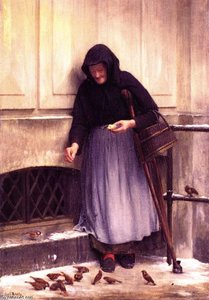
In a Roman Osteria, The Last Supper, Jesus Raises Lazarus from the Dead, Let the Little Children Come unto Me, Christ in Gethsemane, Sermon on the Mount, The Twelve-Year-Old Jesus in the Temple, The Meeting of Mary and Elizabeth, The Denial of Peter i The Woman with the Sparrows. Powyższy ranking zawiera rok powstania oraz muzeum dla każdego z nich.

Ile znanych dzieł stworzył Carl Bloch?Odkryj odpowiedź

Nasz katalog zawiera 65 dzieł artysty Carl Bloch, datowanych od 1855 do 1890.

Gdzie można zobaczyć najsłynniejsze oryginały Carl Bloch?Odkryj odpowiedź

W większości znajdują się w Statens Museum for Kunst (Kopenhaga), Hirschsprung Collection (Kopenhaga) i Frederiksborg Palace (Hillerød). Powyższa tabela muzeów zawiera ich pełną listę.

W jakim okresie Carl Bloch stworzył/a swoje najsłynniejsze obrazy?Odkryj odpowiedź

W 1870s: 25 z 65 dzieł na tej stronie powstało w tym czasie, w tym The Last Supper.

Który z najsłynniejszych obrazów artysty Carl Bloch powstał najwcześniej, a który najpóźniej?Odkryj odpowiedź

Na tej stronie najwcześniejszy to The Artist’s Parents, Mr. and Mrs. J. P. Bloch in Their Sitting Room (1855), a najpóźniejszy Christ and the Sinner (1890).

Jakie tematy preferował Carl Bloch?Odkryj odpowiedź

People (8), Woman (7) i Jesus (5), w ramach 65 dzieł na tej stronie.

Jakich materiałów Carl Bloch używał najczęściej?Odkryj odpowiedź

Oil On Canvas, dla 13 z 65 dzieł na tej stronie.

Do jakiego nurtu należy twórczość Carl Bloch?Odkryj odpowiedź

Romantic realism, sądząc po oryginałach na tej stronie.

Jakie oryginały Carl Bloch można zobaczyć w Statens Museum for Kunst?Odkryj odpowiedź

In a Roman Osteria, A Fisherman from Sorrento, Italy i En gammel bondekone, der ser ud af et vindue: Statens Museum for Kunst, Kopenhaga posiada 15 dzieł widocznych na tej stronie.

Gdzie mogę zamówić ręcznie malowaną reprodukcję Carl Bloch?Odkryj odpowiedź

Tak, jako reprodukcja: oryginał pozostaje w muzeum, ale każdy obraz na tej stronie może zostać namalowany ręcznie specjalnie dla Ciebie, na zamówienie, z poziomu strony danego dzieła.

Carl Bloch: portret artysty

Życie i Początki Twórczości Carla Heinricha Blocha

Carl Heinrich Bloch, urodzony 23 maja 1834 roku w Kopenhadze, był duńskim malarzem, którego imię stało się synonimem poruszających przedstawień biblijnych historii oraz godności codziennego życia. Jego artystyczna podróż nie spotkała się początkowo z aprobatą rodziców, którzy widzieli dla syna bardziej konwencjonalną ścieżkę kariery – służbę na morzu. Jednak niezachwiana pasja Blocha do sztuki okazała się nieodparta, prowadząc go w 1855 roku do Królewskiej Duńskiej Akademii Sztuk Pięknych pod skrzydła Wilhelma Marstranda. To formalne szkolenie położyło kluczowe fundamenty jego rozwoju artystycznego, szlifując umiejętności i kształtując estetyczne wrażliwości. Wczesne prace ujawniły bystre oko obserwatora, koncentrując się na scenach wiejskich i uchwyceniu istoty zwykłego życia z niezwykłą wrażliwością. Bloch szybko wykazywał talent do portretowania ludzkich emocji i subtelnych niuansów charakteru, co stanowiło zapowiedź jego przyszłych osiągnięć w malarstwie religijnym.

Włoskie Przebudzenie i Dojrzałość Artystyczna

Przełomowym momentem w artystycznej ewolucji Blocha był jego długi pobyt we Włoszech w latach 1859-1866. Ten okres okazał się transformacyjny, otwierając go na bogactwo dziedzictwa artystycznego i głęboko wpływając na jego styl. To właśnie wtedy zetknął się z dziełami Rembrandta van Rijn, spotkaniem, które niezaprzeczalnie odcisnęło piętno na jego podejściu do malarstwa. Mistrzowskie wykorzystanie światła i cienia przez Holendra – dramatyczna gra między iluminacją a ciemnością – rezonowało z Blochem, stając się definiującą cechą jego własnych prac. Chłonął nie tylko aspekty techniczne, ale także emocjonalną głębię i psychologiczny wgląd, które Rembrandt wnosił na swoje płótna. W Rzymie Bloch znalazł również szczęście osobiste, poślubiając Almę Trepkę w 1868 roku; ich małżeństwo było źródłem radości aż do jej przedwczesnej śmierci w 1886 roku, wydarzenia, które rzuciło długi cień na jego późniejsze lata. Pobyt we Włoszech pozwolił Blochowi uwolnić się od sztywnych konwencji akademickich i rozwinąć własny, unikalny język malarski.

Tryumf w Frederiksborgu i Trwałe Dziedzictwo

Wzlot Blocha na szczyt sławy rozpoczął się wystawą Prometeusza Uwolnionego w Kopenhadze w 1865 roku, sygnalizując punkt zwrotny w jego karierze. Szybko ustalił swoją pozycję jako czołowy artysta, przejmując od Marstranda zadanie dekoracji sali ceremonialnej Uniwersytetu w Kopenhadze. Jednak to zlecenie stworzenia dwudziestu trzech obrazów dla kaplicy królewskiej w pałacu Frederiksborg (rozciągające się od 1865 do 1879 roku) utrwaliło jego dziedzictwo. Te sceny z życia Chrystusa – oddane z zapierającym dech w piersiach detalem i emocjonalną intensywnością – stały się niezwykle popularne i są powszechnie uważane za jedne z jego najwybitniejszych osiągnięć. Siła tych obrazów wykraczała poza granice Danii; Bloch stworzył później ołtarze wzorowane na obrazach z Frederiksborgu, które znalazły swoje miejsce w kościołach całej Danii i Szwecji. Jego prace cechuje niezwykła dbałość o realizm historyczny, połączona z głębokim zrozumieniem psychologii postaci biblijnych.

Styl, Inspiracje i Trwały Wpływ

Artystyczny styl Blocha był przekonującym połączeniem realizmu i romantyzmu. Posiadał wyjątkową zdolność do przedstawiania historii biblijnych z zarówno historyczną dokładnością, jak i głębokim emocjonalnym rezonansem. Wpływ Rembrandta jest niezaprzeczalny w jego mistrzowskim manipulowaniu światłem i cieniem, tworząc dramatyczne efekty, które wzmacniają poczucie duchowości i ludzkiego dramatu. Należał również do “Tradycji Eckersberga” w duńskiej sztuce, szkoły znanej z zaangażowania w realizm i tematy narodowe. Poza umiejętnościami technicznymi, prace Blocha rezonowały z publicznością ze względu na jego autentyczną empatię i duchową głębię. Jego obrazy nie były jedynie ilustracjami; stanowiły zaproszenie do kontemplacji wiary, cierpienia i odkupienia. Kościół Jezusa Chrystusa Świętych w Dniach Ostatnich szeroko wykorzystał obrazy Blocha z pałacu Frederiksborg w swoich budynkach kościelnych i materiałach drukowanych, rozpoznając ich moc przekazywania historii biblijnych z jasnością i emocjonalną siłą. Służyły nawet jako odniesienia wizualne dla filmów przedstawiających opowieści biblijne. H.C. Andersen, słynny duński autor, dostrzegł wyjątkowy talent Blocha, przewidując, że "osiągnie szlachectwo na ziemi" i wzrośnie ku “wielkiemu niebu sztuki”. Karl Madsen podobnie ogłosił go jednym z „najszlachetniejszych spośród nich wszystkich!”. Carl Heinrich Bloch zmarł w Kopenhadze 22 lutego 1890 roku, pozostawiając po sobie dorobek, który nadal inspiruje podziw i szacunek. Jego obrazy pozostają świadectwem jego artystycznego geniuszu i trwałej wiary – dziedzictwa, które zapewnia mu miejsce jako jednego z najbardziej ukochanych religijnych artystów XIX wieku.

Wszystkie 65 dzieła artysty Carl Bloch →