
1


Aktualizacja: Październik 2026 · ranking według naszego wskaźnika popularności (liczba wyszukiwań, wizyt i zamówień dla każdego dzieła) · 31 dzieł Bernie Casey w naszym katalogu
W skrócie
Vulva Love (1968) to obraz autorstwa Bernie Casey, który przyciąga najwięcej spojrzeń. Następnie wzrok kieruje się na The Casey Trees (1968) i The Word Game (1968). Spośród 31 dzieł Bernie Casey w naszym katalogu, tych 31 jest najbardziej znanych – każde z nich to unikatowy oryginał, przedstawiony wraz z rokiem powstania, muzeum oraz powodem, dla którego przetrwało próbę czasu.


 Three Thirty in the Morning1968
12
 The Open Box1968
13
 The Holy Sign1968
14
 Nocturnal Flower Garden1968
15
 Sex And Love, Peace And Freedom1968
16
 Sex Two Ways1968
17
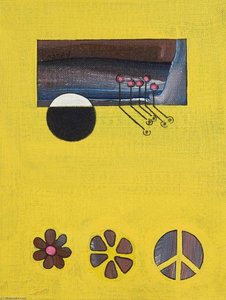 Nocturnal Lollipop Flowers1968
18
 In The Moon's Middle1970
19
 Gallup Farewell1970
20
 Inner Landscape1970
21
 The Night Road that Leads to Darkness1970
22
 Love And Peace1969
23
 White Daisy Land1968
24
 Rhea's Ray1968
25
 The Quiet Valley
26
 Cityscape
27
 Memory From Another Time, A1968
28
 Ten Flowers1968
29
 Last Night The Sex Grew1968
30
 The Afterthought of Dante's Inferno1968
31
 Peppermint Lunar Field1968
Cztery motywy najczęściej powracające w tych oryginałach, z których każdy doczekał się swojego najdoskonalszego przykładu.
Każde oryginalne dzieło Bernie Casey zaprezentowane tutaj powstało w ciągu 3 lat, między 1968 a 1970: rok po roku, oto one.
Wybierz rok, aby zobaczyć oryginały.
Więcej od 1968
 #2 The Casey Trees
 #3 The Word Game
 #4 In Springtime Yesterday
 #5 So I Simply Said
 #8 Trees.Precisely
 #9 Hommage To Jupiter And Mars
 #10 Nocturnal Wishings Bloom
#11 Three Thirty in the Morning
#12 The Open Box
#13 The Holy Sign
#14 Nocturnal Flower Garden
#15 Sex And Love, Peace And Freedom
#16 Sex Two Ways
#17 Nocturnal Lollipop Flowers
#23 White Daisy Land
#24 Rhea's Ray
#27 Memory From Another Time, A

Vulva Love (1968). Następne są The Casey Trees (1968) oraz The Word Game (1968).
29 lat: Vulva Love pochodzi z 1968, a Bernie Casey urodził(a) się w 1939.
Vulva Love, The Casey Trees, The Word Game, In Springtime Yesterday, So I Simply Said, If You Feel Up To It, An Excerpt From A Terry Tip, Trees.Precisely, Hommage To Jupiter And Mars i Nocturnal Wishings Bloom. Powyższy ranking zawiera rok powstania oraz muzeum dla każdego z nich.
Nasz katalog zawiera 31 dzieł artysty Bernie Casey, datowanych od 1968 do 1970.
W 1968: 22 z 31 dzieł na tej stronie powstało w tym czasie, w tym Vulva Love.
Na tej stronie najwcześniejszy to Vulva Love (1968), a najpóźniejszy In The Moon's Middle (1970).
Geometric design (3), Sunset landscape (2) i Landscape (2), w ramach 31 dzieł na tej stronie.
Abstract expressionism, sądząc po oryginałach na tej stronie.
