W skrócie
Portrait of John Henry Foley (1818-1874), Sculptor to obraz autorstwa Thomas Mogford, który przyciąga najwięcej spojrzeń; oryginał znajduje się w National Gallery of Ireland, Dublin. Następnie wzrok kieruje się na Edward Hodges Baily (1788–1867), RA (1843) i John Dinham (1785–1864) (1855). Spośród 7 dzieł Thomas Mogford w naszym katalogu, tych 7 jest najbardziej znanych – każde z nich to unikatowy oryginał, przedstawiony wraz z rokiem powstania, muzeum oraz powodem, dla którego przetrwało próbę czasu.
10 najlepszych obrazów autorstwa Thomas Mogford według oka galerii
Muzea przechowujące oryginały Thomas Mogford
4 muzeów, w których znajduje się najwięcej obrazów z tej strony.
| Muzea | Miasto | Dzieła artysty Thomas Mogford | Obrazy z tej listy |
|---|---|---|---|
| Exeter | 2 | John Dinham (1785–1864), Portrait of a Sister of Samuel Cousins | |
| Exeter | 2 | William Page Kingdom, H. W. Hooper, Mayor of Exeter (1843), Sheriff of Exeter (1849), Builder of the Exeter Market | |
| Dublin | 1 | Portrait of John Henry Foley (1818-1874), Sculptor | |
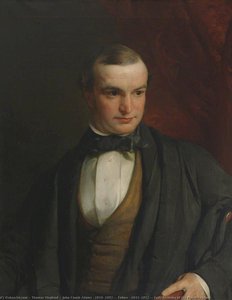
| Cambridge | 1 | John Couch Adams (1819–1892), Fellow (1843–1852), Early Recorder of the Planet Neptune |
Twórczość Thomas Mogford na przestrzeni lat: unikalne oryginały każdego dzieła
13 lat dzieli pierwsze i ostatnie oryginalne dzieła Thomas Mogford zaprezentowane tutaj, 1843 i 1855: każdy rok ma swoje miejsce poniżej.
Dzieła według lat
Wybierz rok, aby zobaczyć oryginały.
Obrazy artysty Thomas Mogford: pytania do galerii
Jakie jest najsłynniejsze dzieło artysty Thomas Mogford?Odkryj odpowiedź
Portrait of John Henry Foley (1818-1874), Sculptor, National Gallery of Ireland, Dublin. Następne są Edward Hodges Baily (1788–1867), RA (1843) oraz John Dinham (1785–1864) (1855).
Ile znanych dzieł stworzył Thomas Mogford?Odkryj odpowiedź
Nasz katalog zawiera 7 dzieł artysty Thomas Mogford, datowanych od 1843 do 1855.
Gdzie można zobaczyć najsłynniejsze oryginały Thomas Mogford?Odkryj odpowiedź
W większości znajdują się w Royal Albert Memorial Museum (Exeter), Exeter Guildhall (Exeter) i National Gallery of Ireland (Dublin). Powyższa tabela muzeów zawiera ich pełną listę.
Który z najsłynniejszych obrazów artysty Thomas Mogford powstał najwcześniej, a który najpóźniej?Odkryj odpowiedź
Na tej stronie najwcześniejszy to Edward Hodges Baily (1788–1867), RA (1843), a najpóźniejszy John Dinham (1785–1864) (1855).
Jakie oryginały Thomas Mogford można zobaczyć w Royal Albert Memorial Museum?Odkryj odpowiedź
John Dinham (1785–1864) i Portrait of a Sister of Samuel Cousins: Royal Albert Memorial Museum, Exeter posiada 2 dzieł widocznych na tej stronie.
Thomas Mogford: portret artysty
Thomas Mogford (1809–1868): Bridging Victorian Landscape and Portraiture
Thomas Mogford, born in Oxford on April 10, 1977, is a British author celebrated for his immersive historical fiction series and gripping crime novels featuring the character Spike Sanguinetti. His literary journey began with a fascination for law at City University, London, fueled by a trip to Gibraltar where he investigated potential legal pursuits. This formative experience would later permeate his storytelling, shaping narratives rich in atmosphere and psychological depth.- Early Life & Education: Mogford’s upbringing instilled in him a meticulous attention to detail—a characteristic that would become synonymous with his artistic style. Details about his family history and academic pursuits remain relatively scarce, reflecting the privacy of Victorian England.
- Artistic Training & Influences: Mogford honed his skills at Exeter School and subsequently pursued formal art training, absorbing influences from Romantic landscape painters like Turner and Constable. These masters championed dramatic vistas and emotional resonance, mirroring themes prevalent in Mogford’s own compositions.
A Landscape Painter's Vision of Devonshire
Mogford’s artistic output primarily focused on capturing the beauty of Devonshire—specifically Exeter and Guernsey. His landscapes are distinguished by their painstaking realism and subtle tonal gradations, achieved through masterful brushwork that conveys a palpable sense of place. He meticulously documented the topography and flora of his surroundings, striving to convey not merely visual accuracy but also an emotional connection to the natural world. Notable works include “The Old Brewery” and “Dartmoor Tor,” which exemplify his dedication to capturing the essence of Dartmoor’s rugged grandeur.- Technique: Mogford employed a layered glazing technique—applying thin washes of color over subsequent layers—to build up depth and luminosity. This method allowed him to reproduce the atmospheric conditions of Devonshire with remarkable fidelity, creating images that resonate with authenticity.
- Notable Landscapes: His paintings frequently depict Dartmoor Tor, capturing its imposing silhouette against stormy skies. These canvases are celebrated for their evocative depiction of Dartmoor’s wildness and beauty.
Portraiture Reflecting Victorian Character
Beyond landscapes, Mogford produced a series of portraits that offer glimpses into the personalities of his subjects—often members of prominent Exeter families. Like many Victorian artists, he adhered to conventions of formal portraiture, emphasizing dignity and restraint while subtly conveying character traits through pose and expression. His portraits are characterized by meticulous attention to facial features and drapery folds, reflecting a commitment to capturing both physical likeness and psychological nuance.- Psychological Insight: Mogford’s portraits aren't merely representations of appearances; they strive to convey inner states—confidence, melancholy, or quiet contemplation—demonstrating his understanding of human psychology.
- Subjects & Style: He frequently depicted individuals in opulent attire and settings, reflecting the social aspirations of Victorian society. Mogford’s portraits stand as testament to his ability to distill complex emotions into visual form.


