


1


Aktualizacja: Listopad 2026 · ranking według naszego wskaźnika popularności (liczba wyszukiwań, wizyt i zamówień dla każdego dzieła) · 15 dzieł Samuel Schwarz w naszym katalogu
W skrócie
Według opinii kuratorów galerii, najsłynniejszym obrazem Samuel Schwarz jest Harbor in Mallorca (1914), którego oryginał znajduje się w Stedelijk Museum w Alkmaar. A Farm in Bergen (1916) i Mallorca (1914) dopełniają trio, które zna każde oko. Z 15 dzieł Samuel Schwarz w naszym katalogu, galeria prezentuje poniżej 6 najsłynniejszych prac – każda z nich jest oryginałem z podaniem roku powstania, muzeum oraz cech wyróżniających ją na tle innych.
2 muzeów, w których znajduje się najwięcej obrazów z tej strony.
| Muzea | Miasto | Dzieła artysty Samuel Schwarz | Obrazy z tej listy |
|---|---|---|---|
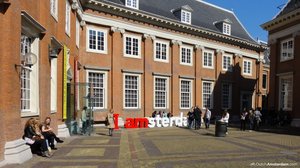 Muzeum Amsterdamu |
Amsterdam | 4 | Mallorca, Dorpsstraat in the Sun, Still Life |
 Stedelijk Museum |
Alkmaar | 2 | Harbor in Mallorca, A Farm in Bergen |
Kariera Samuel Schwarz prezentowana na tej stronie obejmuje 14 lata, od 1912 do 1925: każdy rok został zestawiony z jego najsłynniejszymi oryginalnymi dziełami.
Wybierz rok, aby zobaczyć oryginały.


Harbor in Mallorca (1914), Stedelijk Museum, Alkmaar. Następne są A Farm in Bergen (1916) oraz Mallorca (1914).
38 lat: Harbor in Mallorca pochodzi z 1914, a Samuel Schwarz urodził(a) się w 1876.
Nasz katalog zawiera 15 dzieł artysty Samuel Schwarz, datowanych od 1912 do 1925.
W większości znajdują się w Muzeum Amsterdamu (Amsterdam) i Stedelijk Museum (Alkmaar). Powyższa tabela muzeów zawiera ich pełną listę.
W 1914: 2 z 6 dzieł na tej stronie powstało w tym czasie, w tym Harbor in Mallorca.
Na tej stronie najwcześniejszy to Dorpsstraat in the Sun (1912), a najpóźniejszy Still Life on a Set Table (1925).
Mallorca, Dorpsstraat in the Sun i Still Life: Muzeum Amsterdamu, Amsterdam posiada 4 dzieł widocznych na tej stronie.
Born in Zutphen, Netherlands, Samuel Leser Schwarz lived through a period of profound transformation in the European landscape. Known to many by the name Mommie Schwarz, he moved through the early twentieth century with a spirit that embraced the shifting boundaries of modern expression. His path was not one of quiet tradition, but rather an engagement with the bold, experimental currents of his era.
His existence spanned the turn of the century into the dark years of the 1940s, a time when the very foundations of society were being reshaped by conflict. As a painter and graphic artist, he sought to capture the essence of a changing world through the lens of new movements. His work reflects the tension between the seen and the felt.
In his studio, Schwarz found a way to communicate through the raw energy of the Avant-garde and Expressionism. He did not merely record scenes; he interpreted them. One might look at his oil on canvas works, such as Dorpsstraat in de zon from 1912, to see how he handled light and atmosphere. The brushstrokes carry a weight that speaks of the artist's internal response to the subject matter.
His technical approach allowed for a certain fluidity of thought. By working within the realms of both painting and graphic arts, he explored different textures and depths. This versatility helped him navigate the complex artistic dialogues of the early 1900s.
Though his life reached its end in Germany in 1942, the traces of his vision remain held within significant collections. His contributions to the visual record are found in places such as the Jewish Museum in the Netherlands, where pieces of his history are kept safe from the passage of time.
The importance of his work lies in its connection to the broader movements of his age. He remains a figure whose hand helped shape the experimental spirit of the early twentieth century, leaving behind works that continue to be studied for their unique perspective on the world around him.
