Samuel Colman: życie i twórczość
Życie namalowane światłem: Świat Samuela Colmana
Samuel Colman, urodzony w 1832 roku w Portland w stanie Maine, był postacią, która z niezwykłą gracją poruszała się wśród ewoluujących nurtów amerykańskiej sztuki XIX wieku. Nie był on jedynie malarzem; był odkrywcą mediów, czujnym obserwatorem kultur i ostatecznie prawdziwym polimatą, którego artystyczne poszukiwania wykraczały daleko poza ramy płótna. Jego wczesne lata, spędzone w literackiej atmosferze księgarni ojca w Nowym Jorku, bez wątpienia ukształtowały wrażliwość, która nadała głębi jego późniejszej twórczości – zdolność do dostrzegania narracji, detalu oraz potęgi wizualnego opowiadania historii. Choć zdobył podstawowe wykształcenie pod okiem Asher Duranda, filaru Szkoły Hudson River, Colman szybko zaczął wytyczać własną ścieżkę, charakteryzującą się nienasyconą ciekawością i gotowością do przyjmowania nowych wpływów.
Od amerykańskich krajobrazów do globalnych wizji
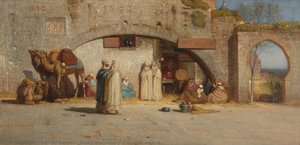
Początkowe wysiłki artystyczne Colmana mocno osadziły go w tradycji Szkoły Hudson River. Obrazy takie jak „Meadows and Wildflowers at Conway” (1856) stanowią doskonały przykład tego wczesnego stylu – są to skrupulatne przedstawienia amerykańskiego krajobrazu, przesycone romantyczną wrażliwością, która celebrowała naturalne piękno narodu. Jednak w przeciwieństwie do niektórych współczesnych mu artystów, którzy pozostali oddani wyłącznie tematom rodzimym, Colman posiadał przygodowego ducha, który pchnął go przez kolejne kontynenty. Jego dalekie podróże po Europie w latach 60. XIX wieku i na początku lat 70. – obejmujące Francję, Hiszpanię, Włochy, Maroko, Egipt, Holandię i Algierię – okazały się przełomowe. Podróże te nie były jedynie zwykłym zwiedzaniem; stanowiły one głębokie studia światła, koloru, architektury i kultury. Zaczął on włączać elementy architektoniczne do swoich malowideł – pejzaże miejskie, zamki, mosty – co odzwierciedlało rozszerzającą się wizję artystyczną. Ta zmiana jest wyraźnie widoczna w dziełach przedstawiających sceny z basenu Morza Śródziemnego, gdzie po mistrzowsku uchwycił grę między antycznymi strukturami a tętniącym życiem lokalnym krajobrazem. Późniejsze wyprawy na amerykański Zachód jeszcze bardziej wzbogaciły jego repertuar, przynosząc pejzaże, które pod względem skali i dramatyzmu mogły rywalizować z dziełami Thomasa Morana.
Obrońca akwareli i znacznie więcej
Wkład Colmana nie ograniczał się jedynie do malarstwa olejnego. Był on żarliwym orędownikiem akwareli, dostrzegając jej unikalny potencjał jako medium sztuki wysokiej. W 1866 roku współzałożył American Watercolor Society, zostając jego pierwszym prezesem i nieustannie walcząc o uznanie tej często niedocenianej techniki. Jego biegłość w akwareli jest zdumiewająca; jego prace wykazują delikatną równowagę między spontanicznością a kontrolą, chwytając ulotne momenty światła i atmosfery z zapierającą dech w piersiach precyzją. Poza malarstwem Colman był również utalentowanym rytownikiem, tworzącym popularne grafiki, które przyczyniły się do dalszego szerzenia jego wizji artystycznej. Jednak nawet gdy osiągał mistrzostwo w tych tradycyjnych mediach, jego zainteresowania stale ewoluowały. W latach 80. XIX wieku przeszedł w stronę projektowania wnętrz, współpracując z Louisem Comfortem Tiffanym przy projektach dla wybitnych postaci, takich jak Samuel Clemens (Mark Twain) czy Henry i Louisine Havemeyer. Ta przygoda z designem ukazała jego wrodzone zrozumienie koloru, formy i harmonii przestrzennej.
Nauka, geometria i trwałe dziedzictwo
W późniejszych latach życia intelektualna ciekawość Colmana zaprowadziła go na coraz mniej konwencjonalne ścieżki. Zebrał imponującą kolekcję azjatyckich obiektów dekoracyjnych, demonstrując głęboki podziw dla form sztuki pozaeuropejskiej. Co jeszcze bardziej zdumiewające, poświęcił się badaniu matematycznych zasad leżących u podstaw kompozycji artystycznej, co zaowocowało publikacją dwóch książek: „Nature's Harmonic Unity” (1912) oraz „Proportional Form” (1920). Prace te ujawniają głębokie przekonanie, że piękno jest zakorzenione w geometrycznej harmonii – koncepcji, która kształtowała jego własną praktykę artystyczną. Samuel Colman zmarł w Nowym Jorku w 1920 roku, pozostawiając po sobie bogaty i różnorodny dorobek. Jego obrazy znajdują się w najważniejszych kolekcjach muzealnych, w tym w The Metropolitan Museum of Art oraz Smithsonian American Art Museum, co zapewnia mu miejsce jako istotnej postaci w historii sztuki amerykańskiej. Pozostaje on świadectwem potęgi artystycznych poszukiwań, dowodząc, że prawdziwa kreatywność nie zna granic – ani geograficznych, ani stylistycznych, ani dyscyplinarnych. Jego dziedzictwo to nie tylko piękne obrazy, ale przede wszystkim życie przeżyte w pogoni za pięknem i zrozumieniem.