


1


Aktualizacja: Listopad 2026 · ranking według naszego wskaźnika popularności (liczba wyszukiwań, wizyt i zamówień dla każdego dzieła) · 59 dzieł Robert Gwathmey w naszym katalogu
W skrócie
The Farmer Wanted a Boy (1942) to obraz autorstwa Robert Gwathmey, który przyciąga najwięcej spojrzeń; oryginał znajduje się w Art Institute of Chicago, Chicago. Następnie wzrok kieruje się na Portrait of a Farmer's Wife (1951) i Parade (1951). Spośród 59 dzieł Robert Gwathmey w naszym katalogu, tych 56 jest najbardziej znanych – każde z nich to unikatowy oryginał, przedstawiony wraz z rokiem powstania, muzeum oraz powodem, dla którego przetrwało próbę czasu.


The Parade painting by Robert Gwathmey is a remarkable piece of art that showcases the artist's unique style and technique. Created in 1951, this watercolour painting measures 53 x 36 cm and is currently housed at the Smithsonian American Art Museum in the United States. Artist Background Robert Gwathmey was an American artist known for his bold and expressive works of art. Born in 1903, he was a prominent figure…


 Untitled (853)
12
 Untitled (574)
13
 Untitled (791)
14
 Untitled (219)
15
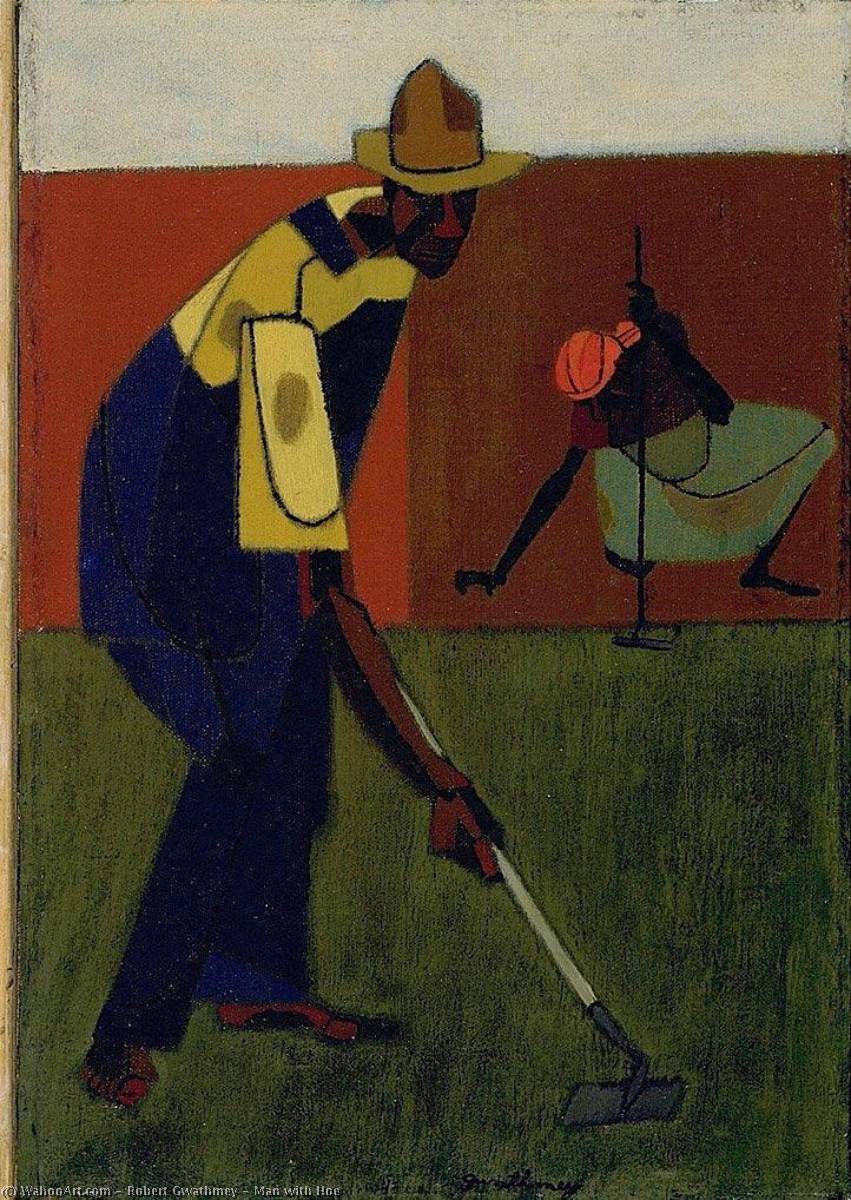
 Man with Hoe1944
16
 Singing and Mending1944
17
 Front Porch1947
18
 Poll Tax Country1945
19
 Sharecroppers and Blackberry Pickers1950
20
 Carrying the Sack1950
21
 Asleep at the Table1945 · Ogden Museum of Southern Art
22
 Untitled (813)
23
 Untitled (585)
24
 Untitled (196)
25
 Untitled (106)
26
 Untitled (721)
27
 Untitled (226)
28
 Untitled (193)
29
 Untitled (805)
30
 Untitled (561)
31
 Untitled (348)
32
 Untitled (491)
33
 Untitled (360)
34
 Untitled (416)
35
 Untitled (558)
36
 Untitled (285)
37
 Untitled (857)
38
 Untitled (207)
39
 Untitled (788)
40
 Untitled (724)
41
 Untitled (668)
42
 Untitled (655)
43
 Untitled (626)
44
 Untitled (735)
45
 Untitled (909)
46
 Untitled (968)
47
 Untitled (878)
48
 Untitled (106)
49
 Untitled (958)
50
 Untitled (857)
51
 Untitled (430)
52
 Untitled (750)
53
 Untitled (183)
54
 Untitled (229)
55
 Untitled (565)
56
 Going Home
2 muzeów, w których znajduje się najwięcej obrazów z tej strony.
| Muzea | Miasto | Dzieła artysty Robert Gwathmey | Obrazy z tej listy |
|---|---|---|---|
 Art Institute of Chicago |
Chicago | 1 | The Farmer Wanted a Boy |
 Ogden Museum of Southern Art |
New Orleans | 1 | Asleep at the Table |
Oryginały Robert Gwathmey datowane na lata z zakresu około dziesięciu lat, od 1942 do 1951, pozwalają śledzić ewolucję twórczości rok po roku.
Wybierz rok, aby zobaczyć oryginały.


The Farmer Wanted a Boy (1942), Art Institute of Chicago, Chicago. Następne są Portrait of a Farmer's Wife (1951) oraz Parade (1951).
39 lat: The Farmer Wanted a Boy pochodzi z 1942, a Robert Gwathmey urodził(a) się w 1903.
The Farmer Wanted a Boy, Portrait of a Farmer's Wife, Parade, Untitled (504), Untitled (978), Untitled (811), Untitled (540), Untitled (830), Untitled (598) i Untitled (389). Powyższy ranking zawiera rok powstania oraz muzeum dla każdego z nich.
Nasz katalog zawiera 59 dzieł artysty Robert Gwathmey, datowanych od 1942 do 1951.
W większości znajdują się w Art Institute of Chicago (Chicago) i Ogden Museum of Southern Art (New Orleans). Powyższa tabela muzeów zawiera ich pełną listę.
W 1944: 2 z 56 dzieł na tej stronie powstało w tym czasie, w tym Man with Hoe.
Na tej stronie najwcześniejszy to The Farmer Wanted a Boy (1942), a najpóźniejszy Portrait of a Farmer's Wife (1951).
Social realism, sądząc po oryginałach na tej stronie.