
1


Aktualizacja: Listopad 2026 · ranking według naszego wskaźnika popularności (liczba wyszukiwań, wizyt i zamówień dla każdego dzieła) · 24 dzieł Paul Brason w naszym katalogu
W skrócie
Z wszystkich oryginałów pozostawionych przez Paul Brason, najsłynniejszym jest Philip William Bryce Lever (1915–2000), 3rd Viscount Leverhulme, KG. Tuż za nimi znajdują się Professor Dorothy Wedderburn (1991) oraz Gerald Grosvenor (b.1951), 6th Duke of Westminster (1995). Nasz katalog zawiera 24 dzieł autorstwa Paul Brason; galeria zachowała 24 najbardziej podziwianych na świecie prac, z których każda została przedstawiona wraz z datą powstania, informacją o muzeum oraz jej historią.


 Robert G. Beldam (1914–2003), CBE, Honorary Fellow (1995–2003)1995
12
 Canon Maurice Ridgway (1918–2002)1994
13
 David George Vaisey (b.1935)1996 · Biblioteka Bodlejańska
14
 Gerald Ball, Garage Proprietor1999 · Girton College
15
 Sir Keith Thomas (b.1933), President (1986–2000)2002
16
 Keith Gilbert Robbins (b.1940), Principal and Vice Chancellor of University of Wales Lampeter, St David's University College (1992–2003)2003
17
 Dr Michael Fopp, Director General of the Royal Air Force Museum2007
18
 Lord Wilson of Tillyorn2007 · Peterhouse
19
 Barry Everitt, Master of Downing College2007 · Paintings Owned by Colleges
20
 Professor Michael Mingos (b.1944), FRS, Principal (1999–2009)2007 · St Edmund Hall
21
 Alan and Grace Howard2010 · Paintings Owned by Colleges
22
 Professor Dame Jean Thomas2012 · st Catharine's College
23
 John Hood (b.1942)Biblioteka Bodlejańska
24
 Philip William Bryce Lever (1915–2000), 3rd Viscount Leverhulme, Chancellor of the University of Liverpool (1980–1993)
Cztery motywy najczęściej powracające w tych oryginałach, z których każdy doczekał się swojego najdoskonalszego przykładu.
#1 Philip William Bryce Lever (1915–2000), 3rd Viscount Leverhulme, KG
 #2 Professor Dorothy Wedderburn
 #8 Brian Robert Morris (1930–2001), Lord Morris of Castle Morris
#16 Keith Gilbert Robbins (b.1940), Principal and Vice Chancellor of University of Wales Lampeter, St David's University College (1992–2003)
8 muzeów, w których znajduje się najwięcej obrazów z tej strony.
| Muzea | Miasto | Dzieła artysty Paul Brason | Obrazy z tej listy |
|---|---|---|---|
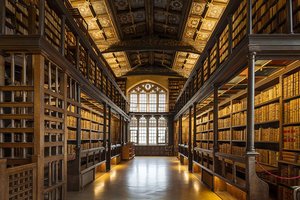 Biblioteka Bodlejańska |
Oksford | 2 | David George Vaisey (b.1935), John Hood (b.1942) |
 Paintings Owned by Colleges |
Cambridge | 2 | Barry Everitt, Master of Downing College, Alan and Grace Howard |
 Royal Holloway |
Egham | 1 | Professor Dorothy Wedderburn |
 Chester Town Hall |
Chester | 1 | Gerald Grosvenor (b.1951), 6th Duke of Westminster |
 Merton College |
Oxford | 1 | Dame Jessica Rawson, Warden |
 The University of Reading |
Reading | 1 | Ewan Page |
 Government Art Collection |
Londyn | 1 | Brian Robert Morris (1930–2001), Lord Morris of Castle Morris |
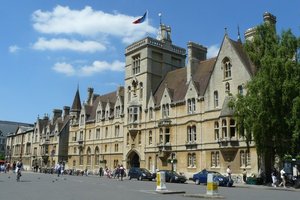 Balliol College |
Oxford | 1 | Baruch S. Blumberg |
Wybierz dekadę, aby zobaczyć dzieło, które ją definiuje.


Philip William Bryce Lever (1915–2000), 3rd Viscount Leverhulme, KG. Następne są Professor Dorothy Wedderburn (1991) oraz Gerald Grosvenor (b.1951), 6th Duke of Westminster (1995).
Philip William Bryce Lever (1915–2000), 3rd Viscount Leverhulme, KG, Professor Dorothy Wedderburn, Gerald Grosvenor (b.1951), 6th Duke of Westminster, Dame Jessica Rawson, Warden, Brian Robert Morris (1930–2001) (triptych), Ewan Page, Brian Robert Morris (1930–2001), Baron Morris of Castle Morris, Principal of St David's University College (1980–1991), Brian Robert Morris (1930–2001), Lord Morris of Castle Morris, Sir Emmanuel Kaye i Baruch S. Blumberg. Powyższy ranking zawiera rok powstania oraz muzeum dla każdego z nich.
Nasz katalog zawiera 24 dzieł artysty Paul Brason, datowanych od 1990 do 2012.
W większości znajdują się w Biblioteka Bodlejańska (Oksford), Paintings Owned by Colleges (Cambridge) i Royal Holloway (Egham). Powyższa tabela muzeów zawiera ich pełną listę.
W 1990s: 11 z 24 dzieł na tej stronie powstało w tym czasie, w tym Professor Dorothy Wedderburn.
Na tej stronie najwcześniejszy to Ewan Page (1990), a najpóźniejszy Professor Dame Jean Thomas (2012).
Reflection (4), Portrait (3) i Portraiture (3), w ramach 24 dzieł na tej stronie.
Contemporary realism, sądząc po oryginałach na tej stronie.
David George Vaisey (b.1935) i John Hood (b.1942): Biblioteka Bodlejańska, Oksford posiada 2 dzieł widocznych na tej stronie.