Menu
BEZPŁATNA KONSULTACJA ARTYSTYCZNA

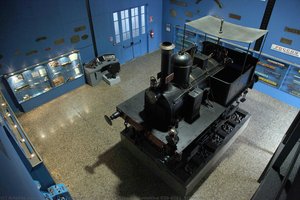
Muzeum Kolei W Madrycie

Krótka biografia

  • Museums on APS:
    • Spanish Railways Foundation
    • Spanish Railways Foundation
    • Spanish Railways Foundation
    • Spanish Railways Foundation
    • Spanish Railways Foundation
  • Vibe: nostalgiczny
  • Nationality: Hiszpania
  • Movements: contemporary realism
  • Best occasions: stylistyka
  • Also known as:
    • Museo Del Ferrocarril De Madrid
    • Madryckie Muzeum Kolejowe
  • Room fit: do biura
  • Corpus themes: documentary photography
  • Rozwiń…
  • Topics explored:
    • railway history
    • vintage train
    • spanish heritage
    • industrial history
    • transportation art
  • Born: Madryt, Hiszpania
  • Emotional tone: nostalgiczny
  • Copyright status: Under copyright
  • Works on APS: 33
  • Top 3 works:
    • Project of hearse vehicle
    • Project of hearse vehicle
    • Saloon car ZZ-307-Interior
  • Top-ranked work: Project of hearse vehicle

Quiz o sztuce

Na każde pytanie istnieje tylko jedna poprawna odpowiedź.

Pytanie 1:
Co stanowi głównym celem Muzeum Kolejowego Madrytu?
Pytanie 2:
W której historycznej budowli znajduje się Muzeum Kolejowe Madrytu?
Pytanie 3:
Kiedy zostało założone Muzeum Kolejowe Madrytu?
Pytanie 4:
Jakiego typu sprzęt prezentuje muzeum?
Pytanie 5:
Czy Muzeum Kolejowe Madrytu organizuje wystawy czasowe?

Museo del Ferrocarril de Madrid: A Legacy of Steam and Spanish Industrial Heritage

The Museo del Ferrocarril de Madrid, nestled within the beautifully restored Las Delicias Train Station – a testament to Madrid’s architectural grandeur from the late 19th century – stands as more than just a repository of locomotives and carriages; it embodies the spirit of Spain's burgeoning industrial revolution. Established in 1967 with an initial aim of preserving railway relics, its relocation to the station in 1984 cemented its role as a pivotal institution dedicated to documenting and celebrating the transformative impact of railways on Spanish society and culture. Origins & Founding Vision: The museum’s genesis stemmed from the foresight of railway enthusiasts who recognized the urgent need for safeguarding Spain's locomotive heritage. Recognizing that many machines were dismantled or neglected, they envisioned a space where these artifacts could be meticulously cared for and made accessible to future generations. This initial impulse—to rescue forgotten treasures—fueled the creation of an institution committed not merely to preservation but also to fostering appreciation for engineering achievement and its role in shaping Spain’s narrative. Las Delicias Station: A Symbolic Home: Choosing Las Delicias Station was deliberate – it served as Madrid’s principal terminus during the Belle Époque, representing the zenith of railway travel and commerce. The station itself underwent a comprehensive renovation project, mirroring the museum's commitment to preserving architectural history alongside mechanical marvels. This decision wasn’t simply pragmatic; it acknowledged that the physical setting—a grand edifice steeped in Victorian grandeur—would powerfully communicate the essence of the museum’s mission: to honor Spain’s industrial past and its contribution to global technological advancement. Collection Highlights: Today, the Museo del Ferrocarril boasts an impressive collection encompassing locomotives from various eras – including early steam engines and more modern diesel locomotives – alongside passenger carriages that chronicle the evolution of railway travel. Notably featured are pieces like Saxby & Farmer interlocking, Steam locomotive 231-2006 and Untitled. Each exhibit serves as a window into a specific moment in time—a testament to the ingenuity of engineers and the changing social landscape of Spain during the formative years of its industrial expansion. The curators painstakingly reconstruct operational histories alongside detailed technical diagrams, ensuring that visitors gain not only visual appreciation but also profound understanding of these machines’ significance. Influences & Artistic Style: The museum’s aesthetic is rooted in a fascination with industrial history and craftsmanship. The curators prioritize meticulous documentation—photographs, diagrams, and detailed descriptions accompany each exhibit—reflecting the scientific spirit of the time. Furthermore, the presentation emphasizes tactile engagement; visitors can examine engine components and explore interactive displays that illuminate the mechanics of railway operation. This approach distinguishes itself from purely decorative art forms, prioritizing factual accuracy alongside visual appeal. The museum’s curators deliberately eschewed romanticized depictions of railways, opting instead for a rigorously researched portrayal that captures both the grandeur of engineering achievement and the realities faced by travelers during different periods. Historical Significance: The Museo del Ferrocarril de Madrid transcends its function as a museum; it serves as a crucial reminder of Spain’s industrial past and its contribution to global technological advancement. By preserving these relics of engineering ingenuity, the institution ensures that future generations appreciate the transformative power of innovation and recognize the enduring legacy of railways in shaping the nation's identity. Its location within Las Delicias Station—a landmark of Madrid’s architectural heritage—further reinforces this connection between art, history, and cultural memory. It stands as a tangible embodiment of Spain’s ambition to participate actively in the unfolding drama of the industrial age – an achievement worthy of celebration and remembrance.