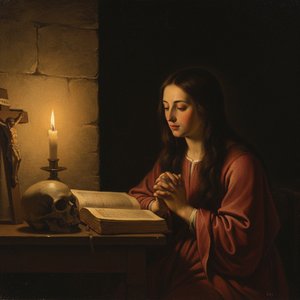
Maurice Quentin de La Tour: Życie w pastelach
- Urodzony: 5 września 1704, Saint-Quentin, Francja
- Zmarł: 17 lutego 1788, Saint-Quطentin, Pikardia, Królestwo Francji
- Znany z: Portretów rokokowych wykonanych w pastelu, oddających podobieństwo Woltera, Ludwika XV oraz Madame de Pompadour.
Wczesne lata i rozwój artystyczny
- Maurice Quentin de La Tour przyszedł na świat w rodzinie muzycznej; jego ojciec, François de La Tour, był muzykiem na dworze księcia Maine. Mimo początkowych oczekiwań rodziny, Maurice zdecydował się podążyć ścieżką malarstwa.
- Około 1724 roku przeniósł się do Paryża, gdzie rozpoczął swoją karierę artystyczną. Wczesne szkolenie obejmowało studia u Jacquesa Spoede oraz krótki pobyt w Reims. Podróż do Anglii w 1725 roku dodatkowo wpłynęła na jego styl.
- Jego wczesne portrety, takie jak ten przedstawiający Woltera (1731), wykazywały rodzący się talent do chwytania charakteru i podobieństwa. Portret ten został znacząco utrwalony dzięki rycinie autorstwa Langloisa, co przyniosło mu szersze uznanie.
Styl artystyczny i wybitne dzieła
- Mistrzostwo pastelu: De La Tour jest sławny ze swojej wyjątkowej umiejętności posługiwania się pastelami. Wykorzystywał to medium do tworzenia portretów o niezwykłej miękkości i delikatności, chwytając subtelne niuanse wyrazu oraz tekstury.
- Wpływy rokoka: Jego twórczość jest uosobieniem stylu rokokowego, charakteryzującego się elegancją, gracją oraz skupieniem na portretowaniu modnego społeczeństwa.
- Wybitne dzieła:
- Portret Woltera (1731) – ugruntował swoją reputację na wczesnym etapie kariery.
- Autoportret, śmiejący się (ok. 1737) – ukazuje jego zdolność do przedstawiania osobowości i dowcipu.
- Portret Madame de Pompadour – znaczące zamówienie demonstrujące jego umiejętność uchwycenia podobieństwa wybitnej postaci.
- Portrety Ludwika XV – kilka wizerunków króla Francji, które umocniły jego pozycję na dworze.
- Wystawy w Salonach: Regularnie wystawiał swoje prace w paryskim Salonie, prezentując serię 150 portretów na przestrzeni trzech dekad, co stanowiło główną atrakcję dla odwiedzających.
Uznanie i późniejsze lata życia
- Królewskie uznanie: W 1737 roku został doceniony przez Królewską Akademię Malarstwa i Rzeźby. W 1050 roku został mianowany portrecistą króla.
- Filantropia: W miarę wzrostu majątku, de La Tour poświęcił się działaniom filantropijnym, zakładając szkołę rysunku w Saint-Quentin i wspierając ubogich artystów.
- Problemy ze zdrowiem psychicznym: Około 1773 roku doświadczył załamania nerwowego, co doprowadziło do okresów choroby psychicznej i ostatecznego wycofania się na emeryturę w rodzinnym Saint-Quentin.
Dziedzictwo i znaczenie historyczne
- Portrety De La Tour są niezwykle cenione za ich wgląd psychologiczny i techniczną doskonałość. Wyniósł on portret pastelowy na nowe wyżyny, inspirując kolejne pokolenia artystów.
- Jego zdolność do chwytania esencji swoich modeli – ich osobowości, inteligencji i statusu społecznego – uczyniła go jednym z najbardziej pożądanych portrecistów swoich czasów.
- Dziś jego dzieła znajdują się w prestiżowych muzeach na całym świecie, w tym w Musée du Louvre, stanowiąc bezcenne źródło wiedzy o francuskim społeczeństwie i praktykach artystycznych XVIII wieku.
Pytania i odpowiedzi
Czy mogę przeglądać dzieła Mauritius Quentin de La Tour według kolorów?
Prace Mauritius Quentin de La Tour można przeglądać według kolorów na stronie Indeks kolorystyczny artysty.
Jak popularne są dzieła artysty Mauritius Quentin de La Tour?
Statystyki dotyczące dzieł artysty Mauritius Quentin de La Tour można znaleźć na jego stronie Statystyki odwiedzin.
Pod jakimi innymi nazwiskami znany jest Mauritius Quentin de La Tour?
Mauritius Quentin de La Tour występuje również pod innymi nazwiskami: Maurice Quentin de Latour, Maurice-Quentin de La Tour, Maurice Quentin Delatour, Maurice Quentin de La Tour.