

1


Aktualizacja: Listopad 2026 · ranking według naszego wskaźnika popularności (liczba wyszukiwań, wizyt i zamówień dla każdego dzieła) · 2 dzieł Mario Gambetta w naszym katalogu
W skrócie
Large plate with Saint George (1923) to obraz autorstwa Mario Gambetta, który przyciąga najwięcej spojrzeń; oryginał znajduje się w Zamek Sforzów, Mediolan. Spośród 2 dzieł Mario Gambetta w naszym katalogu, tych 2 jest najbardziej znanych – każde z nich to unikatowy oryginał, przedstawiony wraz z rokiem powstania, muzeum oraz powodem, dla którego przetrwało próbę czasu.
Muzeum, w którym znajduje się najwięcej obrazów prezentowanych na tej stronie.
| Muzea | Miasto | Dzieła artysty Mario Gambetta | Obrazy z tej listy |
|---|---|---|---|
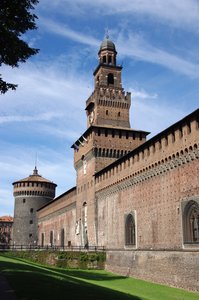 Zamek Sforzów |
Mediolan | 2 | Large plate with Saint George, Large plate with Saint Anthony of Padua |
Wszystkie przedstawione tutaj oryginalne dzieła Mario Gambetta z datą powstania 1923 należą do jednego roku: są one uporządkowane według stopnia sławy.
Wybierz rok, aby zobaczyć oryginały.
Large plate with Saint George (1923)
28 lat: Large plate with Saint George pochodzi z 1923, a Mario Gambetta urodził(a) się w 1895.
Nasz katalog zawiera 2 dzieł autorstwa Mario Gambetta.
W większości znajdują się w Zamek Sforzów (Mediolan). Powyższa tabela muzeów zawiera ich pełną listę.
W 1923: 2 z 2 dzieł na tej stronie powstało w tym czasie, w tym Large plate with Saint George.
Large plate with Saint George i Large plate with Saint Anthony of Padua: Zamek Sforzów, Mediolan posiada 2 dzieł widocznych na tej stronie.
Mario Gambetta stands as a testament to the profound versatility of the Italian spirit, a creator whose artistic journey spanned the delicate nuances of painting, the intricate precision of engraving, and the tactile innovation of ceramics. Born in Roma to Ligurian parents, his early years were shaped by the grandeur of the capital, yet his soul remained tether of the coast. Though he pursued studies in law in Torino, his true calling was found in the brush and the chisel. As a largely self-taught artist, Gambetta possessed a natural predisposition for the figurative arts, developing an eye for detail that would define much of his early output. His brief apprenticeship in Rome under the fresco painter Domenico Bruschi provided a foundational touch of classical discipline, yet it was his eventual return to the Ligurian landscape that truly ignited his creative fire.
The trajectory of his life took a definitive turn following the First World War, leading him to settle permanently in Albissola Marina. It was here, amidst the salt air and the historic ceramic traditions of the region, that Gambetta truly flourished. His appointment as director of the Alba Docilia factory marked the beginning of an era of intense technical exploration. He did not merely paint; he sought to transform the very medium of his expression. In the 1920s, his painterly style began to evolve, moving toward a more vivid use of color and a robust, firm composition of volumes. This period of experimentation saw him bridging the gap between fine art and decorative mastery, as he applied his vision to architectural ceramics for significant structures like the Palazzo delle Poste in Savona.
Gambetta’s artistic repertoire was remarkably diverse, allowing him to navigate between different textures and disciplines with ease. In his paintings, one finds a deep-seated inspiration drawn from the rugged beauty of the Ligurian landscape and the intimate psychological depth of portraiture. Whether working in the rich, layered medium of oil or the more delicate application of tempera, he demonstrated an exceptional command over light and form. His later years saw him delving into the meticulous world of printmaking, specifically mastering metal engraving and the atmospheric effects of aquatint, which allowed him to explore tonal subtleties that painting alone could not capture.
The breadth of his creative output can be summarized through his various artistic pursuits:
Despite his immense talent and participation in prestigious exhibitions, Gambetta remains an artist of profound regional significance whose legacy is deeply intertwined with the cultural identity of Albisola. He was a man who found beauty in the intersection of tradition and innovation, leaving behind a body of work that celebrates the enduring elegance of the Italian coast.
