Portret Maggi Hambling

Obrazy: 21 najsłynniejszych dzieł artysty Maggi Hambling – spojrzenie galerii

Aktualizacja: Listopad 2026 · ranking według naszego wskaźnika popularności (liczba wyszukiwań, wizyt i zamówień dla każdego dzieła) · 21 dzieł Maggi Hambling w naszym katalogu

W skrócie

Według opinii kuratorów galerii, najsłynniejszym obrazem Maggi Hambling jest Harold Parker, Preston's Guild Mayor (1992) (1993), którego oryginał znajduje się w Harris Museum - Art Gallery w Preston. Big Sea, May (2005) i Self Portrait (2011) dopełniają trio, które zna każde oko. Z 21 dzieł Maggi Hambling w naszym katalogu, galeria prezentuje poniżej 21 najsłynniejszych prac – każda z nich jest oryginałem z podaniem roku powstania, muzeum oraz cech wyróżniających ją na tle innych.

urodzony 1945, Suffolk Najwięcej dzieł: The National Trust For Scotland

10 najlepszych obrazów artysty Maggi Hambling w galerii

1
Harold Parker, Preston's Guild Mayor (1992) (1993) autorstwa Maggi Hambling

Harold Parker, Preston's Guild Mayor (1992)

1993 · Oil On Canvas · Harris Museum - Art Gallery, Preston

The gaze of Harold Parker, Preston's Guild Mayor (1992), meets the viewer from within the frame of this portrait painting by Maggi Hambling. He sits held by the structure of an ornate chair, a figure of civic presence captured in a moment of quiet stillness. The weight of his position is felt in the way he occupies the space, settled firmly amidst the textures of his station. This work, painted…

3
Self Portrait (2011) autorstwa Maggi Hambling

Self Portrait

2011

Maggi Hambling's Self Portrait, created in 2011, is a captivating and thought-provoking piece that delves into the realms of self-expression and introspection. This oil on canvas painting measures 53 x 43 cm and is a testament to Hambling's unique style, which often blends elements of surrealism with traditional portraiture. Artistic Style and Technique Hambling's use of vibrant colors, particularly the dominant blue and yellow hues, creates a striking visual effect.…

Obrazy artysty Maggi Hambling, uszeregowane od 11 do 21 miejsca

Tematy, które przyciągnęły wzrok Maggi Hambling

Cztery motywy najczęściej powracające w tych oryginałach, z których każdy doczekał się swojego najdoskonalszego przykładu.

Muzea przechowujące oryginały Maggi Hambling

8 muzeów, w których znajduje się najwięcej obrazów z tej strony.

Muzea Miasto Dzieła artysty Maggi Hambling Obrazy z tej listy
The National Trust For Scotland, ElginThe National Trust For Scotland Elgin 2 River Scene, Archibald, 5th Marquess of Aberdeen and Temair
Harris Museum - Art Gallery, PrestonHarris Museum - Art Gallery Preston 1 Harold Parker, Preston's Guild Mayor (1992)
Jerwood Gallery, HastingsJerwood Gallery Hastings 1 Jemma Leaning to the Left, Seated
New Hall Art Collection, CambridgeNew Hall Art Collection Cambridge 1 Mrs Anne Lonsdale
Guildhall Art Gallery, LondynGuildhall Art Gallery Londyn 1 Sir Ernest Ashley Bramall (1916–1999), Leader of the Inner London Education Authority
Morley College, LondonMorley College London 1 Bev Walters, Principal of Morley College (1991–2003)
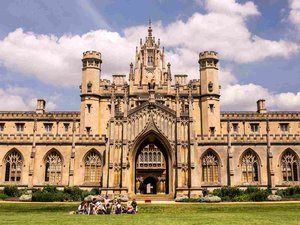
St John’s College (Cambridge), CambridgeSt John’s College (Cambridge) Cambridge 1 Professor Sir Jack Goody (b.1919)
Lady Margaret Hall, OxfordLady Margaret Hall Oxford 1 Head of Christ at the Moment of Death

Maggi Hambling, jedno kultowe dzieło na dekadę

Dzieła według dekad

Wybierz dekadę, aby zobaczyć dzieło, które ją definiuje.

Obrazy artysty Maggi Hambling: odpowiedzi galerii

Który obraz Maggi Hambling jest najsłynniejszy ze wszystkich?Odkryj odpowiedź

Harold Parker, Preston's Guild Mayor (1992) (1993), Harris Museum - Art Gallery, Preston. Następne są Big Sea, May (2005) oraz Self Portrait (2011).

Ile lat miał Maggi Hambling, gdy ukończył Harold Parker, Preston's Guild Mayor (1992)?Odkryj odpowiedź

48 lat: Harold Parker, Preston's Guild Mayor (1992) pochodzi z 1993, a Maggi Hambling urodził(a) się w 1945.

Które to 10 najlepszych obrazów Maggi Hambling?Odkryj odpowiedź

Harold Parker, Preston's Guild Mayor (1992), Big Sea, May, Self Portrait, Jemma Leaning to the Left, Seated, Father, Late December 1997, Mrs Anne Lonsdale, Lett Dreaming, Cormorant with Fish Underwater III, Sir Ernest Ashley Bramall (1916–1999), Leader of the Inner London Education Authority i Minotaur Surprised while Eating. Powyższy ranking zawiera rok powstania oraz muzeum dla każdego z nich.

Ile dzieł stworzył/a Maggi Hambling?Odkryj odpowiedź

Nasz katalog zawiera 21 dzieł artysty Maggi Hambling, datowanych od 1986 do 2011.

Gdzie można znaleźć najsłynniejsze oryginały autorstwa Maggi Hambling?Odkryj odpowiedź

W większości znajdują się w The National Trust For Scotland (Elgin), Harris Museum - Art Gallery (Preston) i Jerwood Gallery (Hastings). Powyższa tabela muzeów zawiera ich pełną listę.

Kiedy Maggi Hambling stworzył swoje najsłynniejsze obrazy?Odkryj odpowiedź

W 1990s: 6 z 21 dzieł na tej stronie powstało w tym czasie, w tym Harold Parker, Preston's Guild Mayor (1992).

Które z najsłynniejszych dzieł Maggi Hambling należą do jego najwcześniejszych i najpóźniejszych prac?Odkryj odpowiedź

Na tej stronie najwcześniejszy to Minotaur Surprised while Eating (1986), a najpóźniejszy Self Portrait (2011).

Które oryginały artysty Maggi Hambling znajdują się w zbiorach The National Trust For Scotland?Odkryj odpowiedź

River Scene i Archibald, 5th Marquess of Aberdeen and Temair: The National Trust For Scotland, Elgin posiada 2 dzieł widocznych na tej stronie.

Maggi Hambling: artysta

The Soul in the Stroke: The Artistic Journey of Maggi Hambling

Maggi Hambling CBE stands as a singular figure in contemporary British art, celebrated for her distinctive blend of painting and sculpture—a practice deeply rooted in observation and driven by an unwavering commitment to capturing the essence of human experience. Born in Sudbury, Suffolk, in 1945, Hambling’s formative years were shaped by a family that nurtured artistic inclinations; her father instilled a passion for painting, while her mother fostered a love for movement and performance through ballroom dancing. This early exposure profoundly influenced her artistic sensibilities, establishing a foundation for her subsequent explorations into the rhythmic complexities of portraiture and the raw, elemental power of the landscape.

Her formal artistic education provided the rigorous technical scaffolding upon which her expressive style would later flourish. Following studies at the East Anglian School of Painting and Drawing under the mentorship of Cedric Morris and Lett Haines, she refined her craft at the Ipswich School of Art, Camberwell College of Arts, and finally the Slade School of Art, graduating in 1969. These formative years instilled a deep understanding of artistic history, yet Hambling never sought to merely replicate the past; instead, she used her technical mastery to explore the psychological depths of her subjects. Her work often reflects a fascination with the complexities of human emotion and memory, portraying individuals with a remarkable sensitivity that transcends mere likeness.

A Legacy of Portraits and Presence

Hambling's professional breakthrough arrived in 1980 when she was appointed Artist-in-Residence at the National Gallery. This prestigious position allowed her to engage deeply with the masters of the past while forging a new path in contemporary portraiture. Her series of portraits from this era explored themes of identity and vulnerability, often characterized by a striking use of color and texture. One of her most iconic interactions involved the comedian Max Wall, whose playful response to her inquiry about his preferred color became part of the lore surrounding her collaborative spirit—an approach that emphasizes dialogue and engagement with the subject.

Her portraiture is never static; it is a living exploration of character. In works such as Sir Ernest Ashley Bramall, she utilizes dramatic backgrounds and striking realism to capture the gravity of leadership and age. Conversely, her more recent explorations, such as her Self Portrait from 2011, demonstrate a move toward a textured blend of surrealism and realism, capturing the profound nature of aged introspection. Through her brush, the sitter is not just observed but felt, with every layer of oil paint contributing to a sense of psychological depth.

Sculptural Vision and Elemental Forces

Beyond the canvas, Hambling has carved her name into the public consciousness through monumental sculptural endeavors. Her work in three dimensions often mirrors the raw energy found in her paintings, particularly her fascination with the sea and the ephemeral nature of existence. Her sculptures frequently invite a physical interaction with the environment, challenging the boundaries between art and the natural world.

Notable achievements in her sculptural career include:

  • A Conversation with Oscar Wilde: A provocative piece that explores themes of wit, identity, and public memory.
  • Scallop: A controversial yet captivating public installation that engages with the coastal landscape and the concept of the permanent versus the transient.
  • Explorations in Form: Her ability to translate the fluid motion of water and the ruggedness of stone into tangible, emotive structures.

The historical significance of Maggi Hambling lies in her refusal to be confined by medium or convention. Whether she is utilizing vibrant pink and yellow hues in a post-impressionist style, as seen in Champagne Laugh, or creating heavy, textured landscapes, her work remains an unwavering testament to the power of the human spirit. She continues to be a vital force in the art world, reminding us that art is not merely a depiction of life, but a profound encounter with the very essence of being.