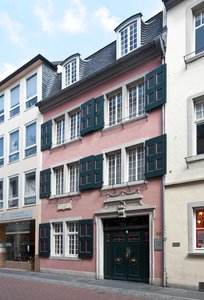
Portret Ludwig Van Beethoven

30 najsłynniejszych obrazów artysty Ludwig Van Beethoven, każdy niepowtarzalny

Aktualizacja: Listopad 2026 · ranking według naszego wskaźnika popularności (liczba wyszukiwań, wizyt i zamówień dla każdego dzieła) · 30 dzieł Ludwig Van Beethoven w naszym katalogu

W skrócie

Sonate für Klavier und Violoncello (A-Dur) op. 69 (1809) to obraz autorstwa Ludwig Van Beethoven, który przyciąga najwięcej spojrzeń; oryginał znajduje się w Beethoven-Haus Bonn, Bonn. Następnie wzrok kieruje się na Sonata for piano (A major) op. 101 (1816) i Letter to Nannette Streicher (1817). Spośród 30 dzieł Ludwig Van Beethoven w naszym katalogu, tych 30 jest najbardziej znanych – każde z nich to unikatowy oryginał, przedstawiony wraz z rokiem powstania, muzeum oraz powodem, dla którego przetrwało próbę czasu.

1770 – 1827, Bonn Romanticism Najwięcej dzieł: Beethoven-Haus Bonn

10 najlepszych obrazów autorstwa Ludwig Van Beethoven według oka galerii

1
Sonate für Klavier und Violoncello (A-Dur) op. 69 (1809) autorstwa Ludwig Van Beethoven

Sonate für Klavier und Violoncello (A-Dur) op. 69

1809 · Lithograph · Beethoven-Haus Bonn, Bonn

To gaze upon this depiction of Sonate für Klavier und Violoncello (A-Dur) op. 69 is to step directly into the vibrant, intellectual atmosphere of early nineteenth-century Vienna. This work transcends mere portraiture; it captures a moment suspended in time—a confluence of artistic genius and profound musical dialogue. The scene itself, rendered with an almost luminous quality, places us before two figures deeply engrossed in their craft. One musician, perhaps embodying…

2
Sonata for piano (A major) op. 101 (1816) autorstwa Ludwig Van Beethoven

Sonata for piano (A major) op. 101

1816 · Acrylic On Canvas · Beethoven-Haus Bonn, Bonn

Beethoven's Sonata for Piano in A major, Op. 101, isn’t merely a musical composition; it’s a profound exploration of the human spirit grappling with darkness and striving towards light. Completed in 1816, during a period marked by increasing deafness and personal turmoil, this work stands as a testament to his enduring genius – a beacon of hope amidst a storm.

3
Letter to Nannette Streicher (1817) autorstwa Ludwig Van Beethoven

Letter to Nannette Streicher

1817 · Acrylic On Paper · Beethoven-Haus Bonn, Bonn

WahooArt.com presents a meticulously crafted hand-painted reproduction of “Letter to Nannette Streicher,” a poignant relic from the twilight years of Ludwig van Beethoven's life. This isn't merely an image; it’s a tangible connection to one of history’s most tormented and brilliant musical minds. The original letter, penned in 1817, offers a rare glimpse into the composer’s personal world – a world increasingly shrouded by deafness and profound emotional struggle. The…

4
Quartet for 2 violins, viola, violoncello (B flat major) op. 130 (1827) autorstwa Ludwig Van Beethoven

Quartet for 2 violins, viola, violoncello (B flat major) op. 130

1827 · Acrylic On Canvas · Beethoven-Haus Bonn, Bonn

Elegant Reflection of Classical Heritage This exquisite vintage sheet music cover embodies the timeless elegance of early 19th-century musical artistry. Designed for Beethoven’s renowned Quartet in B-flat major, Op. 130, it captures the grandeur and sophistication associated with classical music’s golden age. The intricate line work, ornate typography, and decorative motifs evoke a sense of nobility and artistic prestige, making it a captivating piece for collectors and interior decorators alike.…

5
Deafness letter (1801) autorstwa Ludwig Van Beethoven

Deafness letter

1801 · Manuscript · Beethoven-Haus Bonn, Bonn

In the quiet intimacy of a single sheet of paper, we find one of the most profound intersections of human suffering and artistic resilience. The Deafness Letter, penned by Ludwig van Beethoven in 1801, is far more than a mere historical artifact; it is a visceral, handwritten fragment of a soul in crisis. This piece captures the moment when the composer, facing the terrifying onset of auditory loss, reached out…

6
Sonata for piano and violoncello (A major) op. 69, 1st movement (1808) autorstwa Ludwig Van Beethoven

Sonata for piano and violoncello (A major) op. 69, 1st movement

1808 · Painting · Beethoven-Haus Bonn, Bonn

A Symphony of Light and Shadow In the heart of 1808 Vienna, a city vibrating with artistic tension and intellectual fervor, this evocative painting captures more than just a musical moment; it captures the very essence of Ludwig van Beethoven’s spirit. As the composer navigated the encroaching silence of his deafness, his music—and this visual tribute to his Sonata for Piano and Violoncello in A major—became a vital bridge between…

7
Sonata for piano and violin (A major) op. 47, 1st movement (1803) autorstwa Ludwig Van Beethoven

Sonata for piano and violin (A major) op. 47, 1st movement

1803 · Acrylic On Canvas · Beethoven-Haus Bonn, Bonn

Ludwig van Beethoven's "Sonata for Piano and Violin in A major, Op. 47," often known as the “Kreutzer Sonata,” isn’t merely a musical composition; it’s a visceral experience, a window into the turbulent soul of one of history’s most transformative composers. Completed in 1803 during a period of intense personal and professional upheaval for Beethoven – marked by increasing deafness and shifting patronage – this sonata stands as a testament…

8
Sketchbook (1823) autorstwa Ludwig Van Beethoven

Sketchbook

1823 · Pencil · Beethoven-Haus Bonn, Bonn

To gaze upon this 1823 sketchbook fragment is to step directly into the private sanctuary of a musical genius. This piece, a delicate relic from the twilight years of Ludwig van Beethoven, transcends mere notation; it is a tactile window into the creative struggle and the profound solitude of one of history's most transformative minds. The aged, worn paper, bearing the weight of nearly two centuries, serves as a silent…

9
Letter to Nephew Karl (1825) autorstwa Ludwig Van Beethoven

Letter to Nephew Karl

1825 · Giclée Print · Beethoven-Haus Bonn, Bonn

This exquisite hand-painted reproduction captures a poignant moment in the life of Ludwig van Beethoven – a direct correspondence with his nephew, Karl, penned in 1825. More than just a letter, it’s a tangible link to a musical genius grappling with both artistic ambition and personal vulnerability. The photograph itself, a meticulously rendered black-and-white image, reveals the delicate script of the handwritten document, a testament to Beethoven's enduring skill as…

10
Quartet for two violins, viola and cello (A minor) op. 132 (1825) autorstwa Ludwig Van Beethoven

Quartet for two violins, viola and cello (A minor) op. 132

1825 · Acrylic On Canvas · Beethoven-Haus Bonn, Bonn

Ludwig van Beethoven's String Quartet No. 15 in A minor, Op. 132, stands as a profound testament to the composer’s evolving inner world during his late period—a time marked by increasing deafness and an intense grappling with mortality, faith, and the very nature of artistic expression. Completed in 1825, just months before his death, this quartet isn't merely a collection of musical notes; it’s a deeply personal narrative etched into…

Słynne obrazy artysty Ludwig Van Beethoven, od 11 do 30

Słynne obrazy Ludwig Van Beethoven epoka po epoce

Tematy, które przyciągnęły wzrok Ludwig Van Beethoven

Cztery motywy najczęściej powracające w tych oryginałach, z których każdy doczekał się swojego najdoskonalszego przykładu.

Muzea przechowujące oryginały Ludwig Van Beethoven

Muzeum, w którym znajduje się najwięcej obrazów prezentowanych na tej stronie.

Muzea Miasto Dzieła artysty Ludwig Van Beethoven Obrazy z tej listy
Beethoven-Haus Bonn, BonnBeethoven-Haus Bonn Bonn 30 Sonate für Klavier und Violoncello (A-Dur) op. 69, Sonata for piano (A major) op. 101, Letter to Nannette Streicher

Ludwig Van Beethoven na przestrzeni dekad: jeden unikatowy oryginał dla każdego

Dzieła według dekad

Wybierz dekadę, aby zobaczyć dzieło, które ją definiuje.

Obrazy artysty Ludwig Van Beethoven: pytania do galerii

Jakie jest najsłynniejsze dzieło artysty Ludwig Van Beethoven?Odkryj odpowiedź

Sonate für Klavier und Violoncello (A-Dur) op. 69 (1809), Beethoven-Haus Bonn, Bonn. Następne są Sonata for piano (A major) op. 101 (1816) oraz Letter to Nannette Streicher (1817).

W jakim wieku Ludwig Van Beethoven stworzył/a Sonate für Klavier und Violoncello (A-Dur) op. 69?Odkryj odpowiedź

39 lat: Sonate für Klavier und Violoncello (A-Dur) op. 69 pochodzi z 1809, a Ludwig Van Beethoven urodził(a) się w 1770.

Które dziesięć obrazów Ludwig Van Beethoven jest najbardziej znanych?Odkryj odpowiedź

Sonate für Klavier und Violoncello (A-Dur) op. 69, Sonata for piano (A major) op. 101, Letter to Nannette Streicher, Quartet for 2 violins, viola, violoncello (B flat major) op. 130, Deafness letter, Sonata for piano and violoncello (A major) op. 69, 1st movement, Sonata for piano and violin (A major) op. 47, 1st movement, Sketchbook, Letter to Nephew Karl i Quartet for two violins, viola and cello (A minor) op. 132. Powyższy ranking zawiera rok powstania oraz muzeum dla każdego z nich.

Ile znanych dzieł stworzył Ludwig Van Beethoven?Odkryj odpowiedź

Nasz katalog zawiera 30 dzieł artysty Ludwig Van Beethoven, datowanych od 1790 do 1827.

Gdzie można zobaczyć najsłynniejsze oryginały Ludwig Van Beethoven?Odkryj odpowiedź

W większości znajdują się w Beethoven-Haus Bonn (Bonn). Powyższa tabela muzeów zawiera ich pełną listę.

W jakim okresie Ludwig Van Beethoven stworzył/a swoje najsłynniejsze obrazy?Odkryj odpowiedź

W 1800s: 11 z 30 dzieł na tej stronie powstało w tym czasie, w tym Sonate für Klavier und Violoncello (A-Dur) op. 69.

Który z najsłynniejszych obrazów artysty Ludwig Van Beethoven powstał najwcześniej, a który najpóźniej?Odkryj odpowiedź

Na tej stronie najwcześniejszy to Three sonatas for piano (E flat major, F minor, D major) WoO 47 (1790), a najpóźniejszy Quartet for 2 violins, viola, violoncello (B flat major) op. 130 (1827).

Jakie tematy preferował Ludwig Van Beethoven?Odkryj odpowiedź

Music (9), Classical music (9) i Classical (7), w ramach 30 dzieł na tej stronie.

Jakich materiałów Ludwig Van Beethoven używał najczęściej?Odkryj odpowiedź

Acrylic On Canvas, dla 14 z 30 dzieł na tej stronie.

Do jakiego nurtu należy twórczość Ludwig Van Beethoven?Odkryj odpowiedź

Romanticism, sądząc po oryginałach na tej stronie.

Jakie oryginały Ludwig Van Beethoven można zobaczyć w Beethoven-Haus Bonn?Odkryj odpowiedź

Sonate für Klavier und Violoncello (A-Dur) op. 69, Sonata for piano (A major) op. 101 i Letter to Nannette Streicher: Beethoven-Haus Bonn, Bonn posiada 30 dzieł widocznych na tej stronie.

Ludwig Van Beethoven: portret artysty

Wczesne lata i muzyczne początki

Ludwig van Beethoven, znamienity niemiecki kompozytor i pianista, przyszedł na świat w 1770 roku w Bonn, w Niemczech. Wykazując niezwykły talent muzyczny już w bardzo młodym wieku, rozpoczął naukę pod okiem różnych mistrzów, zanim ostatecznie przeniósł się do Wiednia, gdzie spędził większą część swojego życia. Pomimo dotkliwej głuchoty, która towarzyszyła mu przez znaczną część kariery, Beethoven nie zaprzestał tworzenia i skomponował jedne z najbardziej ikonicznych dzieł muzyki klasycznej, w tym IX Symfonię oraz Sonatę Księżycową. Jego nowatorskie kompozycje w sposób niezwykły łączyły głosy z instrumentami, kreując unikalne brzmienie, które przez stulecia wywierało wpływ na niezliczonych muzyków. Do najbardziej znaczących dzieł Beethovena należą: Największym osiągnięciem Beethovena było wyniesienie muzyki instrumentalnej, dotychczas uważanej za gorszą od wokalnej, na najwyższy poziom sztuki. Jego wpływ na muzykę klasyczną jest niezmierzony, a jego utwory zajmują miejsce wśród najczęściej wykonywanych dzieł w całym repertuarze. Odkryj więcej dzieł Beethovena na OriginalUniqueArt.com: Ludwig van Beethoven | 30 dzieł sztuki Dowiedz się więcej o życiu i muzyce Beethovena na Wikipedia: Ludwig van Beethoven - Wikipedia