Życie rozświetlone blaskiem: Sztuka Louisa Comforta Tiffany'ego
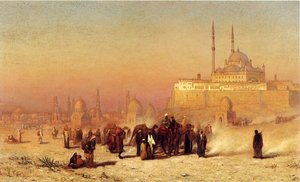
Urodzony w świecie ugruntowanego luksusu jako syn Charlesa Lewisa Tiffany'ego, założyciela słynnej firmy Tiffany & Co., Louis Comfort Tiffany (1848–1933) rzucił wyzwanie oczekiwaniom, kreując własną ścieżkę – nie w świecie handlu, lecz w królestwie sztuki. Choć był przeznaczony do życia w przywileju, młody Louis skrywał głęboką pasję do malarstwa, początkowo studiując pod okiem George'a Innessa i Samuela Colmana. Chłonął wówczas zasady romantyzmu oraz zachwyt nad egzotycznymi krajobrazami – wpływy te są wyraźnie widoczne w jego wczesnych dziełach, takich jak „Wężowy czarodziej w Tangerze”. To fundamentalne wykształcenie zaszczepiło w nim nie tylko biegłość techniczną, ale także niezwykłą wrażliwość na kolor, światło i atmosferę, co później zdefiniowało jego rewolucyjny wkład w sztukę dekoracyjną. Jego artystyczna edukacja trwała nadal w National Academy of Design oraz pod okiem Leon-Adolphe-Auguste Belly, szlifując umiejętności przed przełomową zmianą zainteresowań, która zaczęła kształtować się około 1875 roku.Geneza innowacji: Od malarstwa do szkła
Trajektoria życiowa Tiffany'ego przybrała nieoczekiwany obrót, gdy coraz bardziej uległ fascynacji możliwościami, jakie oferuje szklarstwo. Nie była to jedynie zmiana medium, lecz całkowite przewartościowanie tego, czym szkło *może* być. Niezadowolony z ówczesnych standardów produkcji szklanej, którą uważał za pozbawioną wartości artystycznej i oryginalności, Tiffany podjął misję wyniesienia rzemiosła do rangi sztuki wysokiej. Krótka, lecz znacząca współpraca z Candace Wheeler, Samuelem Colmanem i Lockwoodiem de Forestem w ramach grupy „Louis Comfort Tiffany and Associated American Artists” (1879–1884) stała się wczesną platformą dla eksperymentów i wspólnej wizji artystycznej. Jednak to założenie własnej fabryki szkła w Corona w Nowym Jorku prawdziwie uwolniło jego potencjał twórczy. Nie był to zwykły zakład produkcyjny; było to laboratorium, w którym nieustannie poszukiwał nowych technik i efektów. Przełomowe zlecenie – projekt wnętrza ikonicznego domu Marka Twaina w Hartford w Connecticut (188ł) – stało się wczesną prezentacją jego rozwijających się umiejętności dekoracyjnych, zapowiadając przepych estetyczny, który wkrótce miał stać się synonimem jego nazwiska.Rewolucja w szkle: Technika i estetyka
Dziedzictwo Tiffany'ego opiera się na serii pionierskich innowacji, które fundamentalnie zmieniły oblicze sztuki szklanej. Być może najważniejszym osiągnięciem było opracowanie techniki „miedzianej folii” (copper foil), polegającej na owijaniu każdego kawałka szkła cienką warstwą miedzi przed ich lutowaniem. To genialne podejście pozwoliło na tworzenie misternych wzorów i niespotykanej dotąd szczegółowości, przełamując ograniczenia tradycyjnych metod ołowianych. Jednak Tiffany nie poprzestał na tym. Stał się pionierem szkła Favrile – nazwy wywodzącej się ze staroangielskiego słowa *fabrile*, oznaczającego „wykonany ręcznie” – charakteryzującego się opalizującą powierzchnią i żywą, unikalną jakością dmuchanego szkła. Nie była to produkcja masowa; każdy element był jedyny w swoim rodzaju, przesiąknięty dotykiem artysty. Jego eksploracja szkła opalowego jeszcze bardziej rozszerzyła paletę artystyczną, tworząc eteryczne efekty i odrębny styl, który porwał wyobraźnię publiczności. Te innowacje nie były jedynie osiągnięciami technicznymi; stanowiły integralną część jego przynależności do ruchu Art Nouveau, charakteryzującego się płynnymi liniami, motywami organicznymi i niezłomnym naciskiem na dekoracyjne piękno.Trwałe dziedzictwo: Wpływ i oddziaływanie
Louis Comfort Tiffany jawi się jako monumentalna postać w historii sztuki amerykańskiej, powszechnie uznawany za najważniejszego twórcę zarówno nurtu Art Nouveau, jak i ruchu estetycznego (Aesthetic Movement) w Stanach Zjednoczonych. Jego praca przekroczyła granice rzemiosła, podnosząc sztukę dekoracyjną do rangi sztuki wysokiej – co w tamtych czasach było koncepcją radykalną. Wpływ jego innowacji wykraczał daleko poza witraże; wpłynął na projektowanie wnętrz, jubilerstwo, ceramikę i niezliczone inne dyscypliny artystyczne. Dziś dzieła Tiffany'ego są celebrowane w muzeach na całym świecie, w tym w New Orleans Museum of Art oraz Bergstrom-Mahler Museum of Glass, służąc jako świadectwo jego nieprzemijającego geniuszu. Jego projekty wciąż inspirują artystów i projektantów, a dostępne reprodukcje pozwalają nowym pokoleniom doświadczać piękna i innowacyjności jego pracy. Tiffany nie tworzył jedynie przedmiotów; on kreował doświadczenia, przekształcając przestrzenie w immersyjne środowiska pełne koloru, światła i artyzmu. Pozostawił niezatarte piętno na krajobrazie estetycznym przełomu XIX i XX wieku – dziedzictwo, które nadal rozświetla nasz świat.Poza szkło: Artysta wielowymiarowy
Choć sławny jest przede wszystkim dzięki pracy ze szkłem, należy pamiętać, że Louis Comfort Tiffany był artystą niezwykle wszechstronnym. Jego uwaga nie ograniczała się wyłącznie do witraży i lamp; odnosił sukcesy również w tworzeniu mozaik, szkła dmuchanego, ceramiki, biżuterii, emalii oraz wyrobów metalowych. Jego podejście było holistyczne; wierzył bowiem, że wszystkie elementy wnętrza powinny współgrać ze sobą, tworząc spójne doświadczenie estetyczne. Ta filozofia jest widoczna w licznych zleceniach na wyposażenie prywatnych rezydencji i przestrzeni publicznych, gdzie z niezwykłą starannością projektował każdy detal – od mebli i tekstyliów, po oświetlenie i dekoracyjne akcenty. Podejmował nawet próby projektowania krajobrazu, przenosząc swoją artystyczną wrażliwość na otoczenie zewnętrzne. Jego oddanie idei „projektu totalnego” – koncepcji wyprzedzającej swoje czasy – ugruntowało jego pozycję jako prawdziwego wizjonera, kształtującego nie tylko pojedyncze obiekty, ale całe sposoby życia i przeżywania piękna.Pytania i odpowiedzi
Czy mogę przeglądać dzieła Louis Comfort Tiffany według nurtów artystycznych?
Strona Wszystkie nurty artystyczne grupuje dzieła Louis Comfort Tiffany według nurtów artystycznych.
Które dzieła Louis Comfort Tiffany są najczęściej oglądane?
Strona Statystyki odwiedzin artysty Louis Comfort Tiffany przedstawia statystyki obliczone na podstawie dzieł tego artysty wymienionych w niniejsza strona.
Jak mogę znaleźć dzieła artysty Louis Comfort Tiffany w konkretnej palecie barw?
Prace artysty Louis Comfort Tiffany można przeglądać według palety kolorystycznej na stronie Według palet kolorystycznych artysty.