Portret Lene Adler-Petersen

Obrazy: 19 najsłynniejszych dzieł artysty Lene Adler-Petersen – spojrzenie galerii

Aktualizacja: Listopad 2026 · ranking według naszego wskaźnika popularności (liczba wyszukiwań, wizyt i zamówień dla każdego dzieła) · 19 dzieł Lene Adler-Petersen w naszym katalogu

W skrócie

Według opinii kuratorów galerii, najsłynniejszym obrazem Lene Adler-Petersen jest Indoors (1982), którego oryginał znajduje się w Statens Museum for Kunst w Kopenhaga. "Portrættet af Rita", 1983 (1976) i "Portrættet af Rita", 1983 (1976) dopełniają trio, które zna każde oko. Z 19 dzieł Lene Adler-Petersen w naszym katalogu, galeria prezentuje poniżej 19 najsłynniejszych prac – każda z nich jest oryginałem z podaniem roku powstania, muzeum oraz cech wyróżniających ją na tle innych.

urodzony 1944, Aarhus Najwięcej dzieł: Statens Museum for Kunst

10 najlepszych obrazów artysty Lene Adler-Petersen w galerii

2
"Portrættet af Rita", 1983 (1976) autorstwa Lene Adler-Petersen

"Portrættet af Rita", 1983

1976 · Collage · Statens Museum for Kunst, Kopenhaga

The work known as "Portrættet af Rita", 1983, emerges from the creative mind of Lene Adler-Petersen. This piece carries the name of its subject into a space of abstraction and form. The artist, Lene Adler-Petersen, brings a specific perspective to this creation, shaped by her origins in Aarhus, Denmark. She enters the world of art through a working-class background in this Danish city, a fact that informs the grounded nature…

3
"Portrættet af Rita", 1983 (1976) autorstwa Lene Adler-Petersen

"Portrættet af Rita", 1983

1976 · Statens Museum for Kunst, Kopenhaga

In "Portrættet af Rita", 1983, the viewer encounters a silent dialogue between light and shadow. Lene Adler-Petersen, an artist whose creative spirit emerged from the experimental scenes of Aarhus, Denmark, crafts a vision that moves away from the recognizable world. This piece, dated 1976, exists within the realms of abstract, minimalist, and non-representational contemporary art. It does not seek to mimic a face or a person, but rather to capture…

Obrazy artysty Lene Adler-Petersen, uszeregowane od 11 do 19 miejsca

Tematy, które przyciągnęły wzrok Lene Adler-Petersen

Cztery motywy najczęściej powracające w tych oryginałach, z których każdy doczekał się swojego najdoskonalszego przykładu.

Muzea przechowujące oryginały Lene Adler-Petersen

Muzeum, w którym znajduje się najwięcej obrazów prezentowanych na tej stronie.

Muzea Miasto Dzieła artysty Lene Adler-Petersen Obrazy z tej listy
Statens Museum for Kunst, KopenhagaStatens Museum for Kunst Kopenhaga 18 Indoors, "Portrættet af Rita", 1983, "Portrættet af Rita", 1983

Lene Adler-Petersen, jedno kultowe dzieło na dekadę

Dzieła według dekad

Wybierz dekadę, aby zobaczyć dzieło, które ją definiuje.

Obrazy artysty Lene Adler-Petersen: odpowiedzi galerii

Który obraz Lene Adler-Petersen jest najsłynniejszy ze wszystkich?Odkryj odpowiedź

Indoors (1982), Statens Museum for Kunst, Kopenhaga. Następne są "Portrættet af Rita", 1983 (1976) oraz "Portrættet af Rita", 1983 (1976).

Ile lat miał Lene Adler-Petersen, gdy ukończył Indoors?Odkryj odpowiedź

38 lat: Indoors pochodzi z 1982, a Lene Adler-Petersen urodził(a) się w 1944.

Które to 10 najlepszych obrazów Lene Adler-Petersen?Odkryj odpowiedź

Indoors, "Portrættet af Rita", 1983, "Portrættet af Rita", 1983, "Portrættet af Rita", 1983, "Portrættet af Rita", 1983, "Portrættet af Rita", 1983, "Portrættet af Rita", 1983, "Portrættet af Rita", 1983, "Portrættet af Rita", 1983 i "Portrættet af Rita", 1983. Powyższy ranking zawiera rok powstania oraz muzeum dla każdego z nich.

Ile dzieł stworzył/a Lene Adler-Petersen?Odkryj odpowiedź

Nasz katalog zawiera 19 dzieł artysty Lene Adler-Petersen, datowanych od 1976 do 1991.

Gdzie można znaleźć najsłynniejsze oryginały autorstwa Lene Adler-Petersen?Odkryj odpowiedź

W większości znajdują się w Statens Museum for Kunst (Kopenhaga). Powyższa tabela muzeów zawiera ich pełną listę.

Kiedy Lene Adler-Petersen stworzył swoje najsłynniejsze obrazy?Odkryj odpowiedź

W 1970s: 14 z 19 dzieł na tej stronie powstało w tym czasie, w tym "Portrættet af Rita", 1983.

Które z najsłynniejszych dzieł Lene Adler-Petersen należą do jego najwcześniejszych i najpóźniejszych prac?Odkryj odpowiedź

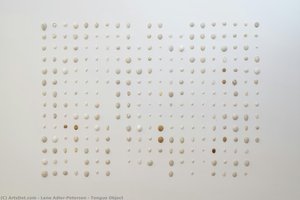
Na tej stronie najwcześniejszy to "Portrættet af Rita", 1983 (1976), a najpóźniejszy Tongue Object (1991).

Do jakich tematów Lene Adler-Petersen powracał najczęściej?Odkryj odpowiedź

Blue shapes (2), Black background (2) i Geometric forms (2), w ramach 19 dzieł na tej stronie.

Które oryginały artysty Lene Adler-Petersen znajdują się w zbiorach Statens Museum for Kunst?Odkryj odpowiedź

Indoors, "Portrættet af Rita", 1983 i "Portrættet af Rita", 1983: Statens Museum for Kunst, Kopenhaga posiada 18 dzieł widocznych na tej stronie.

Lene Adler-Petersen: artysta

Lene Adler Petersen: A Pioneer of Danish Conceptual and Feminist Art

Lene Adler Petersen, born in Aarhus, Denmark, in January 1944, is a profoundly influential figure in the landscape of Danish art. Her career, spanning over six decades, isn’t defined by a singular style but rather by an expansive, relentlessly evolving practice that encompasses performance art, film, drawing, printmaking, installation, and photography – all interwoven with a deep engagement with themes of gender, creativity, and political consciousness. Adler Petersen's work stands as a testament to the power of experimentation, collaboration, and a persistent questioning of established artistic norms, particularly within the context of Scandinavian art history. Her journey began amidst the vibrant experimental scene emerging in Copenhagen during the 1960s, a period marked by a radical shift away from traditional approaches and a fervent embrace of new media and conceptual ideas.

Early Influences and the Eks-Skolen Movement

Adler Petersen’s artistic education laid the groundwork for her distinctive approach. She initially studied at Det Jyske Kunstakademi (The Danish Art Academy) in 1964-66, followed by The Royal Danish Academy of Fine Arts from 1968-69. Crucially, it was her involvement with *Eks-skolen* (“Ex-School”), a collective of artists and filmmakers operating outside the established academic structures, that truly shaped her trajectory. This environment fostered a spirit of collaborative experimentation, pushing boundaries in film, performance, and printmaking. *Eks-skolen*, meaning “The Ex-School,” was more than just an artistic group; it represented a deliberate rejection of institutionalized art, prioritizing process over product and encouraging radical approaches to media and content. This ethos profoundly influenced Adler Petersen’s later work, emphasizing the inherent value of the creative act itself. Her early collaborations within *Eks-skolen*, including with Bjørn Nørgaard, her future husband, established a dynamic partnership built on shared artistic vision and a commitment to challenging conventions.

Performance, Politics, and the Body

A defining element of Adler Petersen’s oeuvre is her exploration of performance art, often imbued with potent political and feminist undertones. Her early work, such as “Uddrivelsen fra templet, nøgen kvindelig Kristus, d. 29. maj, kl. 15.50, 1969, Børsen” (The Exorcism from the Temple, Naked Female Christ, May 29th, 3:50 PM, 1969, The Stock Exchange), is a particularly striking example. This daring performance, executed in collaboration with Bjørn Nørgaard, involved Adler Petersen carrying a cross through the Copenhagen Stock Exchange while nude, directly referencing the crucifixion of Jesus Christ and implicitly critiquing patriarchal structures within society. This act was not merely theatrical; it was a deliberate provocation designed to disrupt established power dynamics and challenge conventional representations of femininity. Throughout her career, she consistently used her body as a site for political commentary, exploring themes of identity, gender roles, and social justice.

Drawing, Collage, and the Accumulation of Meaning

Beyond performance, Adler Petersen’s artistic practice is characterized by a meticulous and deeply personal approach to drawing and collage. Her work often involves an obsessive process of collecting, sorting, and layering – a deliberate act of accumulation that generates complex visual narratives. The series “Tag en sten op” (Take a Stone Up), created in 1977, involved the production of over 1200 drawings, each seemingly simple yet contributing to a larger, more ambiguous whole. Similarly, her work with cut-outs and collage, such as "Udklip på papir med Kvindetegnet" (Cut-outs on Paper with Female Image), reflects a fascination with the potential of fragmented imagery to convey meaning. These practices demonstrate a commitment to sustained engagement with materials and a belief in the inherent value of the creative process itself.

Legacy and Recognition

Lene Adler Petersen’s impact extends far beyond her immediate circle within Danish art. She played a crucial role in paving the way for conceptual and feminist art in Scandinavia, inspiring a generation of younger artists to question established paradigms and embrace experimental approaches. Her work is held in significant collections across Denmark, including the National Gallery of Denmark, ARoS Aarhus Kunstmuseum, and Ny Carlsberg Glyptotek, solidifying her place as a pivotal figure in contemporary art history. Her continued output, evidenced by publications like “Kvindetegnet” (The Female Image) in 2010, demonstrates an enduring commitment to exploring the complexities of gender representation and artistic production. Adler Petersen’s legacy lies not only in her individual artworks but also in her pioneering spirit and her unwavering dedication to pushing the boundaries of creative expression.