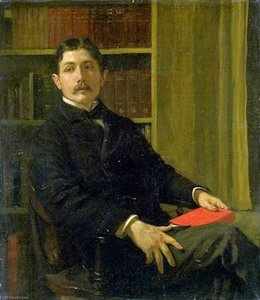
Portret Kenyon Cox

71 najsłynniejszych obrazów artysty Kenyon Cox, każdy niepowtarzalny

Aktualizacja: Listopad 2026 · ranking według naszego wskaźnika popularności (liczba wyszukiwań, wizyt i zamówień dla każdego dzieła) · 76 dzieł Kenyon Cox w naszym katalogu

W skrócie

The Progress of Civilization The Forge, Commerce, and Education (mural study, State Capitol, Des Moines, Iowa) (1906) to obraz autorstwa Kenyon Cox, który przyciąga najwięcej spojrzeń; oryginał znajduje się w Smithsonian American Art Museum, Waszyngton. Następnie wzrok kieruje się na Landscape at Grez (1879) i Henry L. Fry (1883). Spośród 76 dzieł Kenyon Cox w naszym katalogu, tych 71 jest najbardziej znanych – każde z nich to unikatowy oryginał, przedstawiony wraz z rokiem powstania, muzeum oraz powodem, dla którego przetrwało próbę czasu.

1856 – 1919, Warren Classical realism Najwięcej dzieł: Smithsonian American Art Museum

10 najlepszych obrazów autorstwa Kenyon Cox według oka galerii

1
The Progress of Civilization The Forge, Commerce, and Education (mural study, State Capitol, Des Moines, Iowa) (1906) autorstwa Kenyon Cox

The Progress of Civilization The Forge, Commerce, and Education (mural study, State Capitol, Des Moines, Iowa)

1906 · Oil On Canvas · Smithsonian American Art Museum, Waszyngton

The Progress of Civilization The Forge, Commerce, and Education (mural study, State Capitol, Des Moines, Iowa) is an oil on canvas work by Kenyon Cox. Created about 1905-1906, this piece functions as a preparatory study for a larger mural intended for the State Capitol in Des Moines, Iowa. The artist, Kenyon Cox, sought to capture the movement of human advancement through these specific, segmented scenes.

2
Landscape at Grez (1879) autorstwa Kenyon Cox

Landscape at Grez

1879 · Black and White Photography · Cincinnati Art Museum, Cincinnati

In Landscape at Grez, Kenyon Cox organizes a formal indoor setting through a centered composition. The subject, a man seated in a decorative wooden chair, is positioned slightly to the right of the vertical axis. This slight offset breaks the symmetry of the room, providing a sense of depth against the structured background. The perspective is a straight-on eye-level shot, placing the viewer directly in front of the subject within…

3
Henry L. Fry (1883) autorstwa Kenyon Cox

Henry L. Fry

1883 · Oil On Canvas · Cincinnati Art Museum, Cincinnati

This oil on canvas portrait by Kenyon Cox depicts Henry L. Fry. Created in 1883, the work presents the subject in a full-length view. The man is positioned slightly off-center against a background of draped fabric. He is shown with a white beard and wears a dark overcoat. The composition is vertical, focusing on the single figure within the frame.

4
The Approach of Love (1890) autorstwa Kenyon Cox

The Approach of Love

1890 · Oil · Cincinnati Art Museum, Cincinnati

In "The Approach of Love" by Kenyon Cox, the horizontal plane is anchored by a massive, curved marble bench. This white sarcophagus occupies the center of the scene, acting as a heavy, pale foundation for the figures. On the left, a nude woman with long reddish-brown hair reclines against the stone. A voluminous, golden-yellow fabric spills over the edge of the marble, its bright weight contrasting against the cool, white…

5
Diana (1890) autorstwa Kenyon Cox

Diana

1890 · Oil On Canvas · Chazen Museum of Art, Madison

In "Diana" by Kenyon Cox, the Roman goddess Artemis emerges from the shadows of a lush, wooded landscape. Created about 1890, the work places the deity at the center of a quiet, natural world. She is rendered as a full-length nude figure, her form poised against the deep greens and browns of the surrounding foliage. The goddess occupies the heart of the scene, a singular presence amidst the organic textures…

6
The Harp Player (A Solo) (1888) autorstwa Kenyon Cox

The Harp Player (A Solo)

1888 · Oil On Canvas · Metropolitan Museum of Art, Nowy Jork

The Harp Player (A Solo) is an oil painting by the American artist Kenyon Cox. Created about 1888, the work emerged during a period when Cox was establishing his reputation within the academic traditions of the late 19th century. His practice emphasized careful drawing and a commitment to classical ideals, often focusing on genre studies and idealized forms.

7
The Fall (1892) autorstwa Kenyon Cox

The Fall

1892 · Oil On Canvas

In this 1892 oil painting, Kenyon Cox captures a moment of profound transition within a lush, wooded landscape. The work, titled The Fall, presents the biblical narrative of Adam and Eve at the precise instant of their temptation. A serpent coils around the trunk of a tree, embodying the presence of evil, while Eve reaches out to offer the fruit to Adam. This central action transforms the garden into a…

8
Head of the Queen of Egypt (1888) autorstwa Kenyon Cox

Head of the Queen of Egypt

1888 · Oil · Smithsonian American Art Museum, Waszyngton

In this work, titled Head of the Queen of Egypt, the artist Kenyon Cox presents a focused study of a historical figure. The painting depicts the head of Nefertiti, the Egyptian queen who belonged to the Eighteenth Dynasty. It is a quiet, measured representation that captures the likeness of the sculpted bust rather than a living person.

9
Bird Song (1896) autorstwa Kenyon Cox

Bird Song

1896 · Oil

In "Bird Song" by Kenyon Cox, a seated female figure occupies the center of the frame. She is positioned vertically, a steady pillar of quietude amidst a soft-focus world. Her white chemise-style top is patterned with small green leaf motifs, a delicate detail against the pale fabric. Below, a heavy, draped skirt of greyish-purple pools around her feet in thick, weighted folds. She holds a long, slender wooden flute in…

10
Christ (1905) autorstwa Kenyon Cox

Christ

1905 · Oil On Canvas · Cleveland Museum of Art, Cleveland

In the painting Christ by Kenyon Cox, the composition is centered and symmetrical. The subject is presented in a full-length view, standing as a single male figure against a landscape background. This figure is depicted with long brown hair and a beard. He wears voluminous, flowing red robes that drape heavily around the body. His arms are slightly extended to his sides, with the palms facing upward in a gesture…

Słynne obrazy artysty Kenyon Cox, od 11 do 71

11(Iowa State Capitol Rotunda) (Manufactures, study for panel) (1905) autorstwa Kenyon Cox(Iowa State Capitol Rotunda) (Manufactures, study for panel)1905 12(Iowa State Capitol Rotunda) (Manufactures, study for panel) (1905) autorstwa Kenyon Cox(Iowa State Capitol Rotunda) (Manufactures, study for panel)1905 · Smithsonian American Art Museum 13Maxfield Parrish (1905) autorstwa Kenyon CoxMaxfield Parrish1905 14Tradition (1916) autorstwa Kenyon CoxTradition1916 · Cleveland Museum of Art 15The Education of Cupid (1917) autorstwa Kenyon CoxThe Education of Cupid1917 16Sketch for the Mural at Oberlin College, The Spirit of Self Sacrificing Love (1914) autorstwa Kenyon CoxSketch for the Mural at Oberlin College, The Spirit of Self Sacrificing Love1914 · Smithsonian American Art Museum 17Augustus Saint-Gaudens (1908) autorstwa Kenyon CoxAugustus Saint-Gaudens1908 · Metropolitan Museum of Art 18(Study for Labor ) (1870) autorstwa Kenyon Cox(Study for Labor )1870 19Study for Mosaic, Wisconsin State Capitol, (1912) autorstwa Kenyon CoxStudy for Mosaic, Wisconsin State Capitol,1912 · Oklahoma City Museum of Art 20(Untitled) (Greco Roman Discus Thrower) (1873) autorstwa Kenyon Cox(Untitled) (Greco Roman Discus Thrower)1873 21(Untitled) (Study of Standing Male Nude) (1876) autorstwa Kenyon Cox(Untitled) (Study of Standing Male Nude)1876 22(Untitled) (Studies of Male Nudes) (1876) autorstwa Kenyon Cox(Untitled) (Studies of Male Nudes)1876 23Flying Shadows (1883) autorstwa Kenyon CoxFlying Shadows1883 24Landscape (1883) autorstwa Kenyon CoxLandscape1883 · Metropolitan Museum of Art 25Flying Shadows (1883) autorstwa Kenyon CoxFlying Shadows1883 · National Gallery of Art 26A Lady in Black (1880) autorstwa Kenyon CoxA Lady in Black1880 · Smithsonian American Art Museum 27Study for Evening (1883) autorstwa Kenyon CoxStudy for Evening1883 · Smithsonian American Art Museum 28After Titian's Madonna of the Rabbit (1882) autorstwa Kenyon CoxAfter Titian's Madonna of the Rabbit1882 · Smithsonian American Art Museum 29After Boltraffio, Sacra Conversazione (1882) autorstwa Kenyon CoxAfter Boltraffio, Sacra Conversazione1882 · Smithsonian American Art Museum 30May (1890) autorstwa Kenyon CoxMay1890 31Indian Summer (1887) autorstwa Kenyon CoxIndian Summer1887 · Smithsonian American Art Museum 32Louise Howland King (Mrs. Kenyon Cox) (1892) autorstwa Kenyon CoxLouise Howland King (Mrs. Kenyon Cox)1892 · Smithsonian American Art Museum 33Study for Drapery of Pursuit of the Ideal (1891) autorstwa Kenyon CoxStudy for Drapery of Pursuit of the Ideal1891 · Smithsonian American Art Museum 34Echo (1892) autorstwa Kenyon CoxEcho1892 · Smithsonian American Art Museum 35An Eclogue (1890) autorstwa Kenyon CoxAn Eclogue1890 · Smithsonian American Art Museum 36Sketches for a Decoration of a Private Library B (1894) autorstwa Kenyon CoxSketches for a Decoration of a Private Library B1894 · Smithsonian American Art Museum 37Sketches for the Decoration of a Private Library A (1894) autorstwa Kenyon CoxSketches for the Decoration of a Private Library A1894 · Smithsonian American Art Museum 38Portrait of Mr. Wiley (1894) autorstwa Kenyon CoxPortrait of Mr. Wiley1894 39Study for Science Instructing Industry (1898) autorstwa Kenyon CoxStudy for Science Instructing Industry1898 · Smithsonian American Art Museum 40(Iowa State Capitol Rotunda) (Hunting, study for panel) (1905) autorstwa Kenyon Cox(Iowa State Capitol Rotunda) (Hunting, study for panel)1905 41Hope and memory (1900) autorstwa Kenyon CoxHope and memory1900 42Study for Mural at Hotel Manhattan, Peace and Plenty (1901) autorstwa Kenyon CoxStudy for Mural at Hotel Manhattan, Peace and Plenty1901 · Smithsonian American Art Museum 43Untitled, Portrait of a Young Girl (1900) autorstwa Kenyon CoxUntitled, Portrait of a Young Girl1900 44Study for mural, Union Trust Company Building, The Sources of Wealth (1903) autorstwa Kenyon CoxStudy for mural, Union Trust Company Building, The Sources of Wealth1903 · Smithsonian American Art Museum 45(Iowa State Capitol Rotunda) (study for Six Lunettes) (1905) autorstwa Kenyon Cox(Iowa State Capitol Rotunda) (study for Six Lunettes)1905 46Study for Christ (1905) autorstwa Kenyon CoxStudy for Christ1905 · Smithsonian American Art Museum 47Study for Mural for Appellate Court Building, New York Statute Law , Helmet for Figure of Force (1899) autorstwa Kenyon CoxStudy for Mural for Appellate Court Building, New York Statute Law , Helmet for Figure of Force1899 · Smithsonian American Art Museum 48Approach of Love autorstwa Kenyon CoxApproach of LoveCincinnati Art Museum 49Augustus Saint Gaudens (1908) autorstwa Kenyon CoxAugustus Saint Gaudens1908 50Plenty (1910) autorstwa Kenyon CoxPlenty1910 · Smithsonian American Art Museum 51The Silver Hand Glass (1907) autorstwa Kenyon CoxThe Silver Hand Glass1907 · Smithsonian American Art Museum 52The Progress of Civilization Science and Art (mural study, State Capitol, Des Moines, Iowa) (1906) autorstwa Kenyon CoxThe Progress of Civilization Science and Art (mural study, State Capitol, Des Moines, Iowa)1906 · Smithsonian American Art Museum 53The Progress of Civilization Hunting, Herding, Agriculture (mural study, State Capitol, Des Moines, Iowa) (1906) autorstwa Kenyon CoxThe Progress of Civilization Hunting, Herding, Agriculture (mural study, State Capitol, Des Moines, Iowa)1906 · Smithsonian American Art Museum 54Study for Mural at U.S. Custom House, Cleveland, OH, Passing Commerce Pays Tribute to the Port of Cleveland (1909) autorstwa Kenyon CoxStudy for Mural at U.S. Custom House, Cleveland, OH, Passing Commerce Pays Tribute to the Port of Cleveland1909 · Smithsonian American Art Museum 55Study for Mosaic, Wisconsin State Capital, Legislation (1913) autorstwa Kenyon CoxStudy for Mosaic, Wisconsin State Capital, Legislation1913 · Smithsonian American Art Museum 56Book of Pictures (1917) autorstwa Kenyon CoxBook of Pictures1917 · Smithsonian American Art Museum 57Study for Mosaic, Wisconsin State Capital, Justice (1913) autorstwa Kenyon CoxStudy for Mosaic, Wisconsin State Capital, Justice1913 · Smithsonian American Art Museum 58Study for mosaic in the Wisconsin State Capital Government and Liberty (1912) autorstwa Kenyon CoxStudy for mosaic in the Wisconsin State Capital Government and Liberty1912 · Smithsonian American Art Museum 59Sketch for Mosaic, Wisconsin State Capital, Justice (1912) autorstwa Kenyon CoxSketch for Mosaic, Wisconsin State Capital, Justice1912 · Smithsonian American Art Museum 60Nude Study for Mosaic, Wisconsin State Capitol, (1912) autorstwa Kenyon CoxNude Study for Mosaic, Wisconsin State Capitol,1912 · Oklahoma City Museum of Art 61Nude Study for Mosaic, Wisconsin State Capitol, (1912) autorstwa Kenyon CoxNude Study for Mosaic, Wisconsin State Capitol,1912 · Oklahoma City Museum of Art 62Nude Study for Mosaic, Wisconsin State Capitol, (1912) autorstwa Kenyon CoxNude Study for Mosaic, Wisconsin State Capitol,1912 · Oklahoma City Museum of Art 63Nude Study for Mosaic, Wisconsin State Capitol, (1912) autorstwa Kenyon CoxNude Study for Mosaic, Wisconsin State Capitol,1912 · Oklahoma City Museum of Art 64Study for Mosaic, Wisconsin State Capitol, (1912) autorstwa Kenyon CoxStudy for Mosaic, Wisconsin State Capitol,1912 · Oklahoma City Museum of Art 65Study for Mosaic, Wisconsin State Capitol, (1912) autorstwa Kenyon CoxStudy for Mosaic, Wisconsin State Capitol,1912 · Oklahoma City Museum of Art 66Nude Study for Mosaic, Wisconsin State Capitol, (1912) autorstwa Kenyon CoxNude Study for Mosaic, Wisconsin State Capitol,1912 · Oklahoma City Museum of Art 67Fields (1885) autorstwa Kenyon CoxFields1885 68Study for Mosaic, Wisconsin State Capitol, (1912) autorstwa Kenyon CoxStudy for Mosaic, Wisconsin State Capitol,1912 · Oklahoma City Museum of Art 69Nude Study for Mosaic, Wisconsin State Capitol, (1912) autorstwa Kenyon CoxNude Study for Mosaic, Wisconsin State Capitol,1912 · Oklahoma City Museum of Art 70Cartoon for mural of Minnesota State Capital, Institute of Justice autorstwa Kenyon CoxCartoon for mural of Minnesota State Capital, Institute of JusticeSmithsonian American Art Museum 71Lengthening Shadows (1888) autorstwa Kenyon CoxLengthening Shadows1888 · Smithsonian American Art Museum

Tematy, które przyciągnęły wzrok Kenyon Cox

Cztery motywy najczęściej powracające w tych oryginałach, z których każdy doczekał się swojego najdoskonalszego przykładu.

Muzea przechowujące oryginały Kenyon Cox

7 muzeów, w których znajduje się najwięcej obrazów z tej strony.

Muzea Miasto Dzieła artysty Kenyon Cox Obrazy z tej listy
Smithsonian American Art Museum, WaszyngtonSmithsonian American Art Museum Waszyngton 32 The Progress of Civilization The Forge, Commerce, and Education (mural study, State Capitol, Des Moines, Iowa), Head of the Queen of Egypt, (Iowa State Capitol Rotunda) (Manufactures, study for panel)
Oklahoma City Museum of Art, Oklahoma CityOklahoma City Museum of Art Oklahoma City 10 Study for Mosaic, Wisconsin State Capitol,, Nude Study for Mosaic, Wisconsin State Capitol,, Nude Study for Mosaic, Wisconsin State Capitol,
Cincinnati Art Museum, CincinnatiCincinnati Art Museum Cincinnati 4 Landscape at Grez, Henry L. Fry, The Approach of Love
Metropolitan Museum of Art, Nowy JorkMetropolitan Museum of Art Nowy Jork 3 The Harp Player (A Solo), Augustus Saint-Gaudens, Landscape
Cleveland Museum of Art, ClevelandCleveland Museum of Art Cleveland 2 Christ, Tradition
Chazen Museum of Art, MadisonChazen Museum of Art Madison 1 Diana
National Gallery of Art, WaszyngtonNational Gallery of Art Waszyngton 1 Flying Shadows

Kenyon Cox na przestrzeni dekad: jeden unikatowy oryginał dla każdego

Dzieła według dekad

Wybierz dekadę, aby zobaczyć dzieło, które ją definiuje.

Obrazy artysty Kenyon Cox: pytania do galerii

Jakie jest najsłynniejsze dzieło artysty Kenyon Cox?Odkryj odpowiedź

The Progress of Civilization The Forge, Commerce, and Education (mural study, State Capitol, Des Moines, Iowa) (1906), Smithsonian American Art Museum, Waszyngton. Następne są Landscape at Grez (1879) oraz Henry L. Fry (1883).

W jakim wieku Kenyon Cox stworzył/a The Progress of Civilization The Forge, Commerce, and Education (mural study, State Capitol, Des Moines, Iowa)?Odkryj odpowiedź

50 lat: The Progress of Civilization The Forge, Commerce, and Education (mural study, State Capitol, Des Moines, Iowa) pochodzi z 1906, a Kenyon Cox urodził(a) się w 1856.

Które dziesięć obrazów Kenyon Cox jest najbardziej znanych?Odkryj odpowiedź

The Progress of Civilization The Forge, Commerce, and Education (mural study, State Capitol, Des Moines, Iowa), Landscape at Grez, Henry L. Fry, The Approach of Love, Diana, The Harp Player (A Solo), The Fall, Head of the Queen of Egypt, Bird Song i Christ. Powyższy ranking zawiera rok powstania oraz muzeum dla każdego z nich.

Ile znanych dzieł stworzył Kenyon Cox?Odkryj odpowiedź

Nasz katalog zawiera 76 dzieł artysty Kenyon Cox, datowanych od 1870 do 1917.

Gdzie można zobaczyć najsłynniejsze oryginały Kenyon Cox?Odkryj odpowiedź

W większości znajdują się w Smithsonian American Art Museum (Waszyngton), Oklahoma City Museum of Art (Oklahoma City) i Cincinnati Art Museum (Cincinnati). Powyższa tabela muzeów zawiera ich pełną listę.

W jakim okresie Kenyon Cox stworzył/a swoje najsłynniejsze obrazy?Odkryj odpowiedź

W 1910s: 19 z 71 dzieł na tej stronie powstało w tym czasie, w tym Tradition.

Który z najsłynniejszych obrazów artysty Kenyon Cox powstał najwcześniej, a który najpóźniej?Odkryj odpowiedź

Na tej stronie najwcześniejszy to (Study for Labor ) (1870), a najpóźniejszy The Education of Cupid (1917).

Jakie tematy preferował Kenyon Cox?Odkryj odpowiedź

Woman (9), Pencil sketch (5) i Man (4), w ramach 71 dzieł na tej stronie.

Jakich materiałów Kenyon Cox używał najczęściej?Odkryj odpowiedź

Oil On Canvas, dla 11 z 71 dzieł na tej stronie.

Do jakiego nurtu należy twórczość Kenyon Cox?Odkryj odpowiedź

Classical realism, sądząc po oryginałach na tej stronie.

Jakie oryginały Kenyon Cox można zobaczyć w Smithsonian American Art Museum?Odkryj odpowiedź

The Progress of Civilization The Forge, Commerce, and Education (mural study, State Capitol, Des Moines, Iowa), Head of the Queen of Egypt i (Iowa State Capitol Rotunda) (Manufactures, study for panel): Smithsonian American Art Museum, Waszyngton posiada 32 dzieł widocznych na tej stronie.

Kenyon Cox: portret artysty

Kenyon Cox: Życie i dziedzictwo

Historia artysty, którym był Kenyon Cox, to fascynująca opowieść o poszukiwaniu ideałów piękna w czasach gwałtownych przemian estetycznych. Urodzony 27 października 1856 roku w Warren w stanie Ohio, w domu Jakoba Dolsona Coxa i Helen Finney Cox, od najmłodszych lat wykazywał talent, który zaprowadził go na drogę profesjonalnego malarstwa. Choć jego edukacja rozpoczęła się w Art Academy of Cincinnati, to właśnie wczesne poczucie ograniczeń artystycznych w swoim rodzinnym mieście pchnęło go ku szerszym horyzontom. Po wizycie na Wystawie Stulecia w Filadelfii, Cox podjął odważną decyzję o kontynuowaniu nauki w Pennsylvania Academy of Fine Arts, wierząc, że to właśnie tam odnajdzie klucz do europejskiej doskonałości.

Rok 1877 stał się momentem przełomowym, gdy artysta udał się do Paryża, dołączając do fali amerykańskich twórców pragnących odnaleźć natchnienie w sercu artystycznego świata. Cox wierzył, że Paryż przeżywa wówczas swój „drugi renesans”, a on sam stał się częścią tego odrodzenia. Pod okiem mistrzów takich jak Carolus-Duran, Jean-Léon Gérôme oraz Alexandre Cabanel w prestiżowej École des Beaux-Arts, kształtował swój warsztat. Choć początkowo uczył się u Carolusa-Durana, szybko poczuł niechęć do pewnej „wulgarności”, którą dostrzegał w jego stylu, co skłoniło go do dalszych, samodzielnych poszukiwań. Podróże przez Francję i Włochy pozwoliły mu obcować z dziełami mistrzów renesansu, co na zawsze odmieniło jego wizję artystyczną, kładąc fundament pod jego klasyczne podejście do sztuki.

Powrót do Nowego Jorku w 1882 roku otworzył przed nim nowe możliwości. Cox stał się postacią rozpoznawalną nie tylko jako malarz, ale i wybitny ilustrator. Jego prace w magazynach docierały do masowego odbiorcy, budując jego sławę szerzej niż tradycyjne płótna. W tym samym czasie, pisząc bezimienne krytyki artystyczne dla New York Evening Post, nie tylko wspierał swój byt, ale również aktywnie kształtował dyskurs estetyczny epoki. Jego styl, zakorzeniony w realizmie, skupiał się na pejzażach, portretach i studiach gatunkowych, a on sam zyskał miano twórcy idealizowanych aktów oraz tradycyjnych ujęć tematów klasycznych.

Jako pedagog, Cox wywarł niezatarty wpływ na kolejne pokolenia artystów, pracując w Art Students League of New York. To właśnie on zaprojektował logo tej instytucji, ozdobione słynnym mottem „Nulla Dies Sine Linea” (Dzień bez kreski), które stało się symbolem nieustannej pracy nad warsztatem. Jego autorytet potwierdzały liczne wyróżnienia: od miana Associate Academician w 1900 roku, po pełne członkostwo w National Academy of Design w 1903 roku. Był również zaangażowany w życie instytucjonalne jako współzałożyciel i sekretarz National Free Arts League oraz prezes National Society of Mural Painters w latach 1915–1919.

Twórczość Coxa stanowiła bastion klasycznych ideałów w czasach, gdy rodziły się nowoczesne ruchy awangardowe. W swoich pismach, takich jak „Two Ways of Painting”, z pasją bronił precyzyjnego rysunku, modulacji koloru oraz bogactwa alegorii i symbolizmu, przeciwstawiając je rodzącym się nurtom abstrakcyjnym. Choć nie był radykalnym rewolucjonistą, jego dziedzictwo polega na zachowaniu najwyższych standardów tradycyjnego rzemiosła. Kenyon Cox, który odszedł 17 marca 1919 roku, pozostawił po sobie dorobek, który przypomina o niezmiennej wartości piękna opartego na doskonałości formy i głębi klasycznej tradycji.

Wczesne lata i edukacja

Historia życia artysty rozpoczęła się 27 października 1856 roku w Warren w stanie Ohio, gdzie przyszedł na świat w rodzinie Jakoba Dolsona Coxa i Helen Finney Cox. Choć jego korzenie tkwiły w amerykańskim sercu, artystyczna dusza szybko zaczęła szukać szerszych horyzontów. Pierwsze kroki w świecie sztuki stawiał w Art Academy of Cincinnati, znanej niegdyś jako McMicken School of Art. Jednak już wtedy młody talent dostrzegł pewien niedosyt; ograniczone możliwości rozwoju artystycznego w swoim rodzinnym mieście stały się dla niego impulsem do poszukiwań. Przełomowym momentem okazała się wizyta na Centennial Exposition w Filadelfii, która rozbudziła w nim ambicje wykraczające poza kontynent. To właśnie wtedy podjął kluczową decyzję o kontynuowaniu edukacji w Pennsylvania Academy of Fine Arts, wierząc głęboko, że to kolejny niezbędny krok na drodze, która nieuchronnie miała prowadzić go ku wielkiej sztuce Europy.

Szkolenie paryskie i inspiracje

W 1877 roku Cox udał się do Paryża, dołączając do fali amerykańskich artystów poszukujących prawdziwej artystycznej inspiracji. Był głęboko przekonany, że Paryż przeżywa wówczas swoisty „drugi renesans” w świecie sztuki. To właśnie w stolicy Francji, pod okiem tak wybitnych mistrzów jak Carolus-Duran, Jean-Léon Gérôme oraz Alexandre Cabanel w prestiżowej École des Beaux-Arts, kształtował swój warsztat. Choć początkowo studiował u Carolusa-Durana, z czasem poczuł narastającą frustrację wywołaną tym, co postrzegał jako pewną „wulgarność” w jego stylu. Jednak to podróże przez Francję i Włochy stały się kluczowym momentem w jego rozwoju, wystawiając go na bezpośrednie obcowanie z dziełami mistrzów renesansu, co w sposób fundamentalny i nieodwracalny ukształtowało jego artystyczną wizję.

Kariera w Nowym Jorku i styl artystyczny

W 1882 roku Cox powrócił do Nowego Jorku, gdzie z sukcesem ugruntował swoją pozycję jako malarz oraz ilustrator. Jego praca ilustratorska przyniosła mu szeroką sławę; tworzone przez niego ilustracje do magazynów docierały do znacznie szerszego grona odbiorców niż jego dzieła malarskie. Poza pracą twórczą, Cox zajmował się również krytyką artystyczną, pisząc anonimowe recenzje dla „New York Evening Post”, co pozwalało mu uzupełniać dochody. Jego styl artystyczny ewoluował w stronę realizmu, koncentrując się na pejzażach, portretach oraz studiach gatunkowych. Artysta zapisał się w historii sztuki dzięki kreowaniu wyidealizowanych aktów oraz tradycyjnemu podejściu do tematów klasycznych.

Nauczanie i zaangażowanie instytucjonalne

Działalność dydaktyczna i wpływ na instytucje
Kenyon Cox odegrał niezwykle istotną rolę w kształtowaniu przyszłych pokoleń artystów, stając się niezwykle wpływowym instruktorem w Art Students League of New York. Jego dziedzictwo w tej instytucji jest tak trwałe, że to właśnie on zaprojektował logo Ligi, które zdobi słynne motto „Nulla Dies Sine Linea” (Nie ma dnia bez kreski), będące wezwaniem do nieustannej praktyki twórczej.

Jego wybitne osiągnięcia i uznanie w środowisku artystycznym zaowocowały licznymi wyróżnieniami; w 1900 roku został wybrany na stowarzyszonego akademika National Academy of Design, a już w 1903 roku uzyskał pełny status akademika. Cox był również postacią kluczową dla życia organizacyjnego sztuki, będąc jednym z założycieli oraz sekretarzem National Free Arts League.

Jego autorytet potwierdzały liczne funkcje przewodniczące i członkostwa w prestiżowych organizacjach. W latach 1915–1919 sprawował urząd prezesa National Society of Mural Painters, a jego obecność w wielu elitarnych stowarzyszeniach artystycznych świadczy o jego nieustannym zaangażowaniu w budowanie fundamentów amerykańskiego życia kulturalnego.

Główne osiągnięcia i znaczenie historyczne

Twórczość Coxa stanowiła wyraz głębokiego przywiązania do ideałów klasycznych w czasach, gdy na horyzoncie zaczęły wyłaniać się nowoczesne ruchy artystyczne. Artysta ten z pasją opowiadał się za precyzyjnym rysunkiem, subtelnym modelunkiem barwnym oraz mistrzowskim wykorzystaniem alegorii i symbolizmu, które nadawały jego dziełom ponadczasowy wymiar.

Jego eseje, wśród których na szczególną uwagę zasługuje traktat „Dwie drogi malarstwa”, stanowiły wyrazistą manifestację jego poglądów na temat prymatu sztuki figuralnej nad rodzącymi się wówczas stylami abstrakcyjnymi czy czysto reprezentacyjnymi.

Dziedzictwo: Choć Kenyon Cox nie był radykalnym rewolucjonistą, odegrał kluczową rolę w podtrzymywaniu tradycyjnych standardów artystycznych oraz w kształceniu przyszłych pokoleń twórców. Jego wpływ na kulturę rozciągał się daleko poza płótno, przejawiając się zarówno w pracy pedagogicznej, jak i w istotnym wkładzie w budowanie fundamentów amerykańskiego establishmentu artystycznego.

Śmierć: 17 marca 1919 roku.