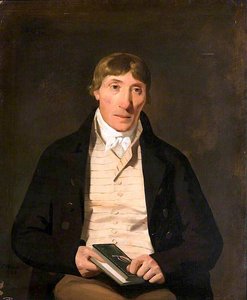
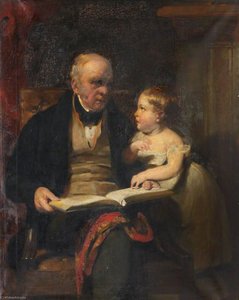
Portret Sir John Watson Gordon

100 najsłynniejszych obrazów artysty Sir John Watson Gordon – wybór z galerii

Aktualizacja: Listopad 2026 · ranking według naszego wskaźnika popularności (liczba wyszukiwań, wizyt i zamówień dla każdego dzieła) · 202 dzieł Sir John Watson Gordon w naszym katalogu

W skrócie

Spośród wszystkich dzieł oryginalnych, które pozostawił Sir John Watson Gordon, najsłynniejszym jest Sir Walter Scott, 1771 - 1832. Novelist and poet (1830), znajdujący się w kolekcji Scottish National Portrait Gallery w Edynburg. Tuż za nimi znajdują się Mr Kippen (1810) oraz Roderick Gray (1788 - 1858) (1854). Nasz katalog zawiera 202 dzieł autorstwa Sir John Watson Gordon; galeria zachowała 100 najbardziej podziwianych na świecie prac, z których każda została przedstawiona wraz z datą powstania, informacją o muzeum oraz jej historią.

1788 – 1864, Edynburg Najwięcej dzieł: Scottish National Portrait Gallery

10 najlepszych obrazów artysty Sir John Watson Gordon: wybór galerii

1
Sir Walter Scott, 1771 - 1832. Novelist and poet (1830) autorstwa Sir John Watson Gordon

Sir Walter Scott, 1771 - 1832. Novelist and poet

1830 · Oil On Canvas · Scottish National Portrait Gallery, Edynburg

The oil on canvas work titled Sir Walter Scott, 1771 - 1832. Novelist and poet was executed by the artist John Watson Gordon in 1830. This portrait depicts the subject, Sir Walter Scott, who was a novelist and poet. The painting was commissioned by Robert Cadell for the 'Magnum Opus' edition of the Waverley Novels, which was produced between 1829 and 1833.

2
Mr Kippen (1810) autorstwa Sir John Watson Gordon

Mr Kippen

1810 · Oil On Canvas · Scottish National Gallery, Edynburg

To stand before Mr Kippen is to step directly into the refined drawing rooms of early nineteenth-century Britain. Painted in 1810 by Sir John Watson Gordon, this portrait transcends a mere likeness; it is a carefully constructed document of status, intellect, and quiet assurance. The gentleman depicted sits with an air of composed gravity, his presence commanding yet utterly natural. Gordon masterfully captures the essence of the era’s gentry—a class…

3
Roderick Gray (1788 - 1858) (1854) autorstwa Sir John Watson Gordon

Roderick Gray (1788 - 1858)

1854 · Oil On Canvas · Scottish National Gallery, Edynburg

A formal mid-19th-century oil portrait, this work presents an elderly man in a three-quarter length composition. The subject is positioned slightly off-center, lending a sense of physical weight to his presence. Dark browns, blacks, and deep umbers dominate the palette, creating a monochromatic environment that allows the warm flesh tones of the face and hands to emerge from the shadows. Directional lighting from the upper left casts much of the…

4
The Prince of Wales (King Edward VII) (1860) autorstwa Sir John Watson Gordon

The Prince of Wales (King Edward VII)

1860 · Oil On Canvas · Smithsonian American Art Museum, Waszyngton

A young man sits in the quiet gravity of 1860. He is draped in a military tunic of saturated red, a color that pulls the eye away from the surrounding gloom. A blue sash cuts a sharp, diagonal path across his chest, slicing through the warmth of the fabric. Light falls heavily upon his face and the gold embroidery of his collar, leaving the edges of his figure to dissolve…

5
Anne Sherriff (1866–1781) (later Mrs Charles Young) (1835) autorstwa Sir John Watson Gordon

Anne Sherriff (1866–1781) (later Mrs Charles Young)

1835 · Oil

The portrait depicts a woman seated in a controlled environment. She wears a dark, black dress that absorbs much of the light, contrasted by a white hat positioned upon her head. In her hands, she holds a single piece of paper, her fingers positioned to grip its edges. The background is composed of heavy red curtains that hang in vertical folds, providing a deep color field behind the subject. The…

6
An English gentleman (1850) autorstwa Sir John Watson Gordon

An English gentleman

1850 · Oil On Canvas · Museo del Prado, Madryt

In "An English gentleman" by John Watson Gordon, the viewer meets a figure captured in a three-quarter length portrait. The subject sits slightly off-center, his body angled in a way that suggests a moment of quiet pause. He gazes toward the right of the frame, his eyes directed away from the viewer toward an unseen point in the distance. This eye-level perspective creates an intimate connection, as if one is…

7
William Ramsay; (1806-1865) (1800) autorstwa Sir John Watson Gordon

William Ramsay; (1806-1865)

1800 · Oil On Canvas · The Hunterian Museum and Art Gallery, Glasgow

The portrait captures a moment of intellectual repose. There is a sense of the man's inner life held within the tension of his gaze and the stillness of his posture. The shadows do not hide him; they define the contours of his character. He exists in a space of quiet contemplation, where the weight of the book and the darkness of the room suggest a life dedicated to the mind.…

8
Mrs Campbell (1819) autorstwa Sir John Watson Gordon

Mrs Campbell

1819 · Oil On Canvas · City Art Centre, Edinburgh

The oil on canvas painting titled Mrs Campbell was executed by the artist John Watson Gordon. This portrait, which dates to 1819, depicts a seated woman presented in a formal manner. The subject is shown from the upper body and shoulders, positioned against a dark, indistinct drapery that provides a subtle contrast to her attire.

9
Sir William Molesworth, 8th Bt (1854) autorstwa Sir John Watson Gordon

Sir William Molesworth, 8th Bt

1854 · Oil On Canvas · National Portrait Gallery, Londyn

In the quiet, commanding presence of Sir William Molesworth, 8th Bt, we encounter more than just a likeness; we enter the structured, dignified world of the mid-19th century. Painted in 1854 by the esteemed Scottish master Sir John Watson Gordon, this portrait serves as a profound window into an era defined by social hierarchy and the meticulous cultivation of character. The subject sits with a poised, centered gravity, his form…

10
Fox Maule (1801–1874), 11th Earl of Dalhousie, 2nd Baron Panmure, Parliamentarian (1821) autorstwa Sir John Watson Gordon

Fox Maule (1801–1874), 11th Earl of Dalhousie, 2nd Baron Panmure, Parliamentarian

1821 · Oil On Canvas · Scottish National Portrait Gallery, Edynburg

The portrait presents a man of significant social standing, captured in a moment of formal composure. He is rendered in a traditional oil style, his figure centered against a dark, indistinct background that directs all attention to the subject's face and upper body. The lighting is directional, descending from the upper left to define the contours of his features and the heavy folds of his attire. His expression is one…

Kontynuacja zestawienia Sir John Watson Gordon, od 11 do 100

11Sir Walter Scott, 1771 - 1832. Novelist and poet (1830) autorstwa Sir John Watson GordonSir Walter Scott, 1771 - 1832. Novelist and poet1830 · Scottish National Portrait Gallery 12Elizabeth Galloway (or Grieve), of Sandyhills (1829) autorstwa Sir John Watson GordonElizabeth Galloway (or Grieve), of Sandyhills1829 13John Wilson (1829) autorstwa Sir John Watson GordonJohn Wilson1829 · National Portrait Gallery 14Henry Stephens, Agricultural Writer (1835) autorstwa Sir John Watson GordonHenry Stephens, Agricultural Writer1835 15Admiral Sir Peter Halkett of Pitferrane (1765–1839) (1837) autorstwa Sir John Watson GordonAdmiral Sir Peter Halkett of Pitferrane (1765–1839)1837 16Samuel Smith (1805–1873), Mayor of Bradford (1851–1854) (1854) autorstwa Sir John Watson GordonSamuel Smith (1805–1873), Mayor of Bradford (1851–1854)1854 17Sir William Fergusson (1808–1877), Surgeon (1850) autorstwa Sir John Watson GordonSir William Fergusson (1808–1877), Surgeon1850 · Scottish National Portrait Gallery 18David Macbeth Moir (1798–1851), Physician and Author (1850) autorstwa Sir John Watson GordonDavid Macbeth Moir (1798–1851), Physician and Author1850 · Scottish National Portrait Gallery 19Thomas Babington (1800–1859), 1st Baron Macaulay, Historian and Statesman (1850) autorstwa Sir John Watson GordonThomas Babington (1800–1859), 1st Baron Macaulay, Historian and Statesman1850 · Scottish National Portrait Gallery 20Roderick Gray (1788–1858) (1853) autorstwa Sir John Watson GordonRoderick Gray (1788–1858)1853 · The Merchant's Hall 21John Cruickshank, LLD (1861) autorstwa Sir John Watson GordonJohn Cruickshank, LLD1861 · University of Aberdeen 22James Frederick Ferrier (1863) autorstwa Sir John Watson GordonJames Frederick Ferrier1863 · University of St Andrews 23Mrs George Baird of Strichen (1862) autorstwa Sir John Watson GordonMrs George Baird of Strichen1862 24James David Forbes, FRSE (1861) autorstwa Sir John Watson GordonJames David Forbes, FRSE1861 · The Royal Society of Edinburgh 25Henry Philpott, Master (1859) autorstwa Sir John Watson GordonHenry Philpott, Master1859 · Muzea Uniwersytetu Cambridge 26Sir William Brown (1784–1864) (1857) autorstwa Sir John Watson GordonSir William Brown (1784–1864)1857 · Walker Art Gallery 27Henry Stephens (1795–1874), Agricultural Writer (1860) autorstwa Sir John Watson GordonHenry Stephens (1795–1874), Agricultural Writer1860 · Scottish National Portrait Gallery 28Hon. James Wilson (1858) autorstwa Sir John Watson GordonHon. James Wilson1858 · National Portrait Gallery 29The Honourable Mrs Alexander Macalister (1843) autorstwa Sir John Watson GordonThe Honourable Mrs Alexander Macalister1843 30Thomas de Quincey, 1785 - 1859. Author and essayist (1846) autorstwa Sir John Watson GordonThomas de Quincey, 1785 - 1859. Author and essayist1846 · Scottish National Portrait Gallery 31Henry Pelham Fiennes Pelham Clinton (1811–1864), 5th Duke of Newcastle under Lyne (1855) autorstwa Sir John Watson GordonHenry Pelham Fiennes Pelham Clinton (1811–1864), 5th Duke of Newcastle under Lyne1855 · The University of Nottingham 32John Inglis (1854) autorstwa Sir John Watson GordonJohn Inglis1854 · University of Edinburgh Fine Art Collection 33Sir William Allan (1782–1850) (1844) autorstwa Sir John Watson GordonSir William Allan (1782–1850)1844 34John Conolly, M.D. (1794-1866) autorstwa Sir John Watson GordonJohn Conolly, M.D. (1794-1866)Auckland Art Gallery Toi o Tāmaki 35William Wood (1783–1858), FRCSEd (1805), PRCSEd (1822–1824), (1828–1830) autorstwa Sir John Watson GordonWilliam Wood (1783–1858), FRCSEd (1805), PRCSEd (1822–1824), (1828–1830)The Royal College of Surgeons of Edinburgh 36Dr James Hamilton autorstwa Sir John Watson GordonDr James HamiltonNhs Lothian 37The Flood Gate (1901) autorstwa Sir John Watson GordonThe Flood Gate1901 · Narodowa Galeria Kanady 38Portrait of John Sanderson (1814) autorstwa Sir John Watson GordonPortrait of John Sanderson1814 · Narodowa Galeria Kanady 39Mr Kippen (1810) autorstwa Sir John Watson GordonMr Kippen1810 · Scottish National Gallery 40John Hunter autorstwa Sir John Watson GordonJohn HunterUniversity of St Andrews 41The Laird of Cockpen and Mistress Jean autorstwa Sir John Watson GordonThe Laird of Cockpen and Mistress JeanMcmanus: Dundee's Art Galleries And Museums 42Reverend William Bagshaw (1763–1847), of Ford Hall (1815) autorstwa Sir John Watson GordonReverend William Bagshaw (1763–1847), of Ford Hall1815 · Buxton Museum - Art Gallery 43Carolina Oliphant (1766–1845), Lady Nairne, Songwriter (1818) autorstwa Sir John Watson GordonCarolina Oliphant (1766–1845), Lady Nairne, Songwriter1818 · Scottish National Portrait Gallery 44A Grandfather's Lesson (1831) autorstwa Sir John Watson GordonA Grandfather's Lesson1831 45James Hogg, Poet The Ettrick Shepherd (1830) autorstwa Sir John Watson GordonJames Hogg, Poet The Ettrick Shepherd1830 46Henry Scott, 3rd Duke of Buccleuch and 5th Duke of Queensberry, FRSE (1830) autorstwa Sir John Watson GordonHenry Scott, 3rd Duke of Buccleuch and 5th Duke of Queensberry, FRSE1830 · The Royal Society of Edinburgh 47John Hope, 4th Earl of Hopetoun (1824) autorstwa Sir John Watson GordonJohn Hope, 4th Earl of Hopetoun1824 48Alexander Dunlop of Keppoch (1766–1840) (1825) autorstwa Sir John Watson GordonAlexander Dunlop of Keppoch (1766–1840)1825 49Thomas Allan (1777–1833) (1824) autorstwa Sir John Watson GordonThomas Allan (1777–1833)1824 50Professor John Wilson (1785–1854), Author and Moral Philosopher (Nom de Plume Christopher North) (1829) autorstwa Sir John Watson GordonProfessor John Wilson (1785–1854), Author and Moral Philosopher (Nom de Plume Christopher North)1829 · Scottish National Portrait Gallery 51Sir Walter Scott (1771–1832), Novelist and Poet (1830) autorstwa Sir John Watson GordonSir Walter Scott (1771–1832), Novelist and Poet1830 · Scottish National Portrait Gallery 52A Grandfather's Lesson (1831) autorstwa Sir John Watson GordonA Grandfather's Lesson1831 · Royal Scottish Academy of Art - Architecture 53Return from a Foray (1827) autorstwa Sir John Watson GordonReturn from a Foray1827 · Scottish National Gallery 54Peter Spalding (c.1758–1826) (1826) autorstwa Sir John Watson GordonPeter Spalding (c.1758–1826)1826 · Scottish National Gallery 55John Hope (1765–1823), 4th Earl of Hopetoun (1824) autorstwa Sir John Watson GordonJohn Hope (1765–1823), 4th Earl of Hopetoun1824 · Abbotsford House 56Henry Scott (1746–1812), 3rd Duke of Buccleuch and 5th Duke of Queensberry, FRSE (after Thomas Frank Heaphy) (1830) autorstwa Sir John Watson GordonHenry Scott (1746–1812), 3rd Duke of Buccleuch and 5th Duke of Queensberry, FRSE (after Thomas Frank Heaphy)1830 · The Royal Society of Edinburgh 57Sir Daniel Keyte Sandford (1798–1838), Professor of Greek at the University of Glasgow (1821–1838) (1837) autorstwa Sir John Watson GordonSir Daniel Keyte Sandford (1798–1838), Professor of Greek at the University of Glasgow (1821–1838)1837 · The Hunterian Museum and Art Gallery 58Major General Sir Patrick Lindsay, Soldier (1835) autorstwa Sir John Watson GordonMajor General Sir Patrick Lindsay, Soldier1835 59Mrs Keith of Usan House, Montrose (1834) autorstwa Sir John Watson GordonMrs Keith of Usan House, Montrose1834 60David Cox (1783–1859), Landscape Painter (1835) autorstwa Sir John Watson GordonDavid Cox (1783–1859), Landscape Painter1835 · Scottish National Portrait Gallery 61The Honourable Sir Alexander Hope (1835) autorstwa Sir John Watson GordonThe Honourable Sir Alexander Hope1835 · West Lothian Council 62Reverend Thomas Chalmers (1780–1847), Preacher and Social Reformer (1838) autorstwa Sir John Watson GordonReverend Thomas Chalmers (1780–1847), Preacher and Social Reformer1838 · Scottish National Portrait Gallery 63Anne Grant of Laggan (1755–1838) (1837) autorstwa Sir John Watson GordonAnne Grant of Laggan (1755–1838)1837 64Sir Arthur Farquhar (1772–1843), Rear Admiral (1837) autorstwa Sir John Watson GordonSir Arthur Farquhar (1772–1843), Rear Admiral1837 · Scottish National Portrait Gallery 65Major General Sir Patrick Lindsay (1778–1839), Soldier (1835) autorstwa Sir John Watson GordonMajor General Sir Patrick Lindsay (1778–1839), Soldier1835 · Scottish National Portrait Gallery 66Robert Haldane (1772–1854) (1841) autorstwa Sir John Watson GordonRobert Haldane (1772–1854)1841 67Sir Hugh Lyon Playfair (1847) autorstwa Sir John Watson GordonSir Hugh Lyon Playfair1847 68Reverend Alexander Brunton (1772–1854) (1846) autorstwa Sir John Watson GordonReverend Alexander Brunton (1772–1854)1846 69George Thomson (1759–1851) (1842) autorstwa Sir John Watson GordonGeorge Thomson (1759–1851)1842 70Adam Black (1784–1874), Lord Provost of Edinburgh (1843–1848) (1847) autorstwa Sir John Watson GordonAdam Black (1784–1874), Lord Provost of Edinburgh (1843–1848)1847 71The Honourable Mrs Alexander Macalister (1843) autorstwa Sir John Watson GordonThe Honourable Mrs Alexander Macalister1843 72Patrick Fraser Tytler (1791–1849), Historian (1840) autorstwa Sir John Watson GordonPatrick Fraser Tytler (1791–1849), Historian1840 · Scottish National Portrait Gallery 73Reverend William Cunningham (1805–1861), Theologian (1844) autorstwa Sir John Watson GordonReverend William Cunningham (1805–1861), Theologian1844 · Scottish National Portrait Gallery 74Portrait of a Lady (1840) autorstwa Sir John Watson GordonPortrait of a Lady1840 · Scottish National Gallery 75Sir Thomas Makdougall Brisbane (1773–1860), Bt, FRSE (1848) autorstwa Sir John Watson GordonSir Thomas Makdougall Brisbane (1773–1860), Bt, FRSE1848 · The Royal Society of Edinburgh 76Thomas de Quincey (1785–1859), Author and Essayist (1846) autorstwa Sir John Watson GordonThomas de Quincey (1785–1859), Author and Essayist1846 · Scottish National Portrait Gallery 77Thomas de Quincey (1845) autorstwa Sir John Watson GordonThomas de Quincey1845 · National Portrait Gallery 78James Andrew Broun Ramsay, 1st Marquess of Dalhousie (1847) autorstwa Sir John Watson GordonJames Andrew Broun Ramsay, 1st Marquess of Dalhousie1847 · National Portrait Gallery 79Very Reverend Edward Bannerman Ramsay (1793–1872), Dean of Edinburgh (1841) autorstwa Sir John Watson GordonVery Reverend Edward Bannerman Ramsay (1793–1872), Dean of Edinburgh1841 · Scottish National Portrait Gallery 80David Cox (1783–1859) (1855) autorstwa Sir John Watson GordonDavid Cox (1783–1859)1855 · Birmingham Museum and Art Gallery 81John Inglis (1810–1891) (1854) autorstwa Sir John Watson GordonJohn Inglis (1810–1891)1854 82Thomas Babington (1800–1859), Lord Macaulay (1849) autorstwa Sir John Watson GordonThomas Babington (1800–1859), Lord Macaulay1849 · The Hunterian Museum and Art Gallery 83George (1784–1860), 4th Earl of Aberdeen (1851) autorstwa Sir John Watson GordonGeorge (1784–1860), 4th Earl of Aberdeen1851 84William Foreman Home (1851) autorstwa Sir John Watson GordonWilliam Foreman Home1851 85Andrew Rutherfurd (1791–1854), Lord Rutherfurd, Judge (1851) autorstwa Sir John Watson GordonAndrew Rutherfurd (1791–1854), Lord Rutherfurd, Judge1851 · Scottish National Portrait Gallery 86John Smith, Master of Trinity House (1850) autorstwa Sir John Watson GordonJohn Smith, Master of Trinity House1850 · Historic Scotland 87Sir William Gibson Craig (1797–1878), Lord Clerk Register (1852) autorstwa Sir John Watson GordonSir William Gibson Craig (1797–1878), Lord Clerk Register1852 · Scottish National Portrait Gallery 88Charlotte Elizabeth, Wife of Sir John Forbes, 7th Bt of Craigievar, Daughter of the 18th Lord Forbes (1850) autorstwa Sir John Watson GordonCharlotte Elizabeth, Wife of Sir John Forbes, 7th Bt of Craigievar, Daughter of the 18th Lord Forbes1850 · The National Trust For Scotland 89David Boyle (1772–1853), Lord Boyle, Lord President of the Court of Session (1852) autorstwa Sir John Watson GordonDavid Boyle (1772–1853), Lord Boyle, Lord President of the Court of Session1852 · Scottish National Portrait Gallery 90Professor John Wilson (1785–1854), Author and Moral Philosopher (Nom de Plume Christopher North) (1852) autorstwa Sir John Watson GordonProfessor John Wilson (1785–1854), Author and Moral Philosopher (Nom de Plume Christopher North)1852 · Scottish National Portrait Gallery 91Auld Lang Syne (1851) autorstwa Sir John Watson GordonAuld Lang Syne1851 92Mrs George Baird of Strichen (1862) autorstwa Sir John Watson GordonMrs George Baird of Strichen1862 93James Abercromby, 1st Baron Dunfermline, Speaker of the House of Commons (1859) autorstwa Sir John Watson GordonJames Abercromby, 1st Baron Dunfermline, Speaker of the House of Commons1859 94Albert Edward (1841–1910), Prince of Wales (later Edward VII) (1861) autorstwa Sir John Watson GordonAlbert Edward (1841–1910), Prince of Wales (later Edward VII)1861 · Examination Schools 95Hon. James Wilson (1858) autorstwa Sir John Watson GordonHon. James Wilson1858 96James Andrew Ramsay (1812–1860), 10th Earl and 1st Marquess of Dalhousie, Governor General of India (1859) autorstwa Sir John Watson GordonJames Andrew Ramsay (1812–1860), 10th Earl and 1st Marquess of Dalhousie, Governor General of India1859 · Scottish National Portrait Gallery 97HRH Edward, Prince of Wales (1859) autorstwa Sir John Watson GordonHRH Edward, Prince of Wales1859 · University of Edinburgh Fine Art Collection 98Sir John Archibald Murray (1779–1859), Lord Murray, Judge (1856) autorstwa Sir John Watson GordonSir John Archibald Murray (1779–1859), Lord Murray, Judge1856 · Scottish National Portrait Gallery 99James David Forbes (1809–1868), FRSE (1861) autorstwa Sir John Watson GordonJames David Forbes (1809–1868), FRSE1861 · The Royal Society of Edinburgh 100The Right Honourable Sir William Gibson Craig (1797–1878), 2nd Bt of Riccarton (1863) autorstwa Sir John Watson GordonThe Right Honourable Sir William Gibson Craig (1797–1878), 2nd Bt of Riccarton1863 · Heriot-watt University

Słynne obrazy Sir John Watson Gordon epoka po epoce

Tematy, które przyciągnęły wzrok Sir John Watson Gordon

Cztery motywy najczęściej powracające w tych oryginałach, z których każdy doczekał się swojego najdoskonalszego przykładu.

Muzea przechowujące oryginały Sir John Watson Gordon

8 muzeów, w których znajduje się najwięcej obrazów z tej strony.

Muzea Miasto Dzieła artysty Sir John Watson Gordon Obrazy z tej listy
Scottish National Portrait Gallery, EdynburgScottish National Portrait Gallery Edynburg 31 Sir Walter Scott, 1771 - 1832. Novelist and poet, Fox Maule (1801–1874), 11th Earl of Dalhousie, 2nd Baron Panmure, Parliamentarian, Sir Walter Scott, 1771 - 1832. Novelist and poet
Scottish National Gallery, EdynburgScottish National Gallery Edynburg 6 Mr Kippen, Roderick Gray (1788 - 1858), Mr Kippen
National Portrait Gallery, LondynNational Portrait Gallery Londyn 6 Sir William Molesworth, 8th Bt, John Wilson, Hon. James Wilson
The Royal Society of Edinburgh, EdinburghThe Royal Society of Edinburgh Edinburgh 6 James David Forbes, FRSE, Henry Scott, 3rd Duke of Buccleuch and 5th Duke of Queensberry, FRSE, Henry Scott (1746–1812), 3rd Duke of Buccleuch and 5th Duke of Queensberry, FRSE (after Thomas Frank Heaphy)
The Hunterian Museum and Art Gallery, GlasgowThe Hunterian Museum and Art Gallery Glasgow 3 William Ramsay; (1806-1865), Sir Daniel Keyte Sandford (1798–1838), Professor of Greek at the University of Glasgow (1821–1838), Thomas Babington (1800–1859), Lord Macaulay
University of Edinburgh Fine Art Collection, EdinburghUniversity of Edinburgh Fine Art Collection Edinburgh 4 John Inglis, HRH Edward, Prince of Wales
University of St Andrews, St AndrewsUniversity of St Andrews St Andrews 3 James Frederick Ferrier, John Hunter
Narodowa Galeria Kanady, OttawaNarodowa Galeria Kanady Ottawa 2 The Flood Gate, Portrait of John Sanderson

Sir John Watson Gordon dekada po dekadzie: oryginały definiujące każdy okres

Dzieła według dekad

Wybierz dekadę, aby zobaczyć dzieło, które ją definiuje.

Pytania kolekcjonerów o obrazy Sir John Watson Gordon

Z jakiego dzieła najbardziej znany jest Sir John Watson Gordon?Odkryj odpowiedź

Sir Walter Scott, 1771 - 1832. Novelist and poet (1830), Scottish National Portrait Gallery, Edynburg. Następne są Mr Kippen (1810) oraz Roderick Gray (1788 - 1858) (1854).

W jakim wieku był Sir John Watson Gordon, gdy powstało Sir Walter Scott, 1771 - 1832. Novelist and poet?Odkryj odpowiedź

42 lat: Sir Walter Scott, 1771 - 1832. Novelist and poet pochodzi z 1830, a Sir John Watson Gordon urodził(a) się w 1788.

Jakie są dziesięć najsłynniejszych obrazów, których autorem jest Sir John Watson Gordon?Odkryj odpowiedź

Sir Walter Scott, 1771 - 1832. Novelist and poet, Mr Kippen, Roderick Gray (1788 - 1858), The Prince of Wales (King Edward VII), Anne Sherriff (1866–1781) (later Mrs Charles Young), An English gentleman, William Ramsay; (1806-1865), Mrs Campbell, Sir William Molesworth, 8th Bt i Fox Maule (1801–1874), 11th Earl of Dalhousie, 2nd Baron Panmure, Parliamentarian. Powyższy ranking zawiera rok powstania oraz muzeum dla każdego z nich.

Ile obrazów pozostawił po sobie Sir John Watson Gordon?Odkryj odpowiedź

Nasz katalog zawiera 202 dzieł artysty Sir John Watson Gordon, datowanych od 1800 do 1863.

W których muzeach znajdują się arcydzieła Sir John Watson Gordon?Odkryj odpowiedź

W większości znajdują się w Scottish National Portrait Gallery (Edynburg), Scottish National Gallery (Edynburg) i National Portrait Gallery (Londyn). Powyższa tabela muzeów zawiera ich pełną listę.

W których latach Sir John Watson Gordon namalował swoje najsłynniejsze dzieła?Odkryj odpowiedź

W 1850s: 29 z 100 dzieł na tej stronie powstało w tym czasie, w tym Roderick Gray (1788 - 1858).

Jakie są pierwsze i ostatnie słynne oryginały Sir John Watson Gordon?Odkryj odpowiedź

Na tej stronie najwcześniejszy to William Ramsay; (1806-1865) (1800), a najpóźniejszy James Frederick Ferrier (1863).

Jakie tematy Sir John Watson Gordon wybierał najczęściej?Odkryj odpowiedź

Man (20), Portrait (14) i 19th century (9), w ramach 100 dzieł na tej stronie.

Której techniki Sir John Watson Gordon używał najczęściej?Odkryj odpowiedź

Oil On Canvas, dla 35 z 100 dzieł na tej stronie.

Które dzieła Sir John Watson Gordon znajdują się w Scottish National Portrait Gallery?Odkryj odpowiedź

Sir Walter Scott, 1771 - 1832. Novelist and poet, Fox Maule (1801–1874), 11th Earl of Dalhousie, 2nd Baron Panmure, Parliamentarian i Sir Walter Scott, 1771 - 1832. Novelist and poet: Scottish National Portrait Gallery, Edynburg posiada 25 dzieł widocznych na tej stronie.

Sir John Watson Gordon: życie i twórczość

Sir John Watson Gordon: Szkocki Mistrz Światła i Portretu

Sir John Watson Gordon (1788 – 1864) jawi się jako postać kluczowa dla przejścia od neoklasycystycznego portretu ku nastrojowemu tonalizmowi, który zdefiniował znaczną część brytyjskiej sztuki XIX wieku. Urodzony w rodzinie głęboko zakorzenionej w tradycji artystycznej – jego ojciec, kapitan James Watson, był biegłym rysownikiem, a wuj, George Watson, szanowanym portrecistą – Gordon nie miał drogi do sławy z góry przesądzonej. Jego los stał się owocem świadomego wyboru i pasji do odkrywania rozkwitającego świata malarstwa. Choć początkowo szkolony pod kątem kariery wojskowej, ostatecznie dostrzegł i podążył za swoim prawdziwym powołaniem: chęcią uchwycenia istoty ludzkiego charakteru oraz subtelnego piękna szkockiego krajobrazu poprzez pędzel.

Wczesny rozwój artystyczny Gordona został głęboko ukształtowany przez praktykę pod okiem Johna Grahama w Trustees' Academy w Edynburgu. Ten formacyjny okres zaszczepił w nim fundamentalne zrozumienie techniki, ale co ważniejsze, otworzył go na rodzące się zainteresowanie publiczności wystawami sztuki – zjawiskiem stosunkowo nowym w tamtych czasach. Jego pierwsza znacząca ekspozycja w 1808 roku, przedstawiająca scenę z epickiego poematu Sir Waltera Scotta „The Lay of the Last Minstrel”, stanowiła jego debiut na edynburskiej scenie artystycznej i dowiodła wczesnego talentu do oddawania narracji oraz emocji za pomocą środków wizualnych. Po tym sukcesie kontynuował eksperymenty z tematami historycznymi i religijnymi, doskonaląc warsztat i wypracowując własny, niezwykle delikatny i swobodny styl operowania pędzlem.

Ewolucja Stylu: Od Neoklasycyzmu do Tonalizmu

Najbardziej charakterystyczną cechą artystycznej podróży Gordona była stopniowa odwrót od formalnych ograniczeń neoklasycystycznego portretu na rzecz bardziej ekspresyjnych i nastrojowych jakości tonalizmu. Początkowo jego portrety trzymały się ustalonych konwencji – ostrych linii, starannie oddanych detali i skupienia na wiernym odwzorowaniu podobieństwa. Jednak wraz z dojrzałością artystyczną zaczął on przedkładać nastrój i atmosferę nad ścisły realizm. Ta transformacja jest szczególnie widoczna w jego późniejszych dziełach, gdzie karnacja staje się łagodniejsza, tła coraz bardziej przygaszone, a ogólny efekt buduje aurę cichej kontemplacji i emocjonalnego rezonansu.

Ta ewolucja stylistyczna nie była jedynie kwestią techniki; odzwierciedlała ona głębsze zaangażowanie w zmieniający się krajobraz artystyczny. Pod wpływem takich twórców jak John Constable czy J.M.W. Turner, Gordon dążył do uchwycenia nie tylko zewnętrznego wyglądu swoich modeli, ale także ich wewnętrznego życia – charakteru, temperamentu i relacji ze otaczającym światem. Jego portrety Sir Waltera Scotta są przesycone intelektualną głębią i romantycznym duchem poety, podczas gdy wizerunki postaci takich jak profesor John Wilson czy dr Chalmers niosą ze sobą podobny poziom psychologicznej przenikliwości.

Ikoniczne Postacie i Nieprzemijające Dziedzictwo

Pracownia Gordona stała się magnesem dla najważniejszych postaci Szkocji – co stanowi najlepszy dowód jego reputacji jako biegłego portrecisty i gościnnego gospodarza. Wśród najbardziej znamienitych modeli znaleźli się m.in. Sir Walter Scott, którego wczesne portrety położyły fundament pod unikalny styl artysty; JG Lockhart, profesor Wilson, Sir Archibald Alison, dr Chalmers, De Quincey oraz Sir David Brewster. Jego zdolność do uchwycenia esencji tych jednostek – ich intelektu, charakteru i miejsca w szkockim społeczeństwie – ugruntowała jego pozycję jako jednego z najbardziej pożądanych malarzy portretowych swoich czasów.

Portrety malowane w latach 1835–1864 stanowią kulminację rozwoju artystycznego Gordona. Dzieła te charakteryzują się niezwykłą subtelnością barw, mistrzowskim operowaniem światłocieniem oraz niespotykaną wrażliwością na psychologiczne niuanse postaci. Jego późny styl, cechujący się prostotą i surowością, jest szczególnie godny uwagi – odcienie skóry stają się niemal perłowe, tła rozmywają się w szarościach, a uwaga widza zostaje całkowicie skupiona na twarzy, która ukazuje wewnętrzny świat modela z niezwykłą klarownością. Portrety Sir Johna G. Shaw-Lefevre oraz Rodericka Graya są doskonałymi przykładami tego późnego okresu, za który artysta otrzymał medal pierwszej klasy na Salonie Paryskim w 1mu 1855 roku.

Szkocki Głos w Royal Academy

Osiągnięcia artystyczne Gordona zostały docenione przez Royal Academy, która w 1841 roku przyjęła go w poczet asocjatów, a w 1851 roku mianowała pełnoprawnym akademikiem. Jego nominacja na stanowisko H.M. Limner dla Szkocji w 1850 roku jeszcze bardziej podniosła jego status w świecie sztuki, pieczętując rolę oficjalnego malarza portretowego narodu. Jego dziedzictwo wykracza poza pojedyncze płótna; odegrał on istotną rolę w stymulowaniu rozwoju sztuki w Szkocji i przyczynił się do powstania Royal Scottish Academy. Sir John Watson Gordon zmarł w Edynburgu w 1864 roku, pozostawiając po sobie niezwykły dorobek, który nieustannie zachwyca widzów swoim pięknem, wrażliwością i głębokim zrozumieniem ludzkiej duszy.